THE HUMANOID, AT WORK.
ROLE CREATIVE DIRECTOR
CREATED WITH STUDY HALL
Three films, one design language: how Agility Robotics builds humanoids people can work alongside. From the AI that lets them act, to the security that earns trust, to the safety that lets them share a floor with people, every frame is tied together by a visual system built from Digit’s own eyes.
SECURITY
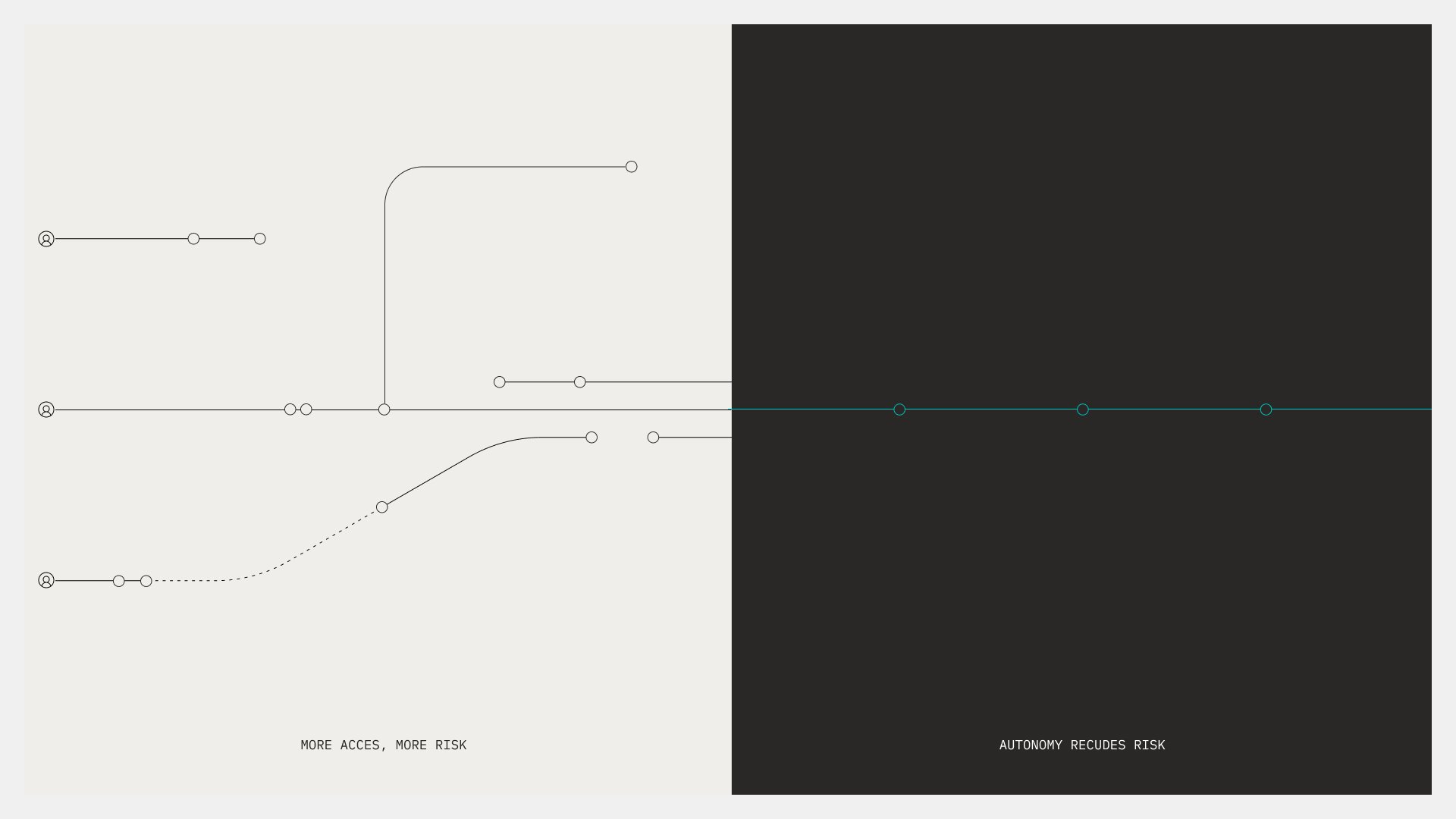
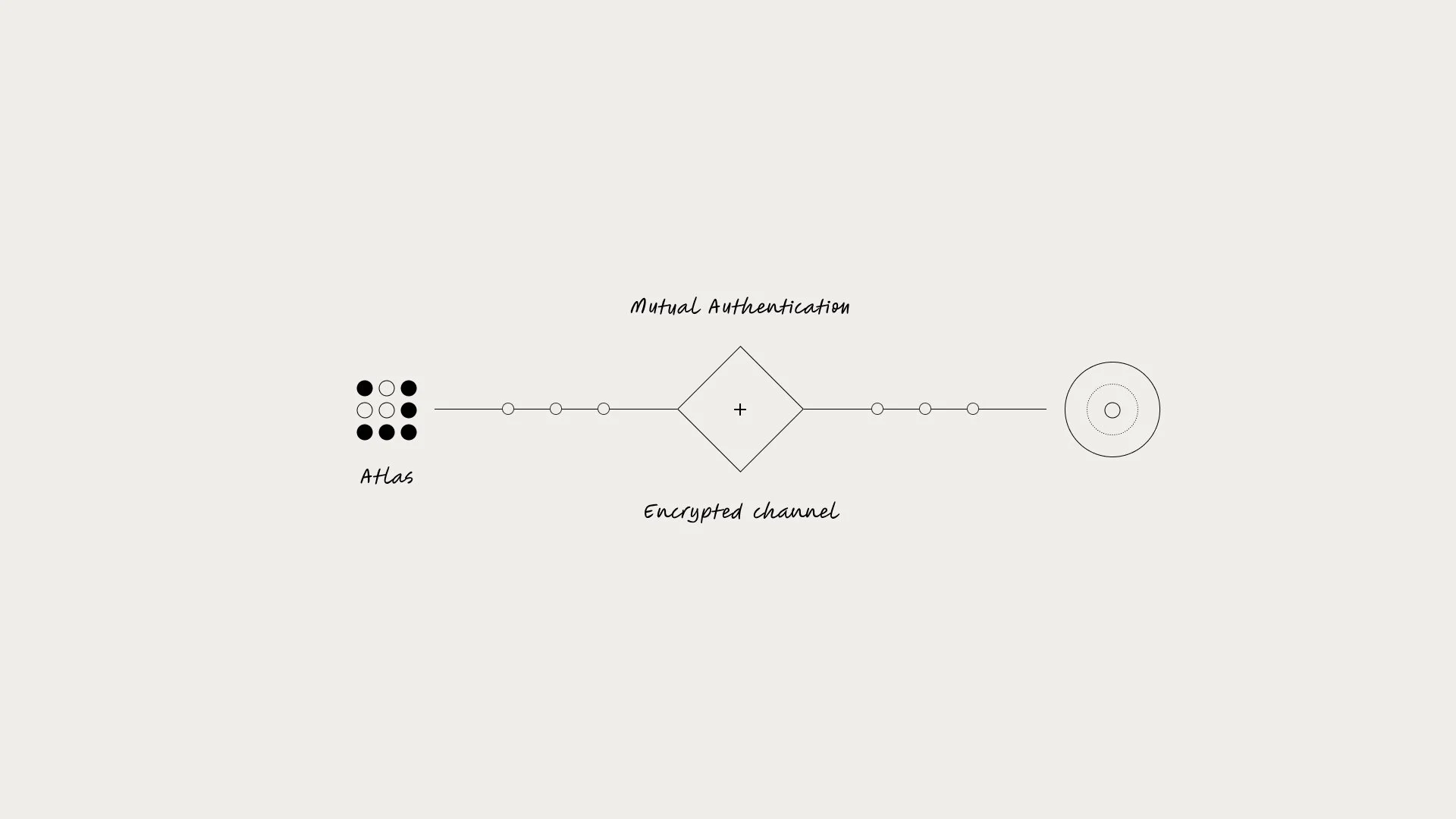
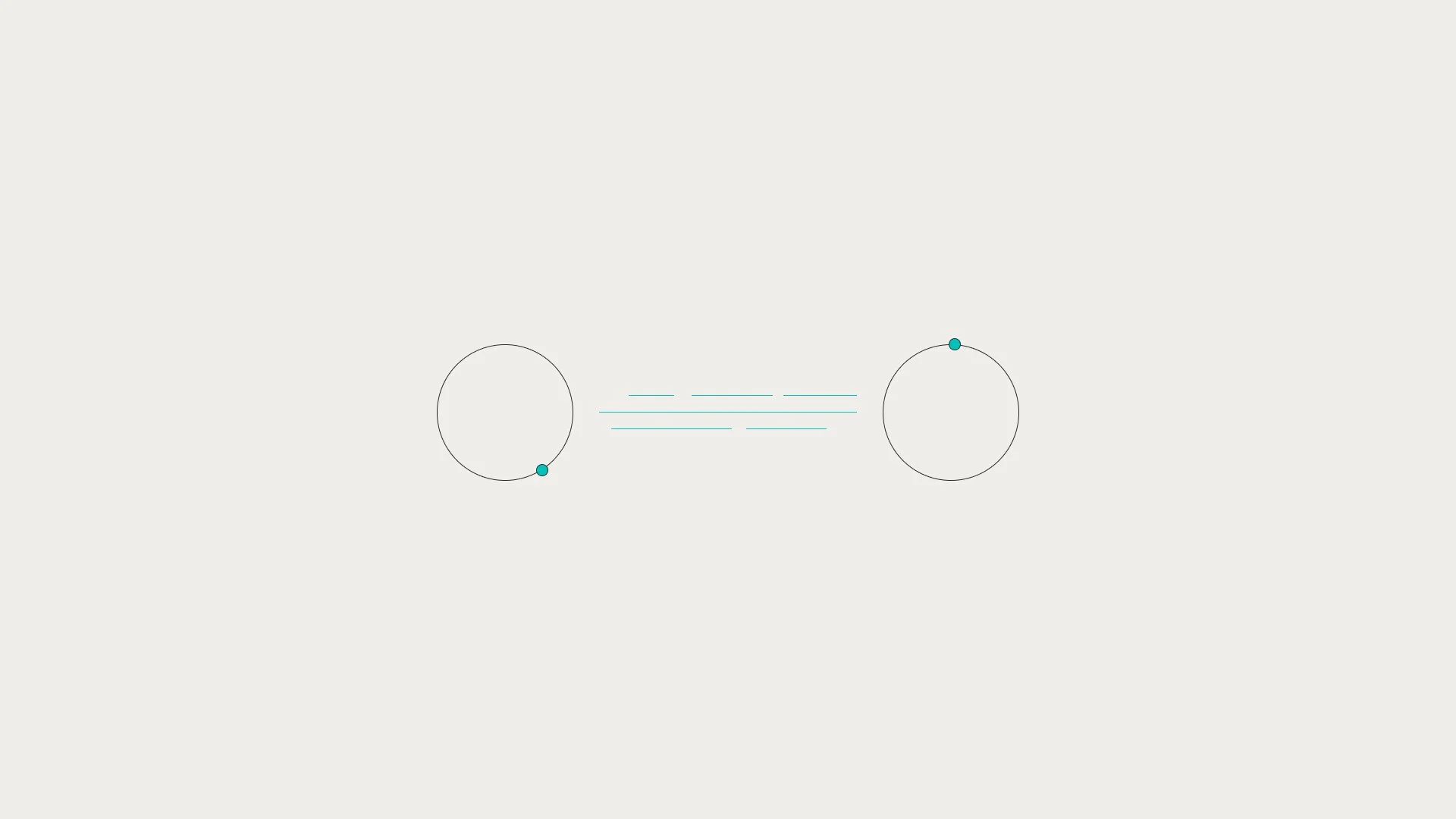
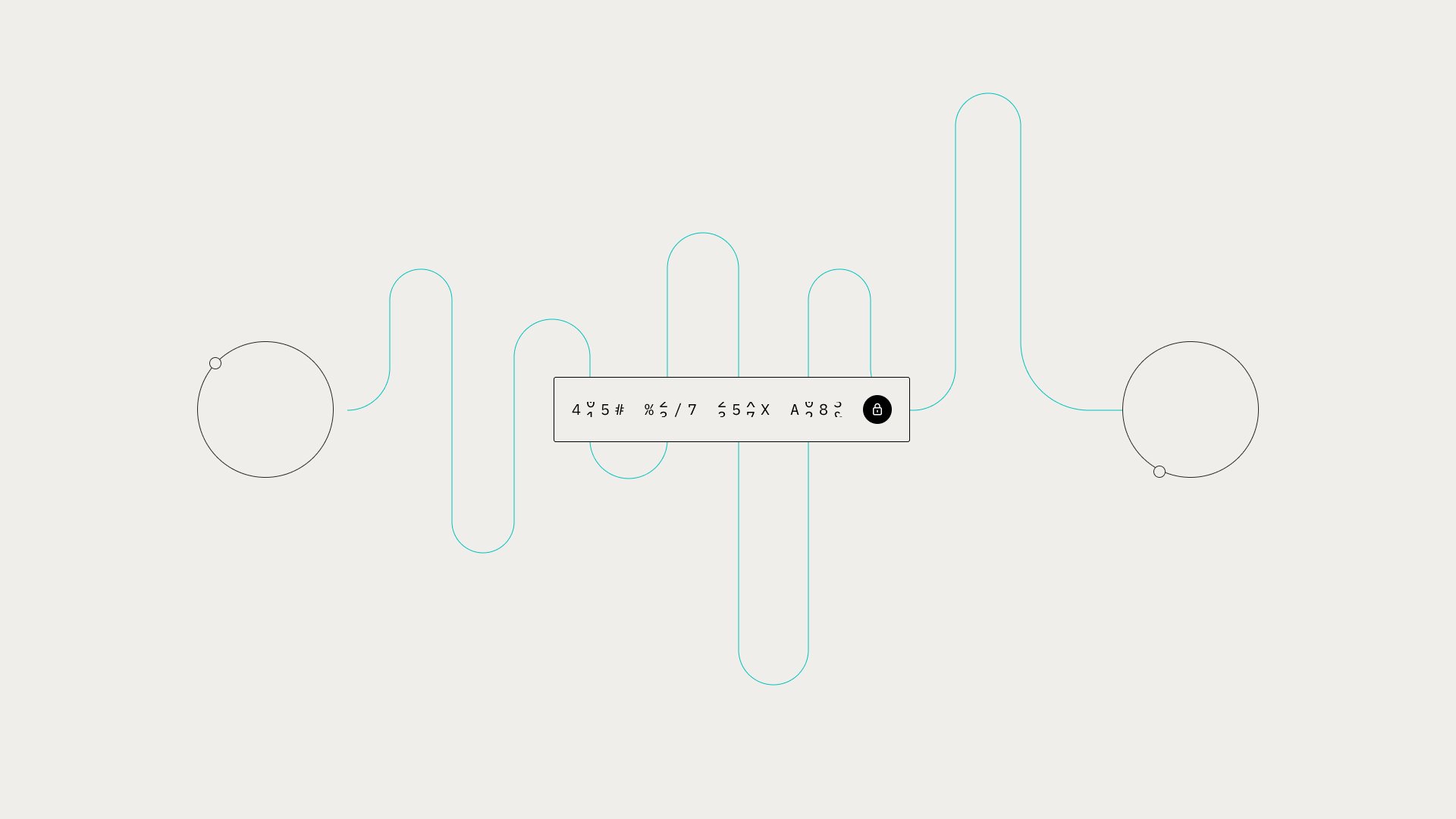
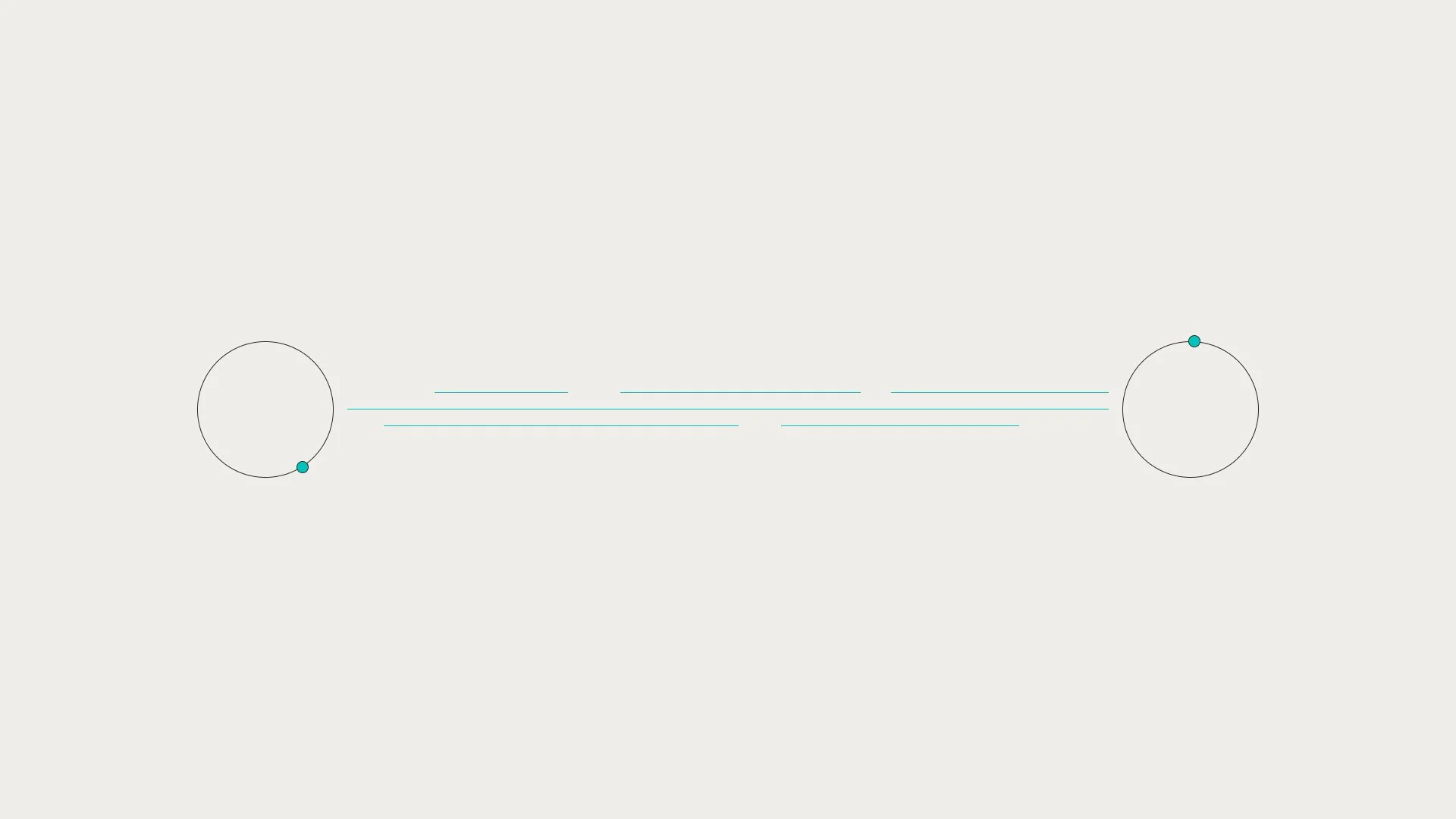
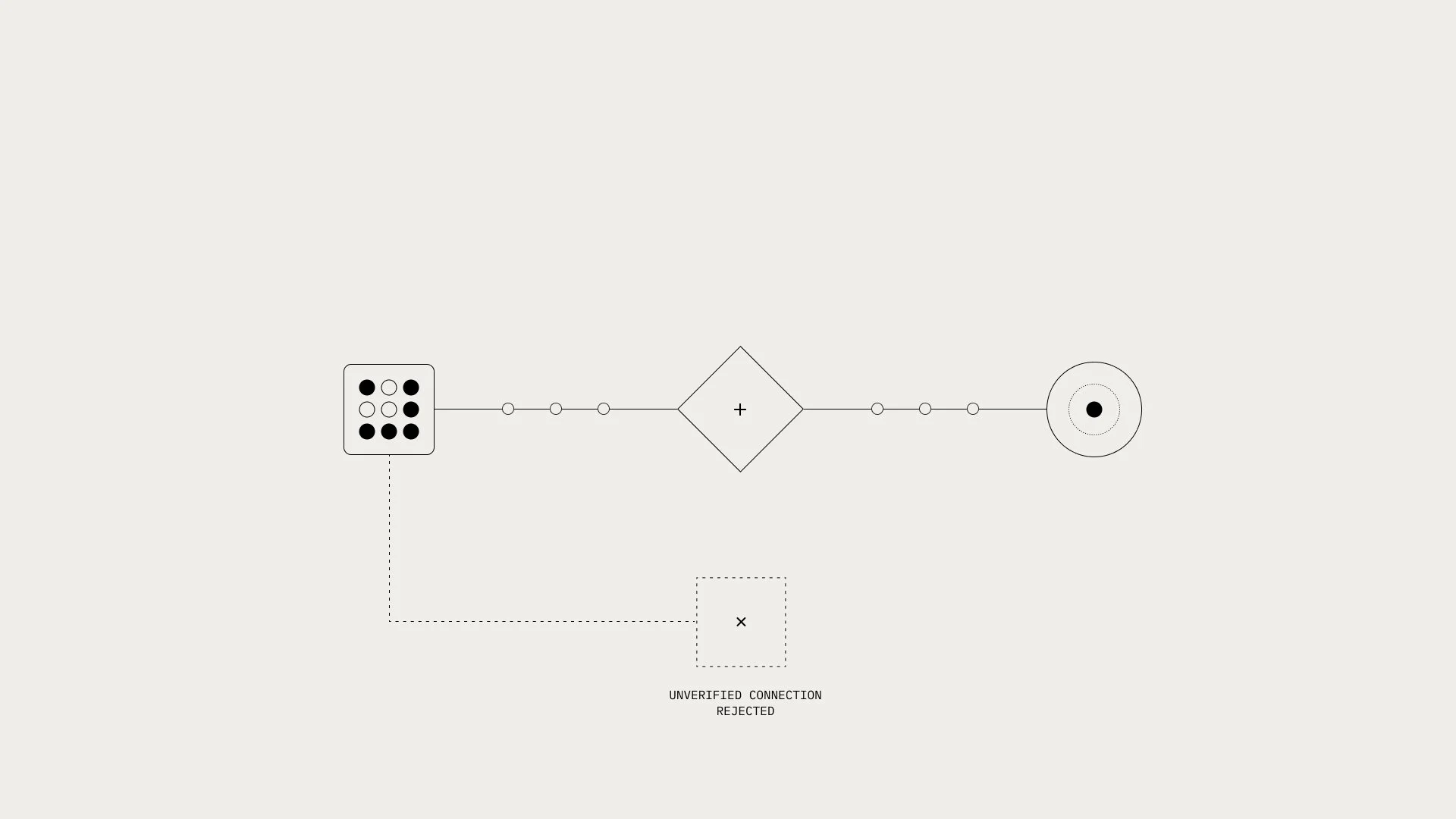
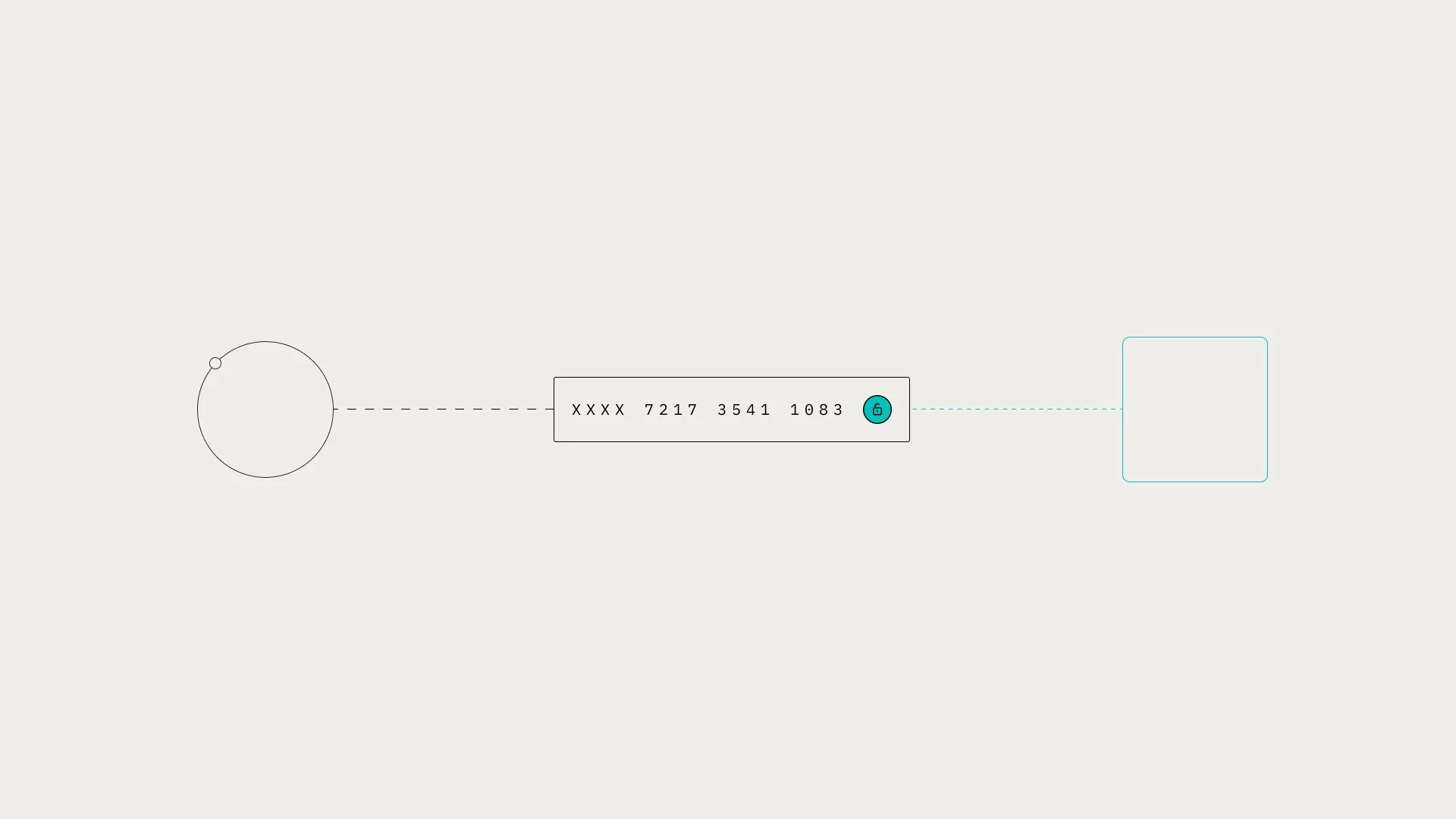
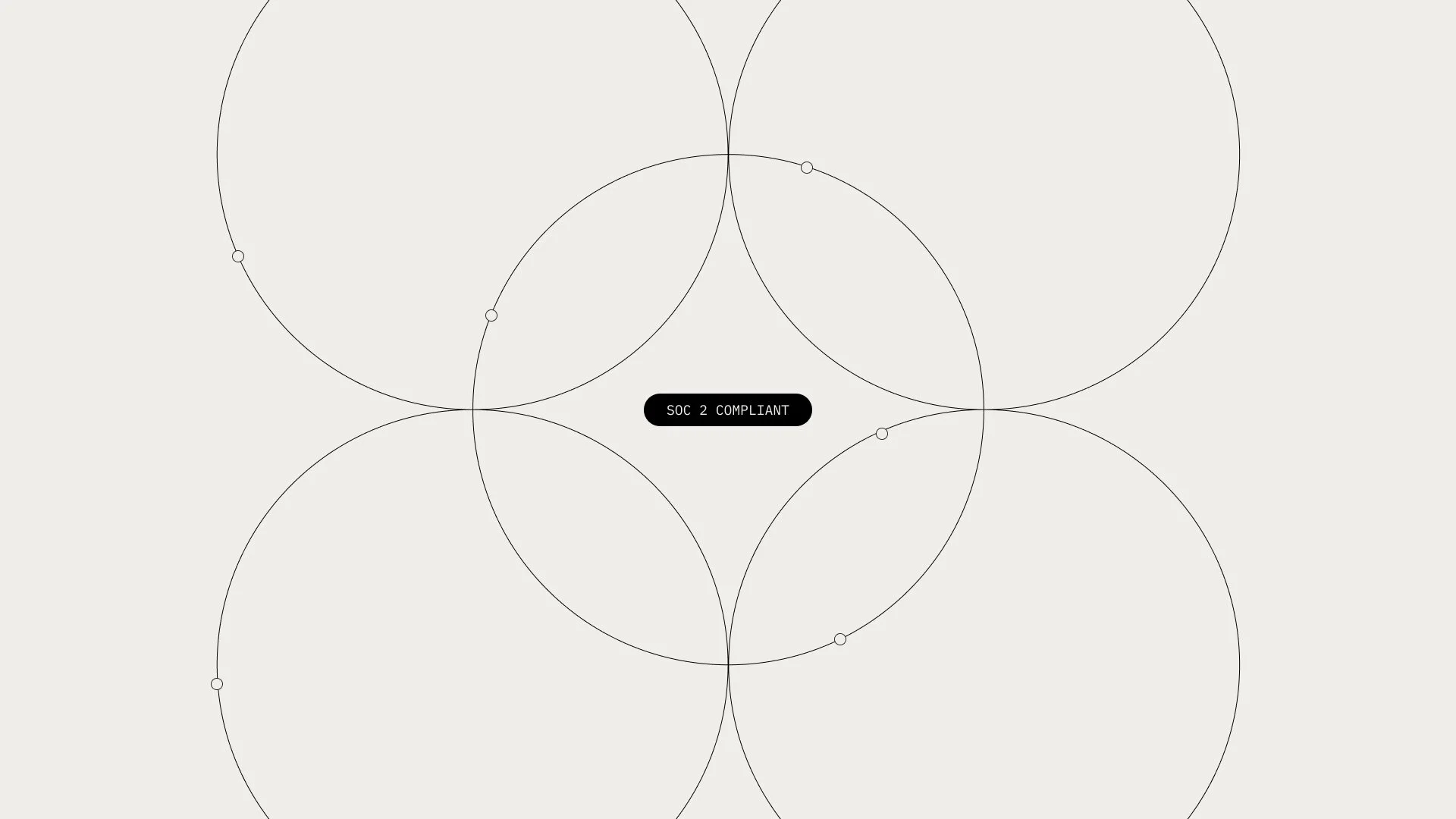
Security starts with communication. This film shows how Agility’s robots, cloud systems and infrastructure talk to each other through clear layers of identity and verification. Each exchange runs as request, confirmation, then action, so autonomy can be trusted from the start.
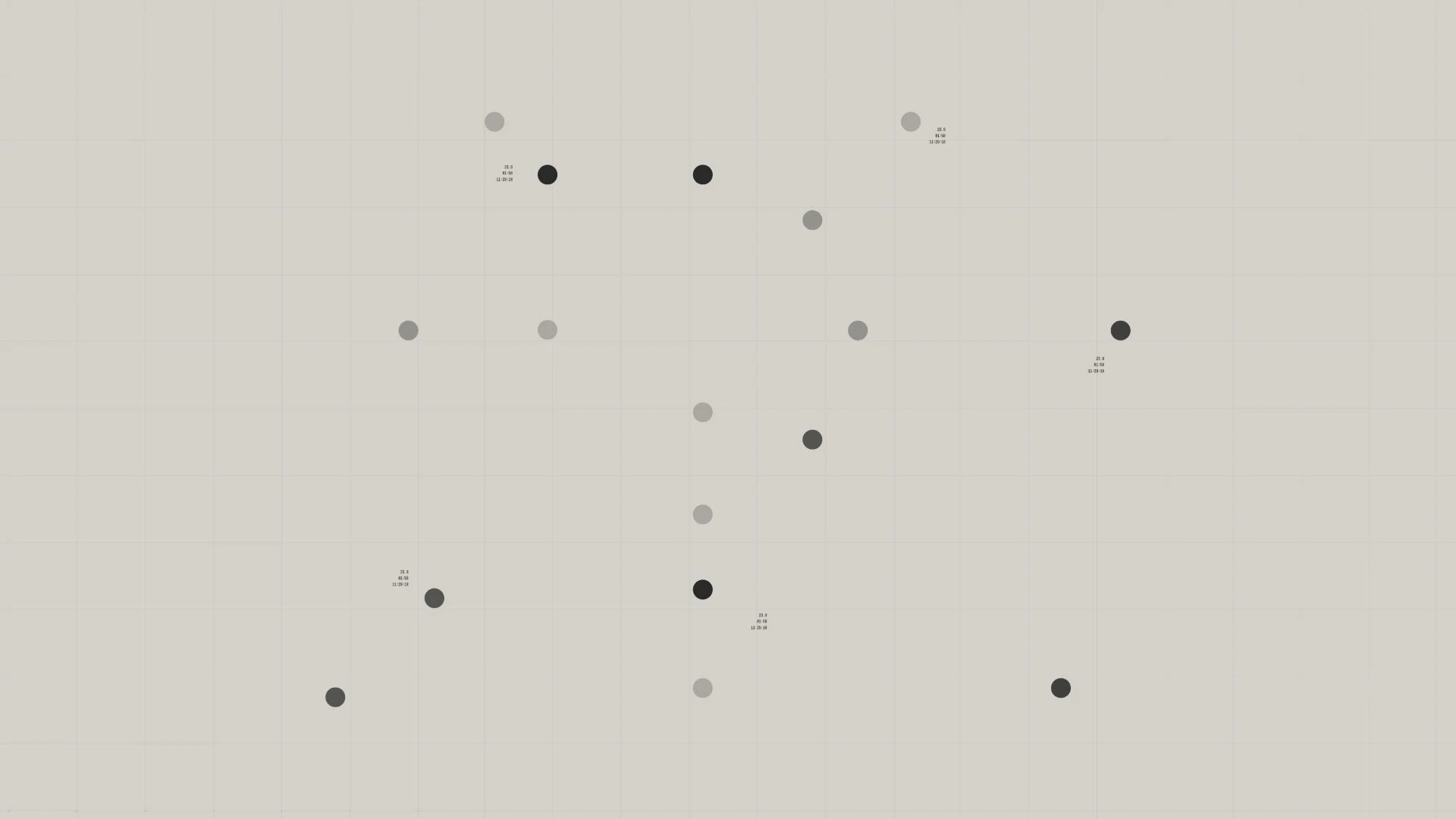
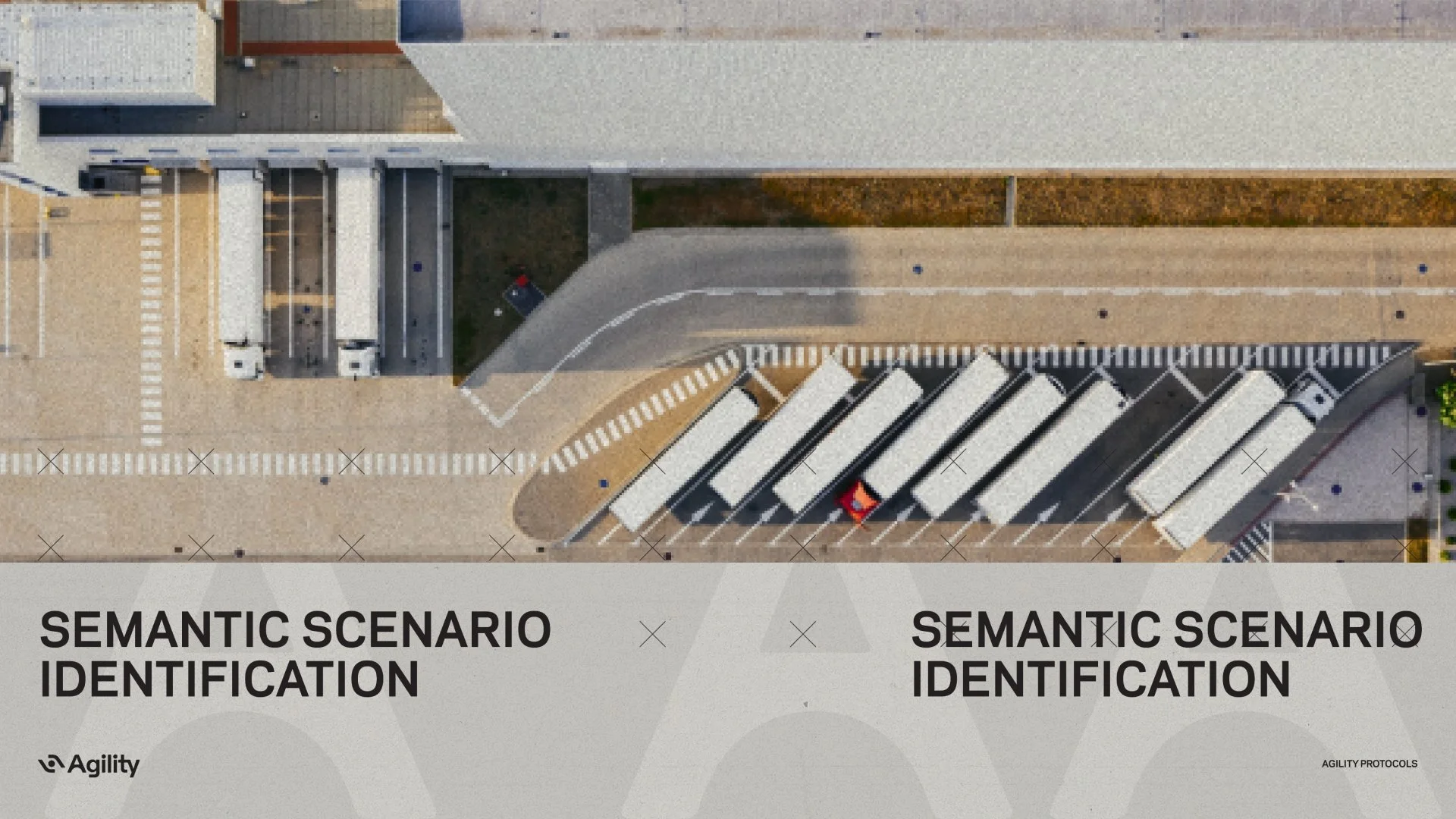
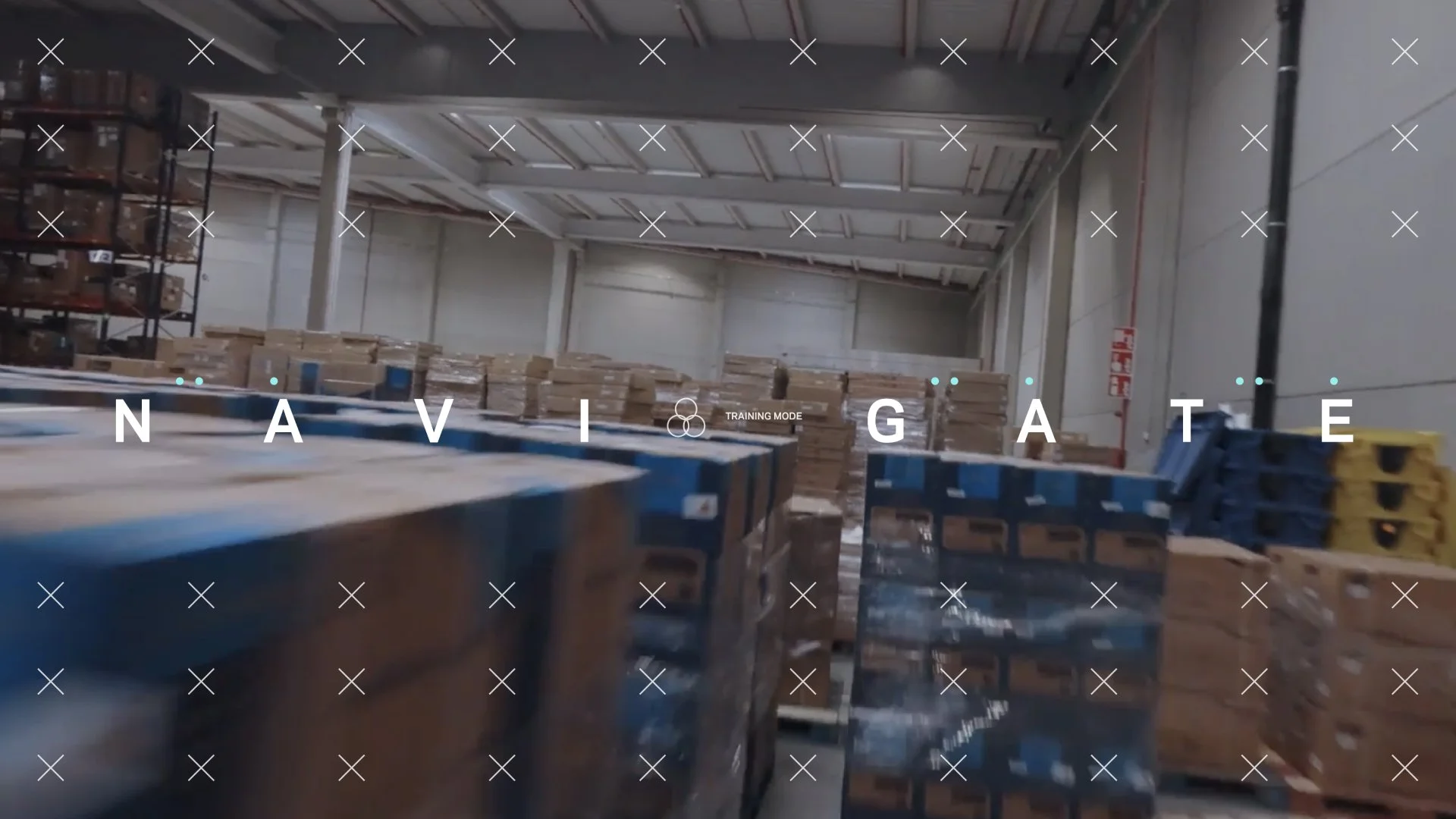
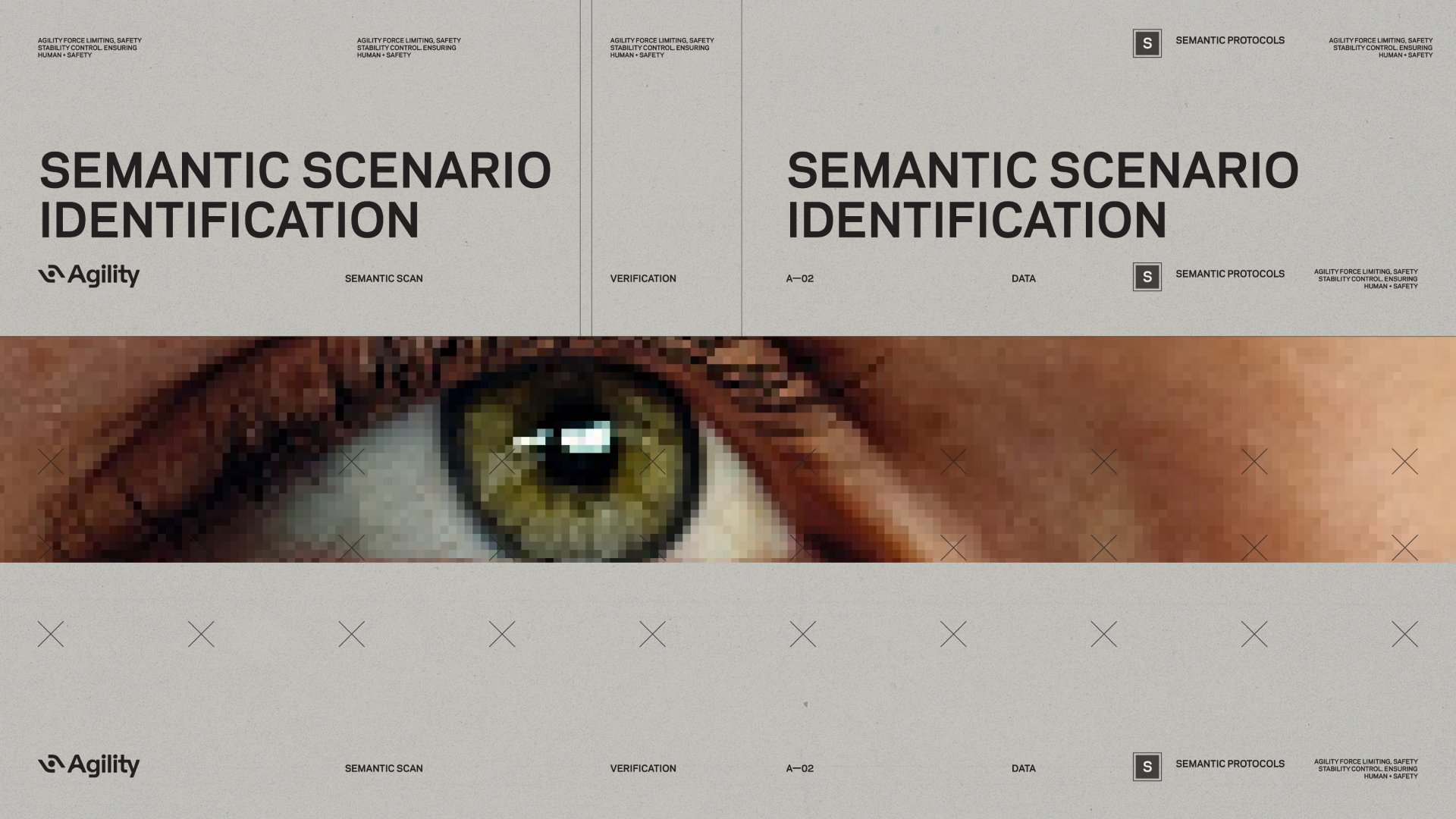
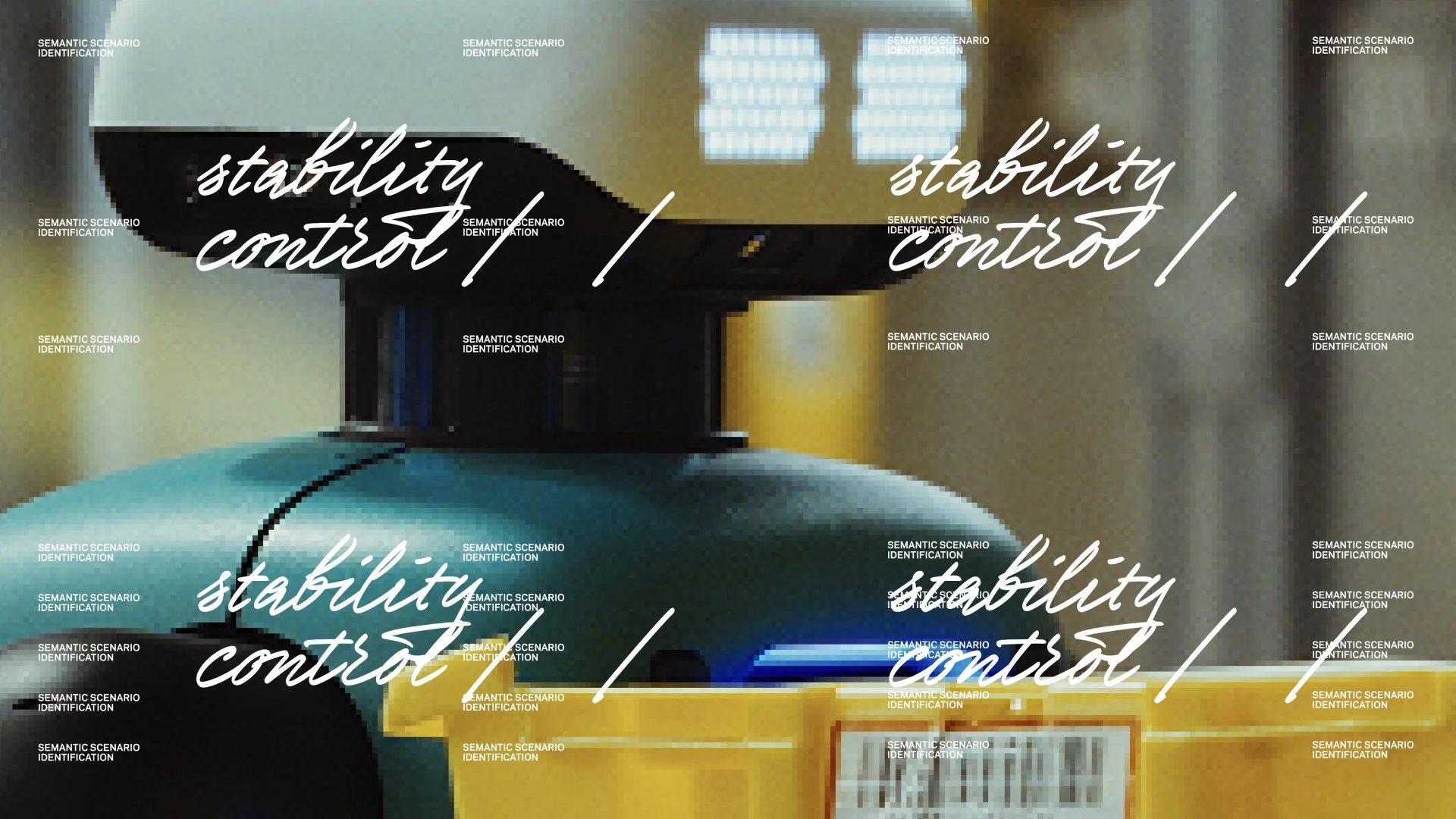
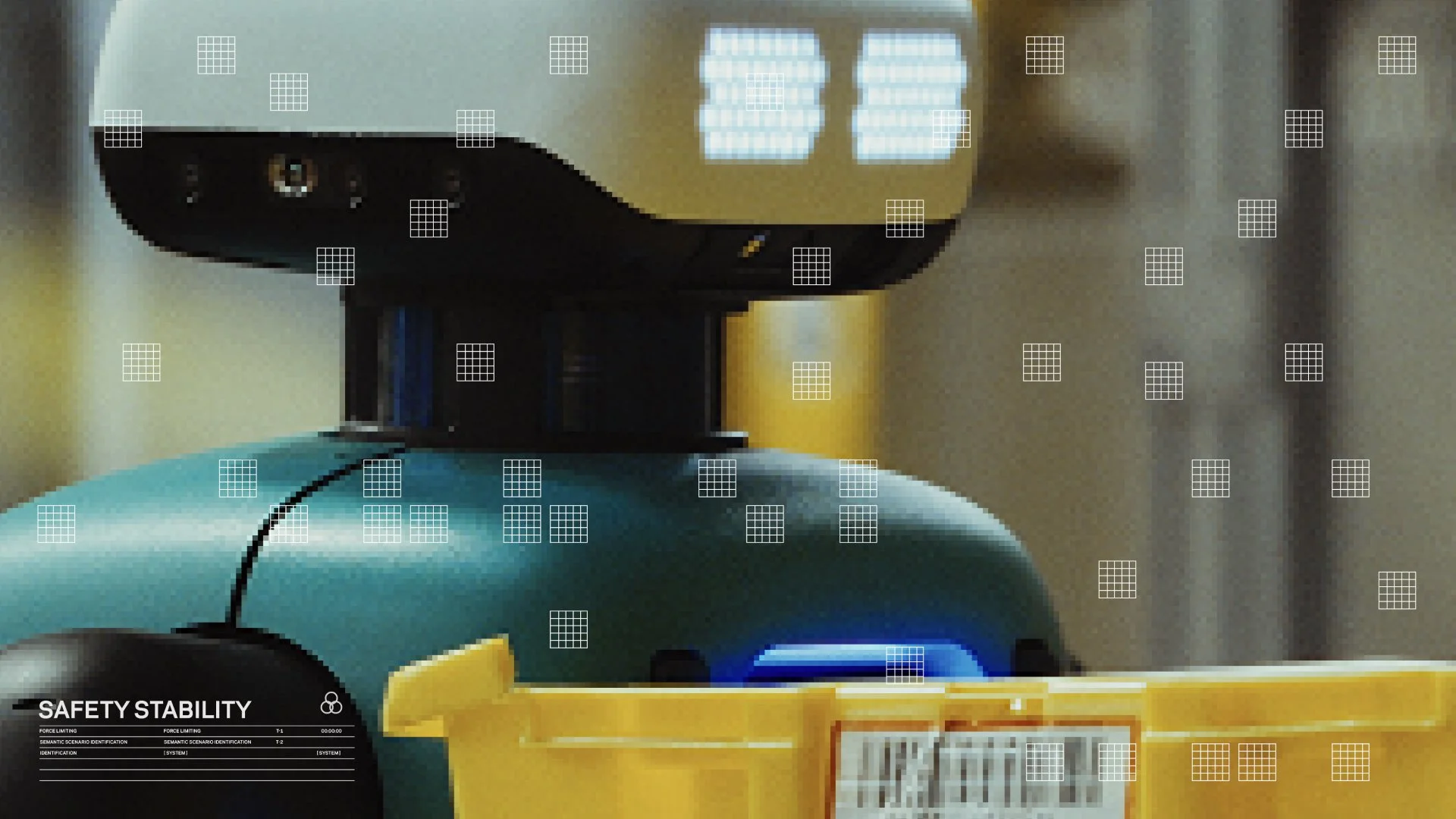
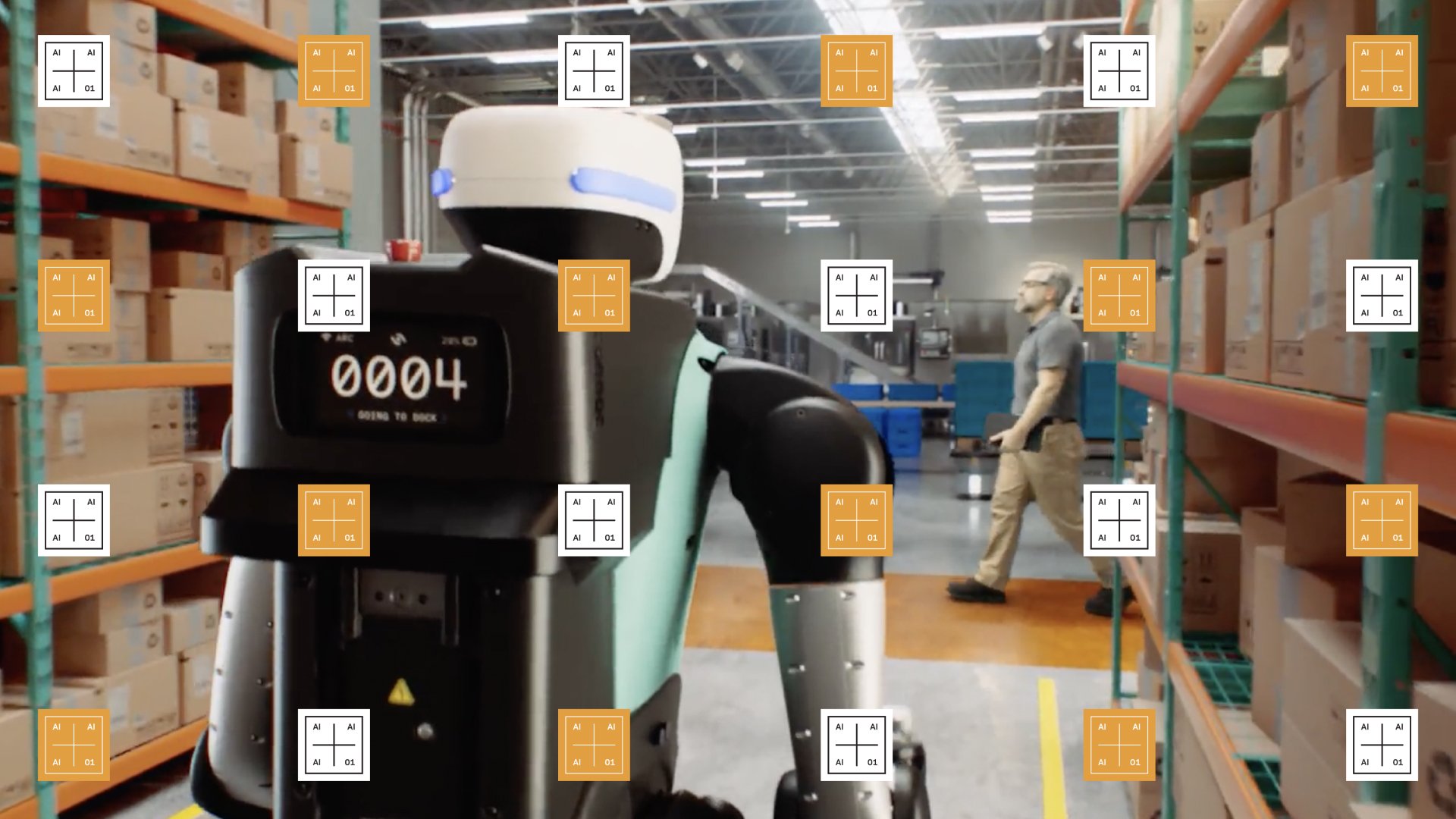
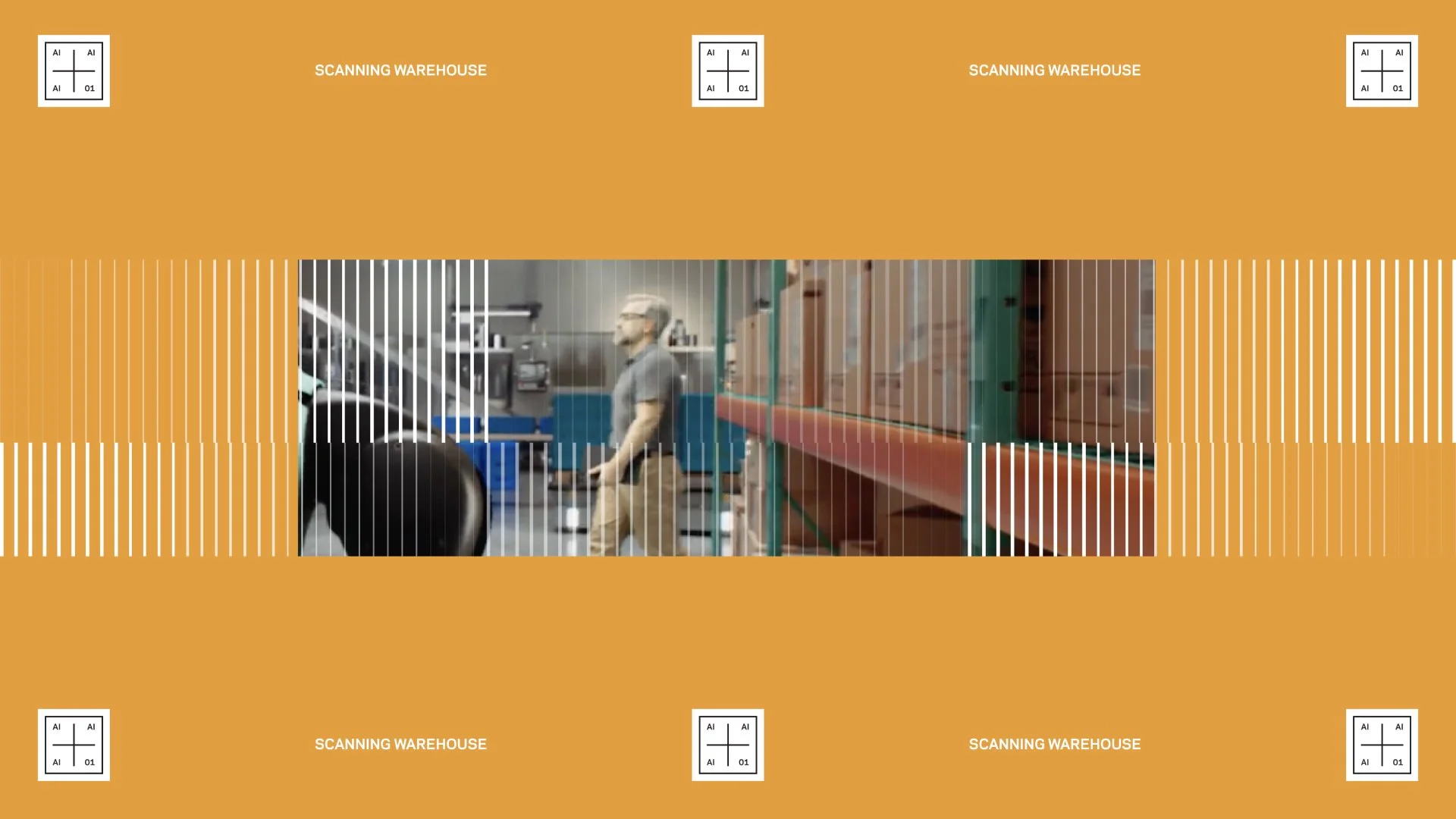
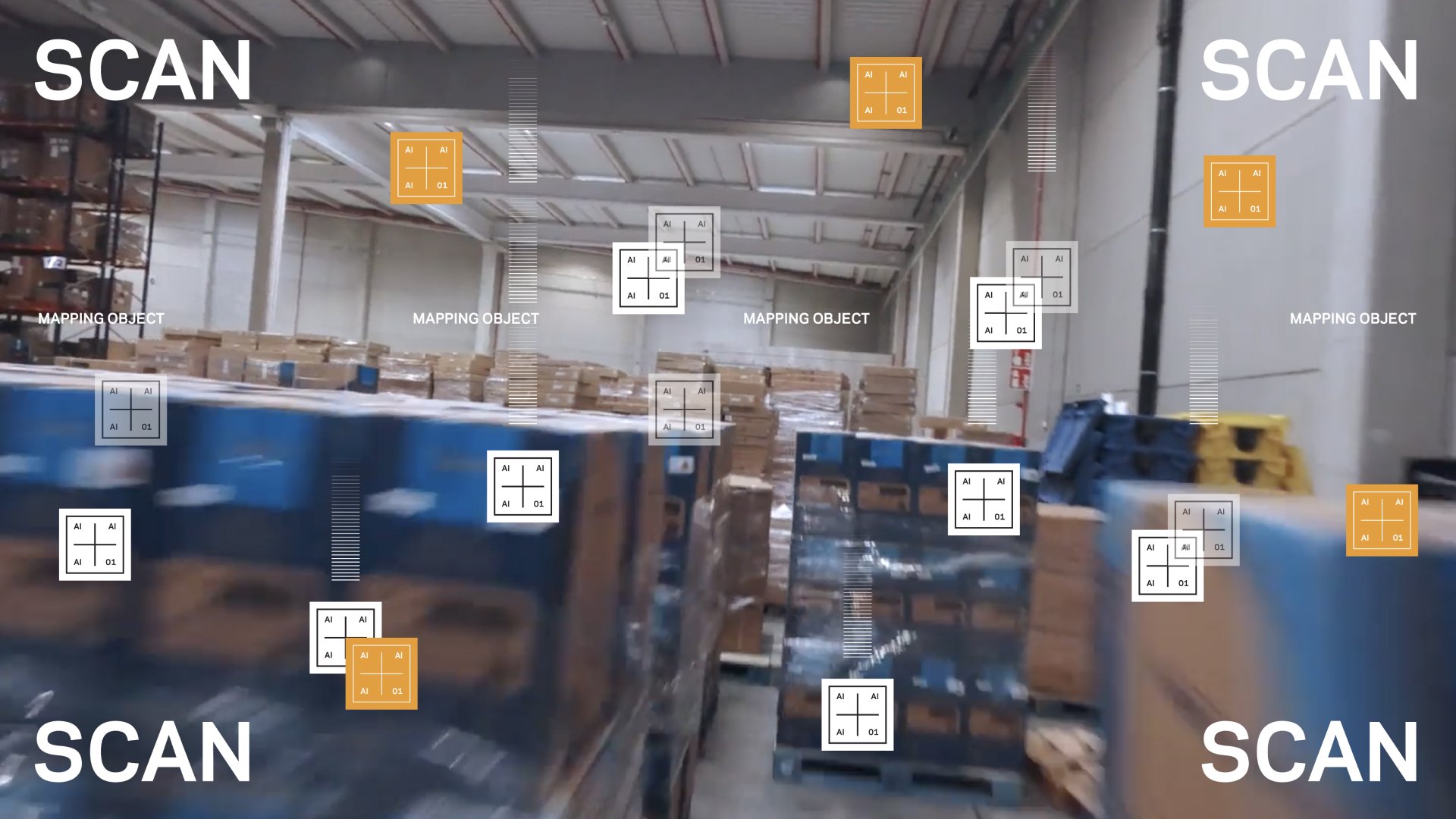
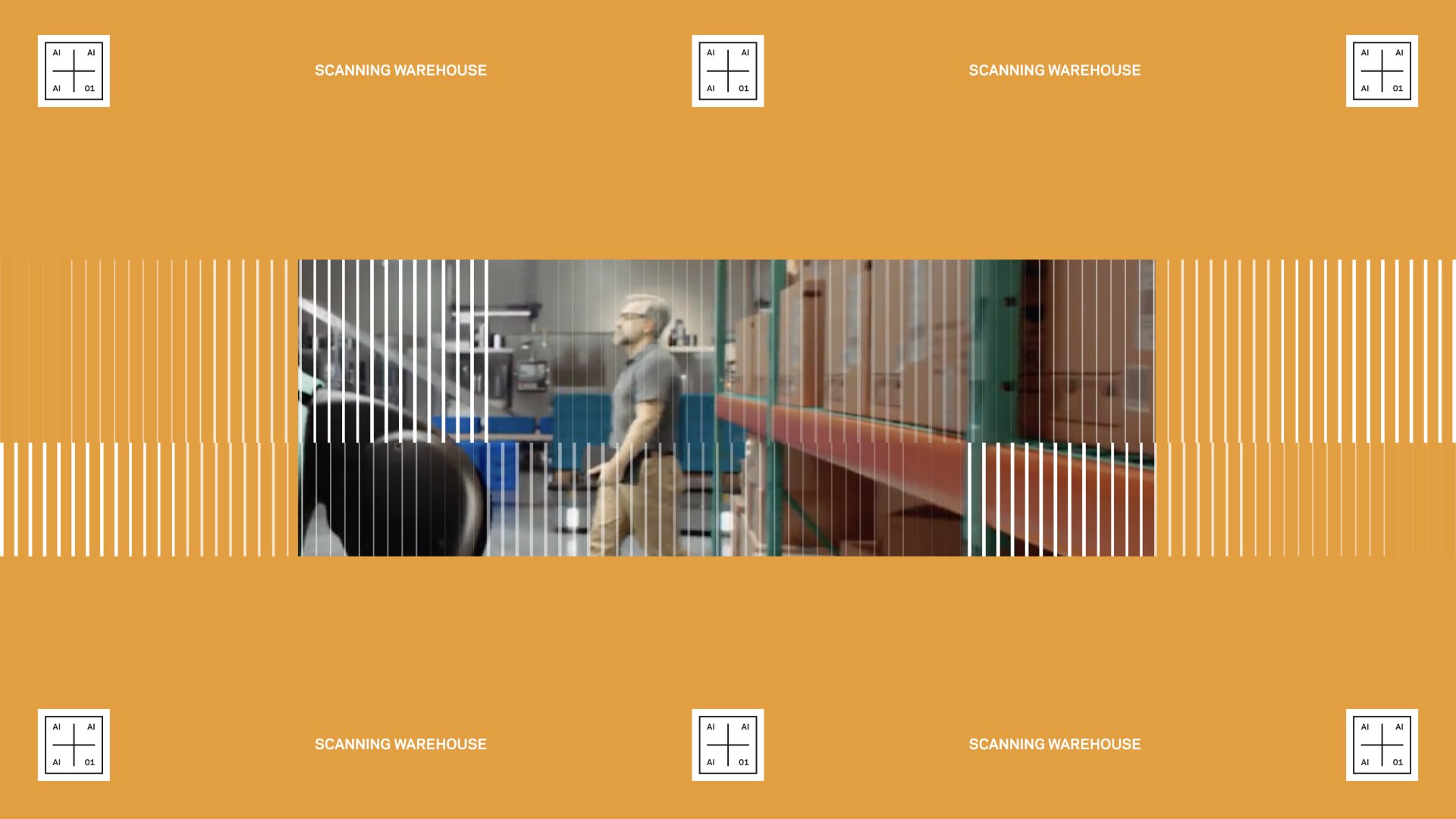
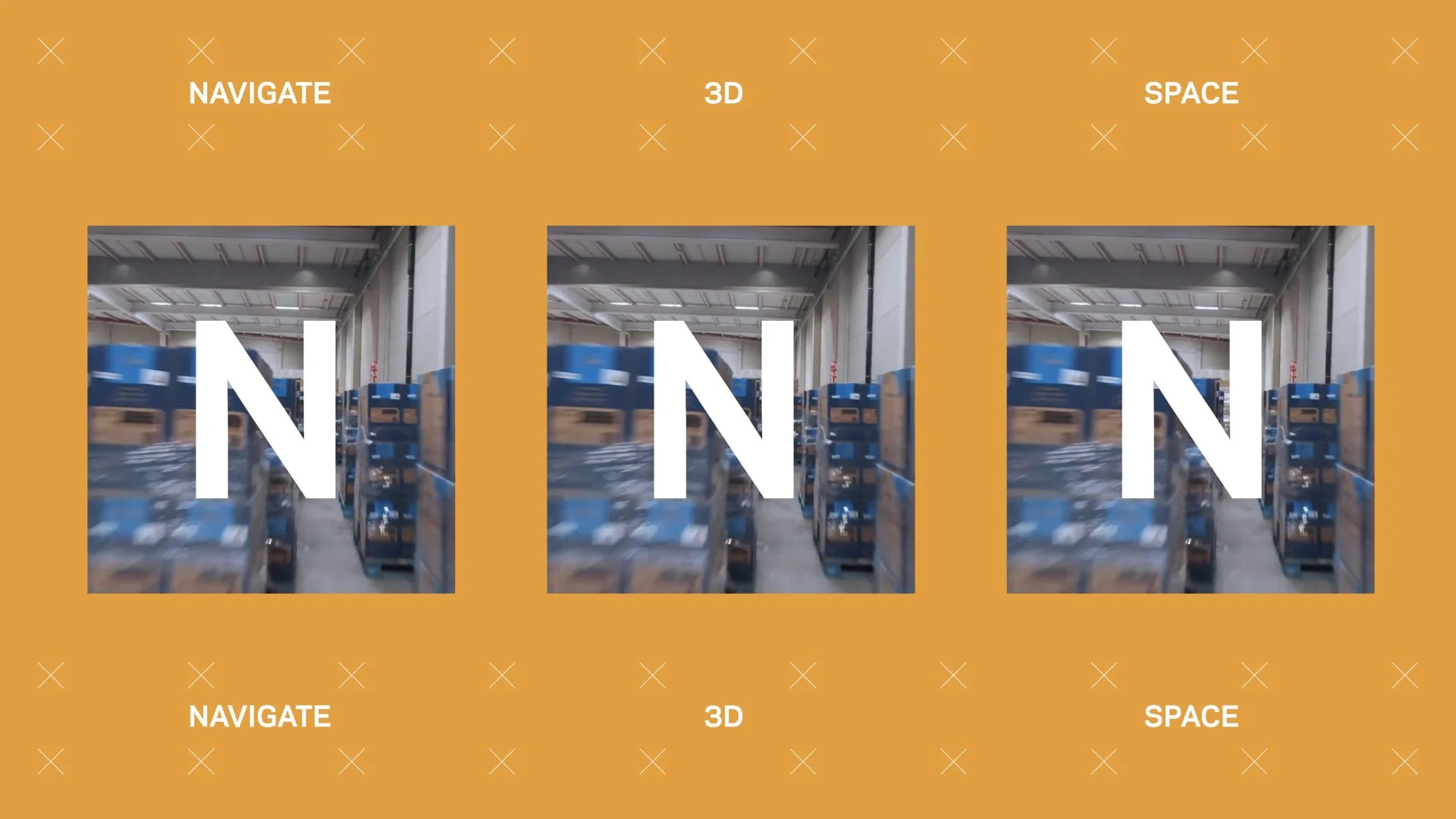
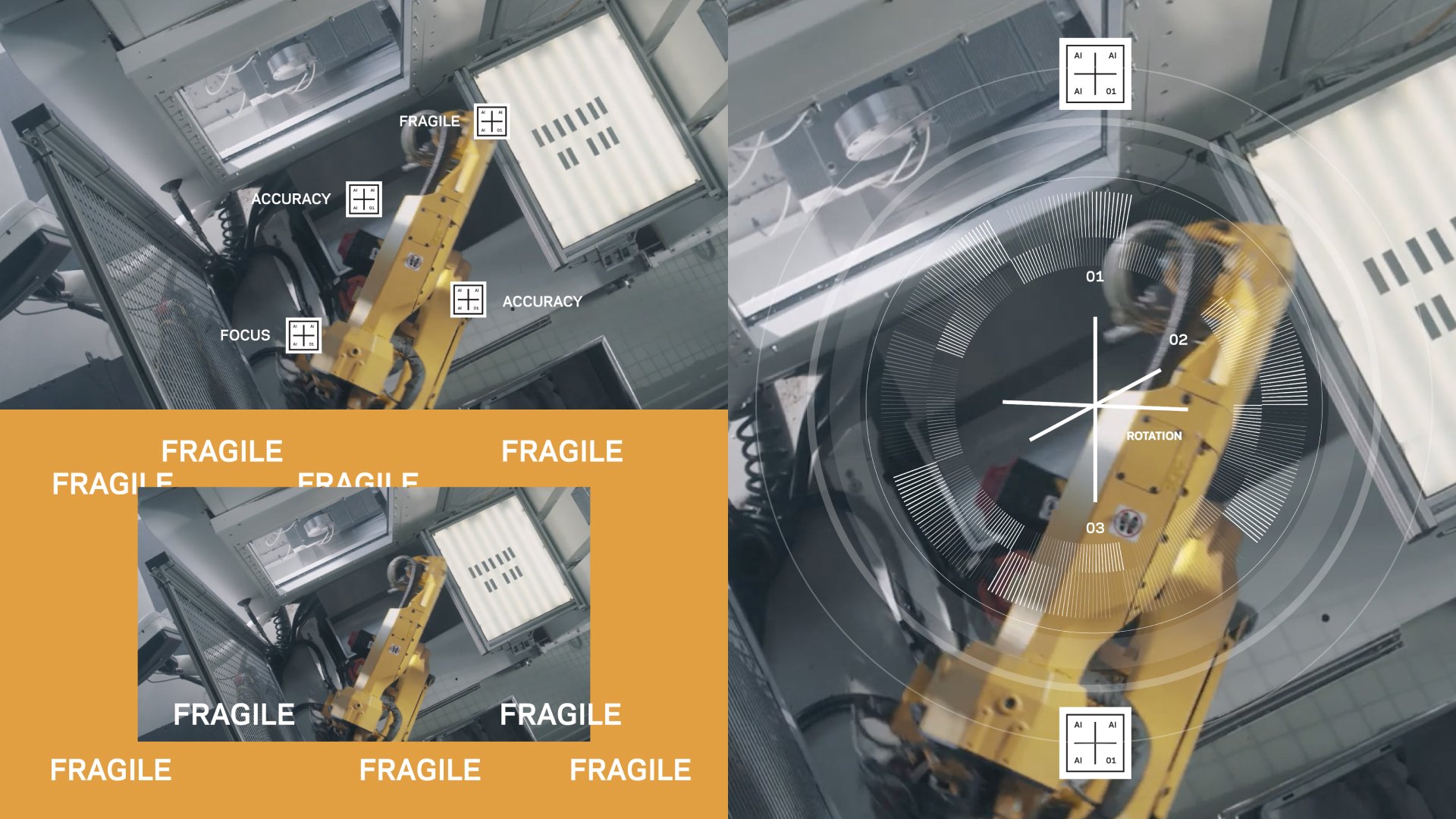
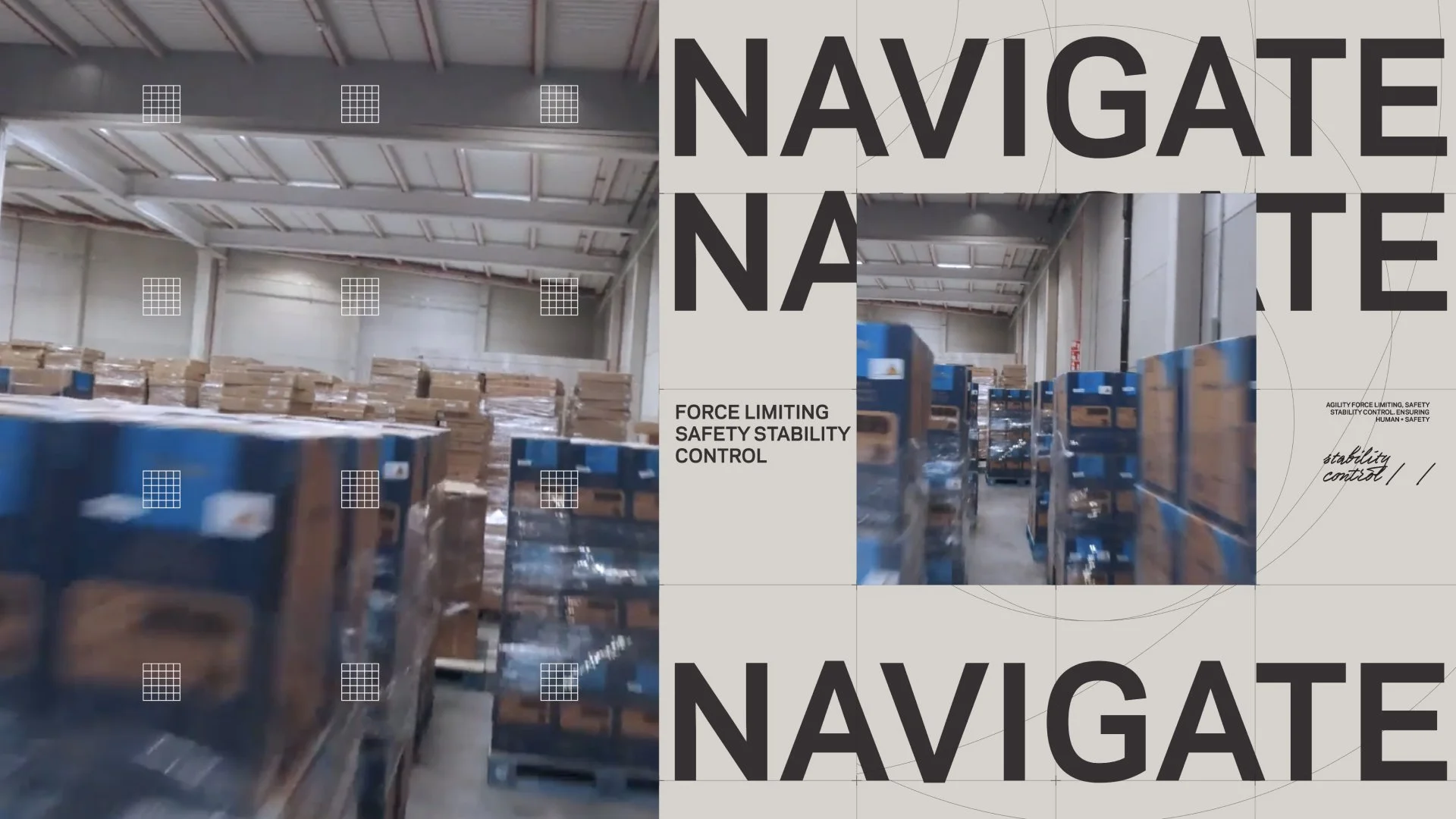
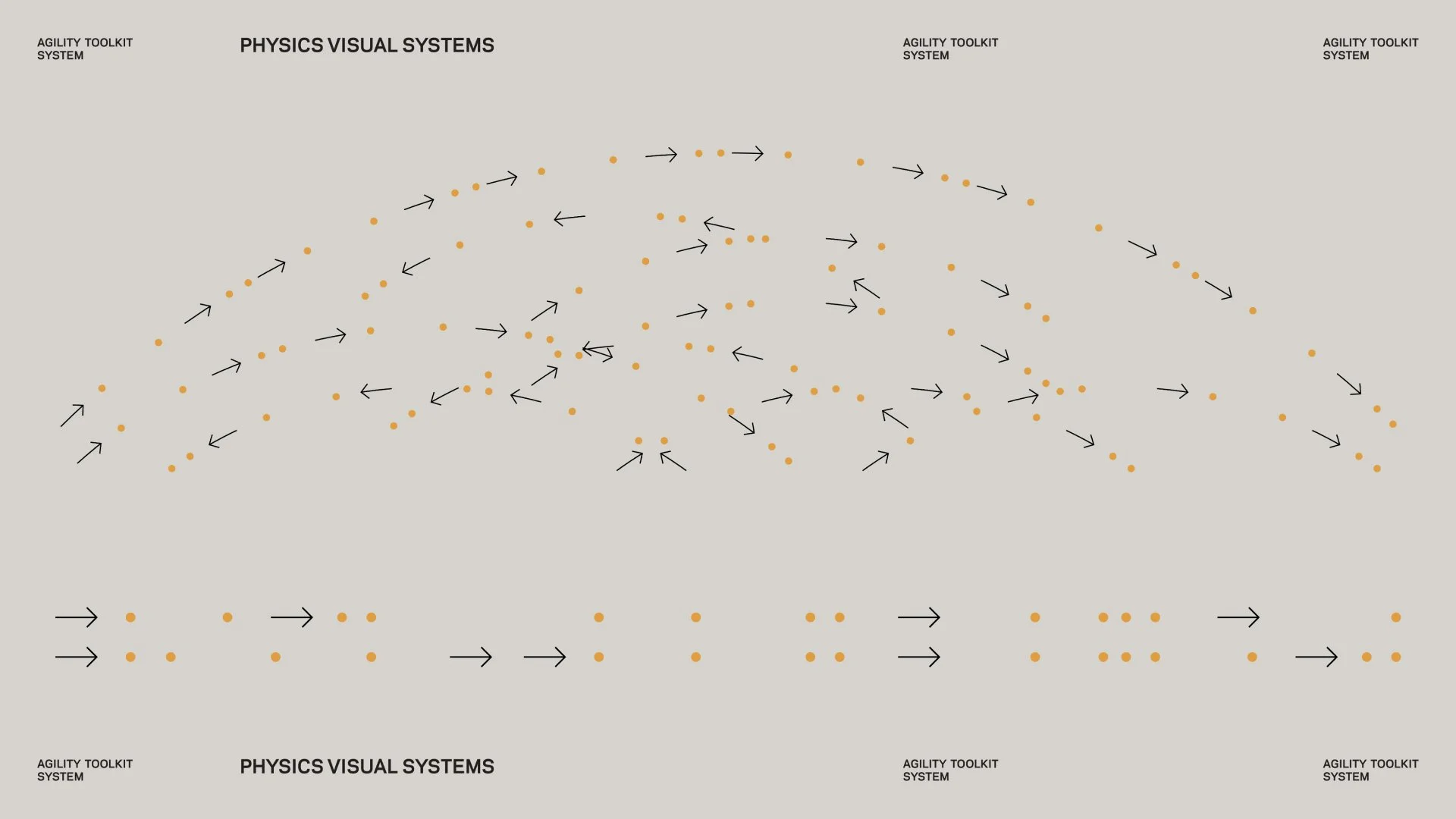
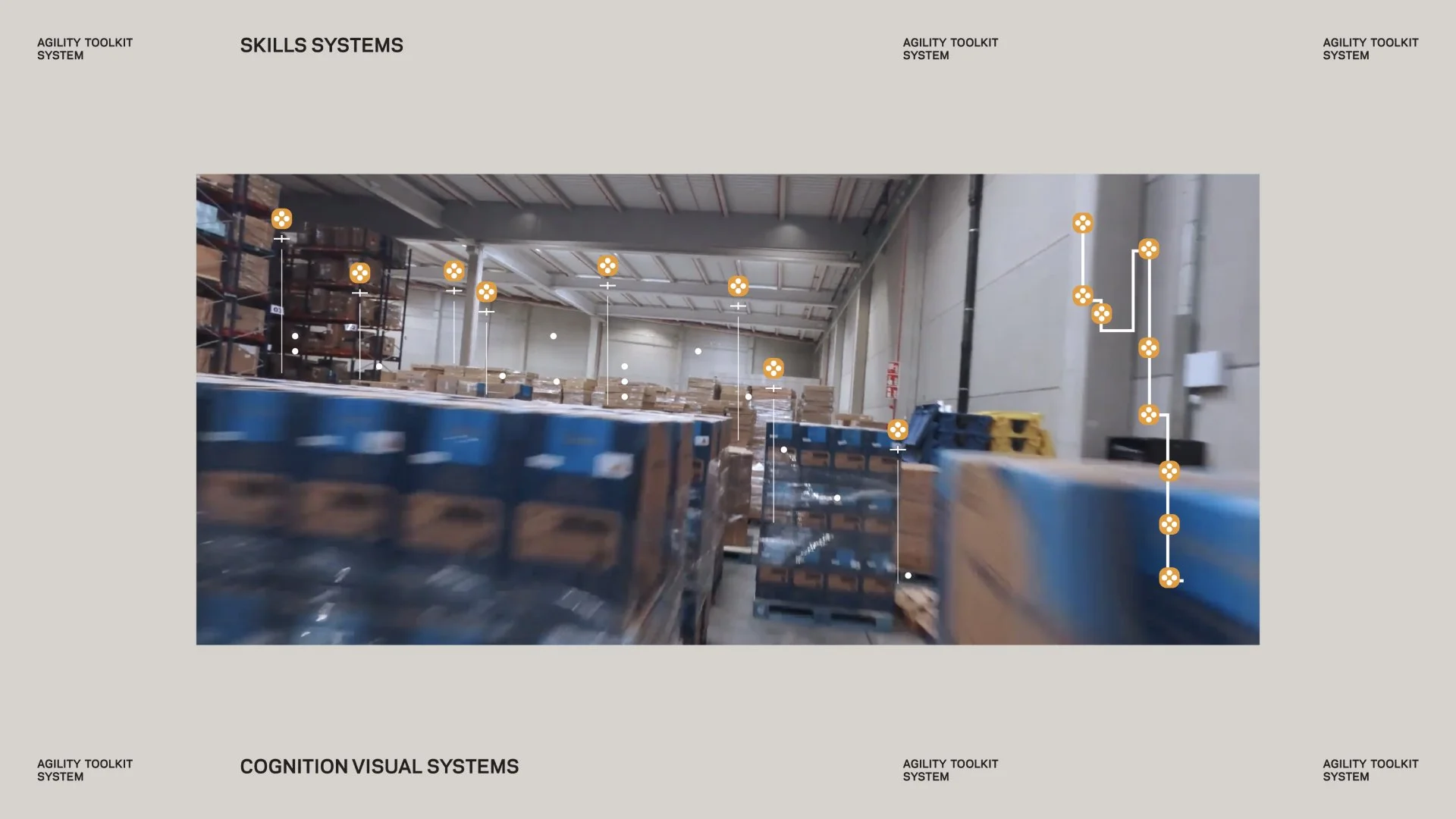
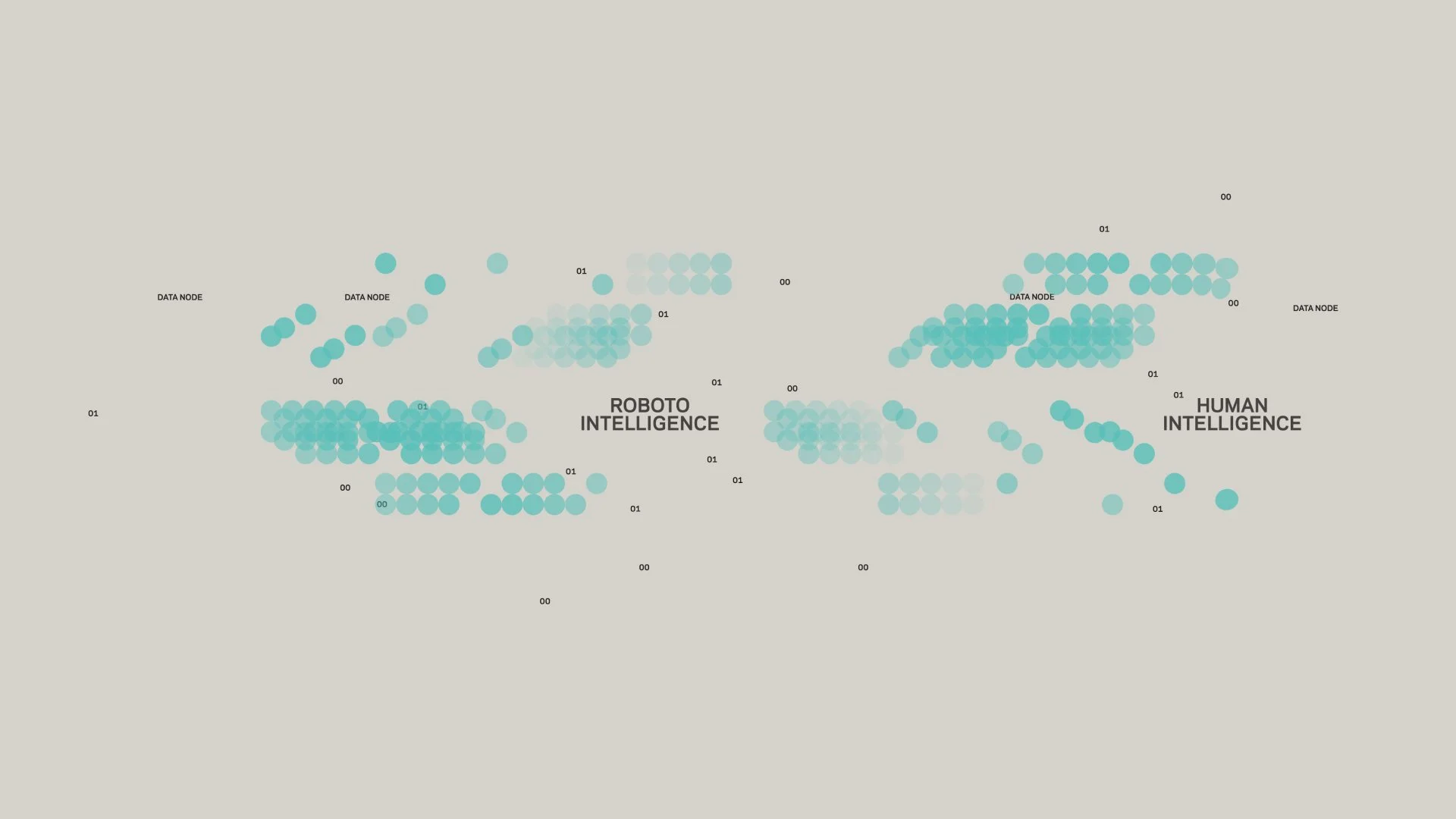
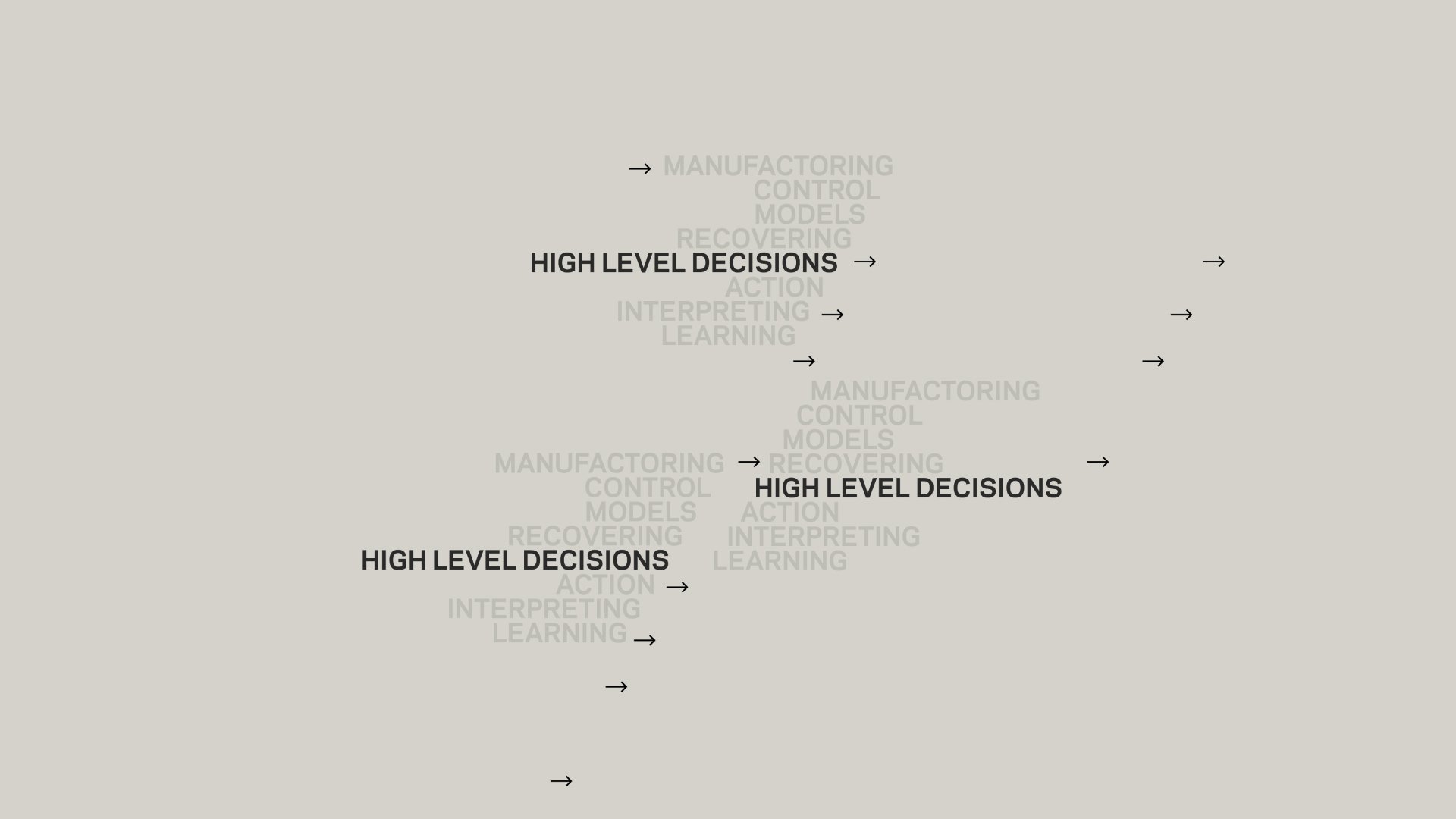
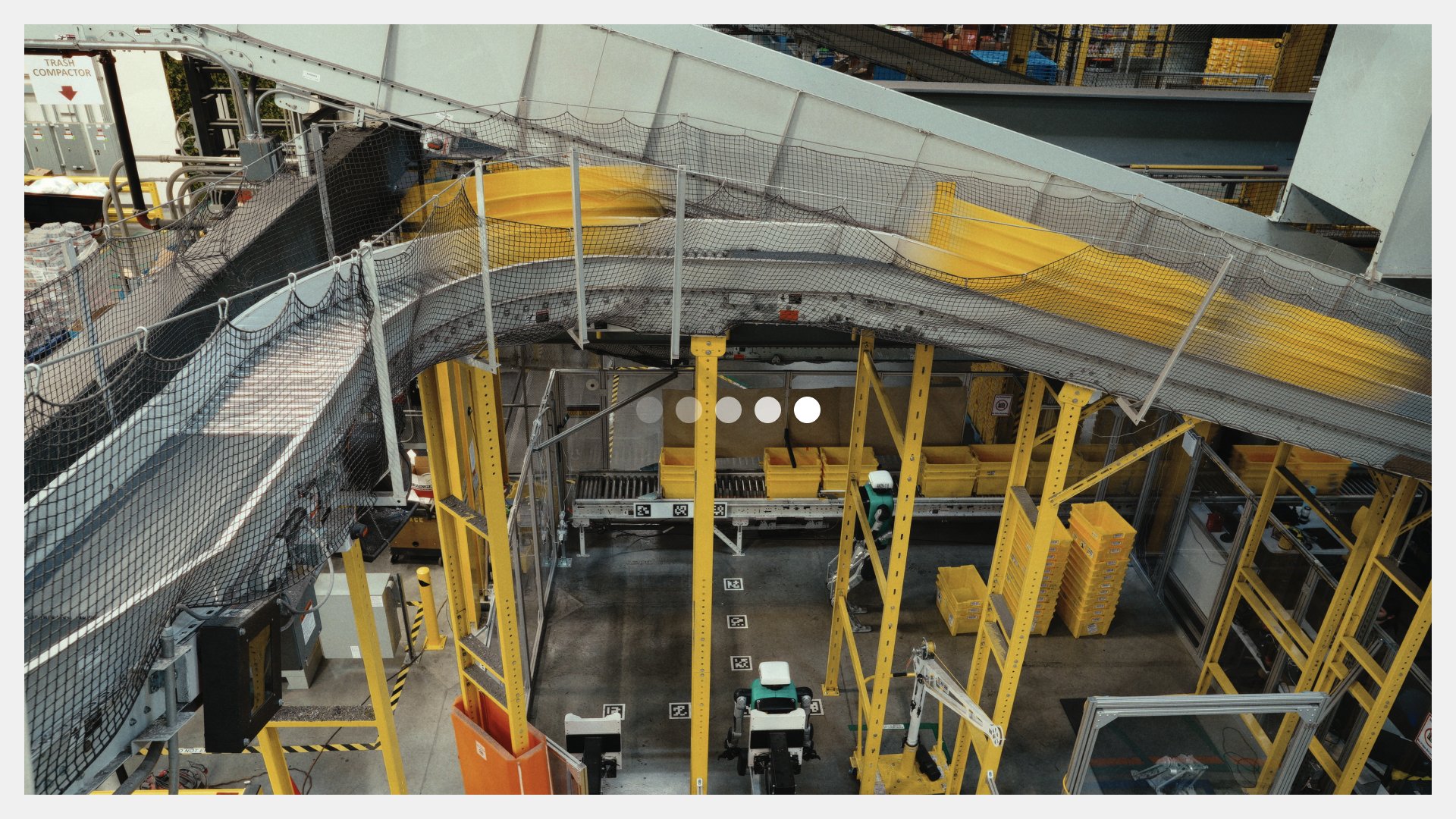
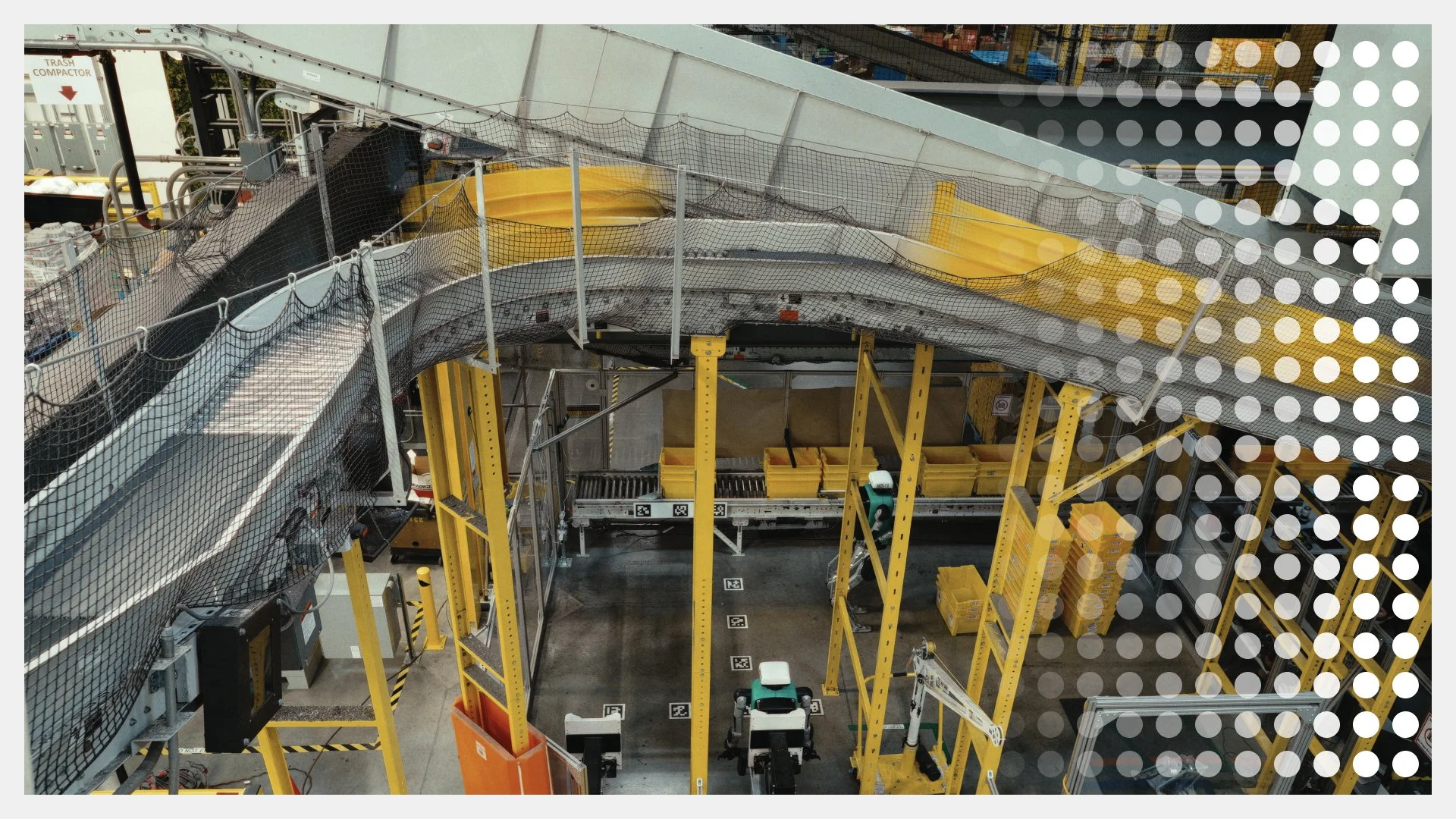
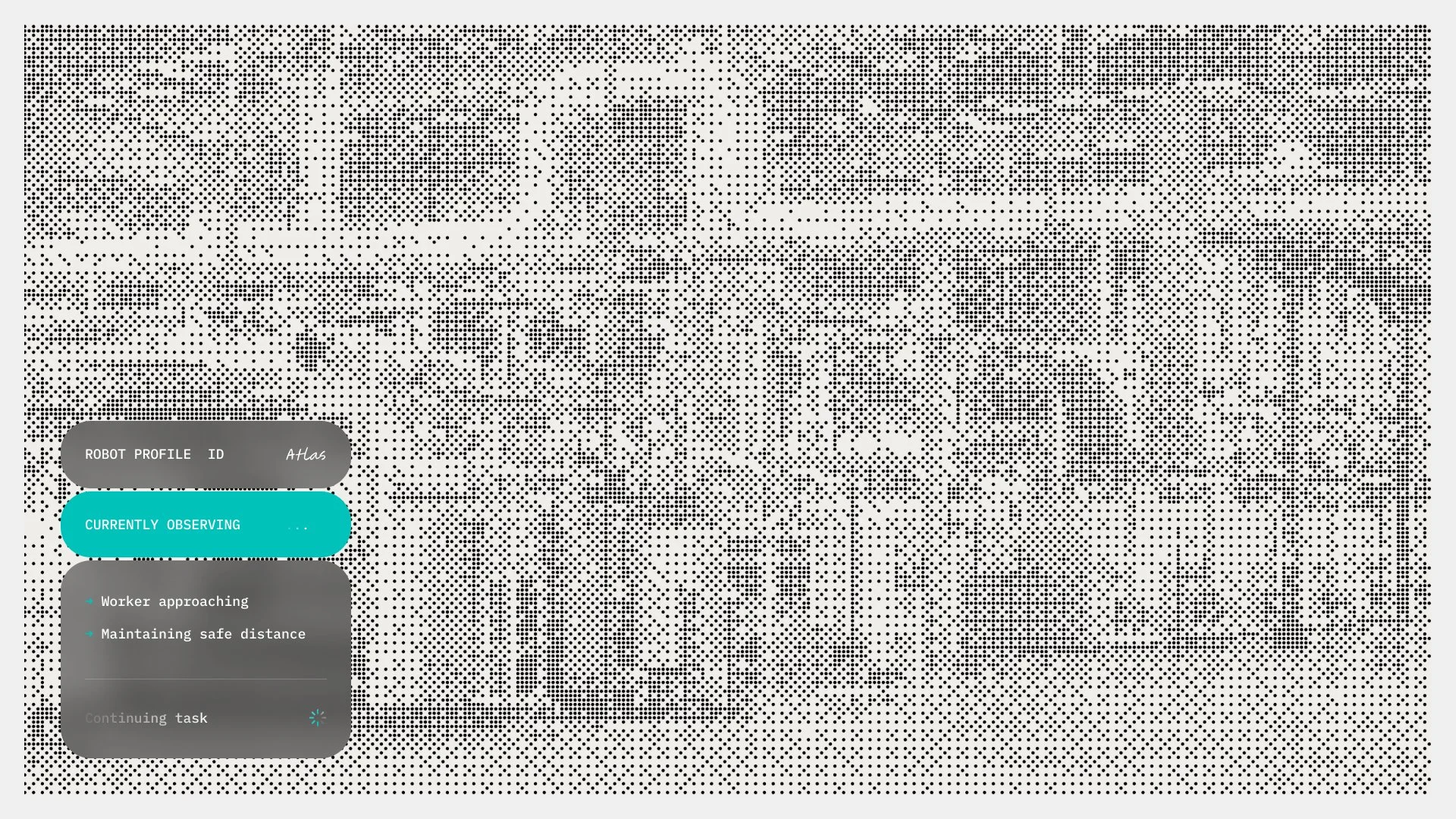
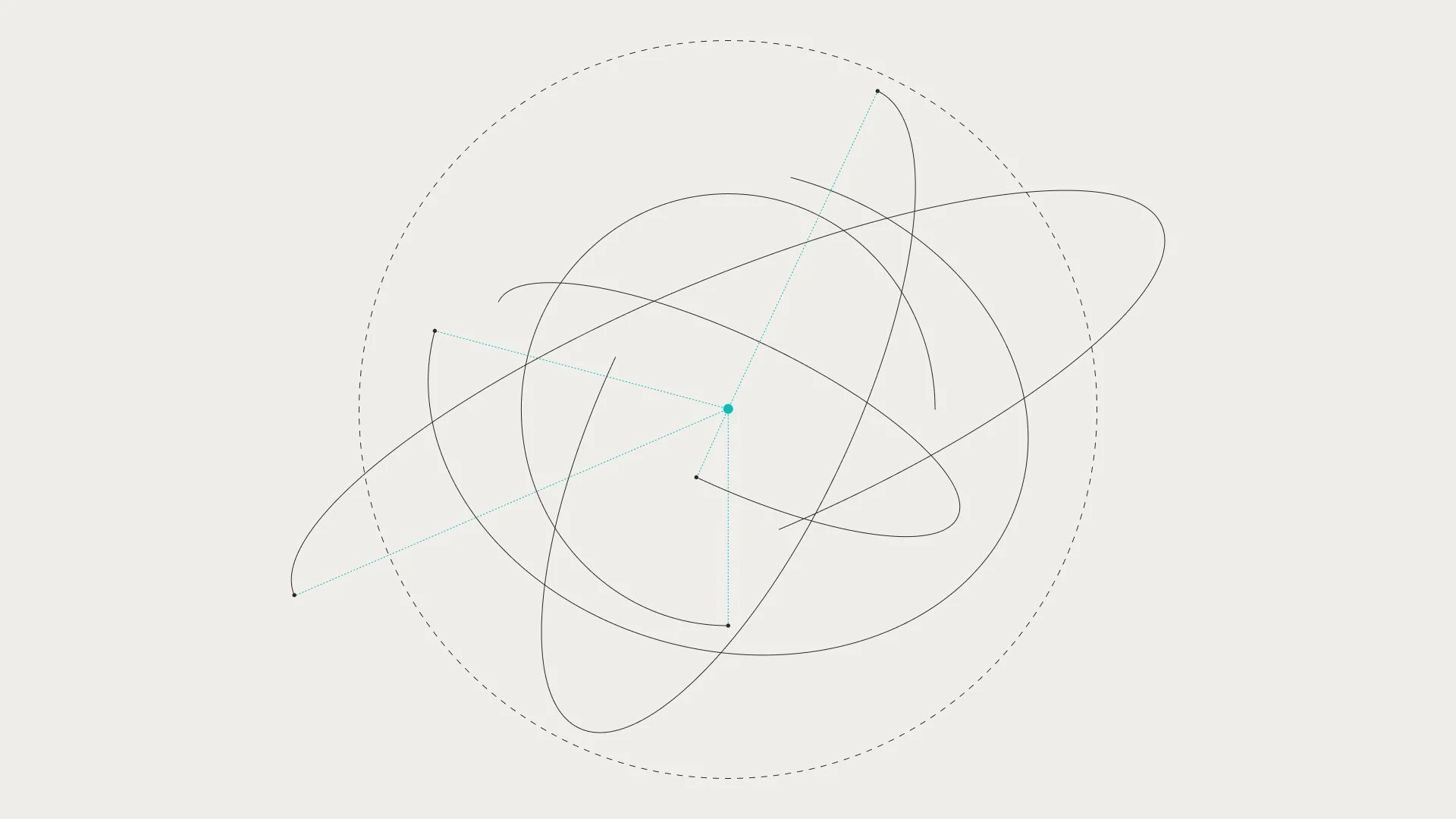
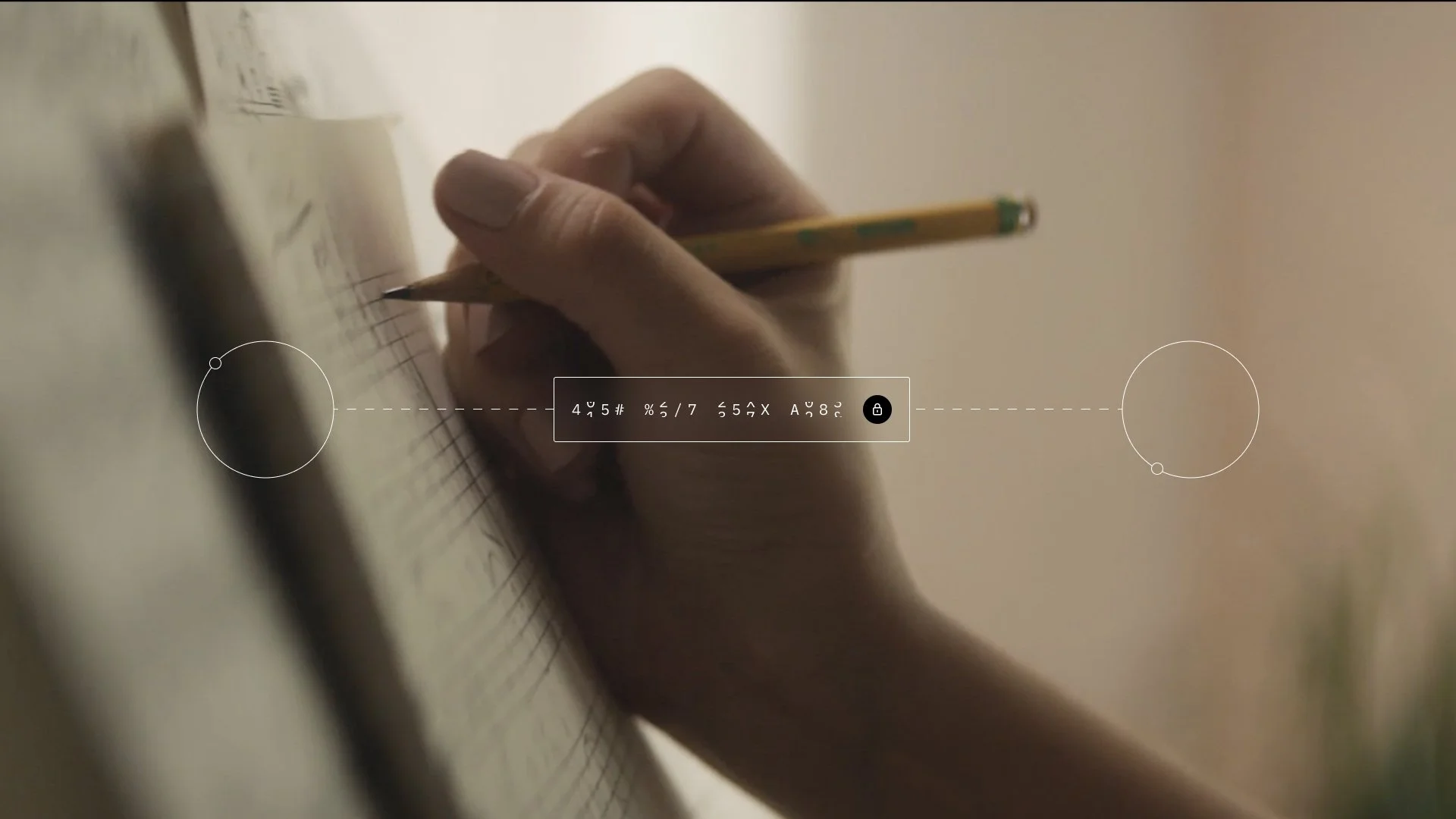
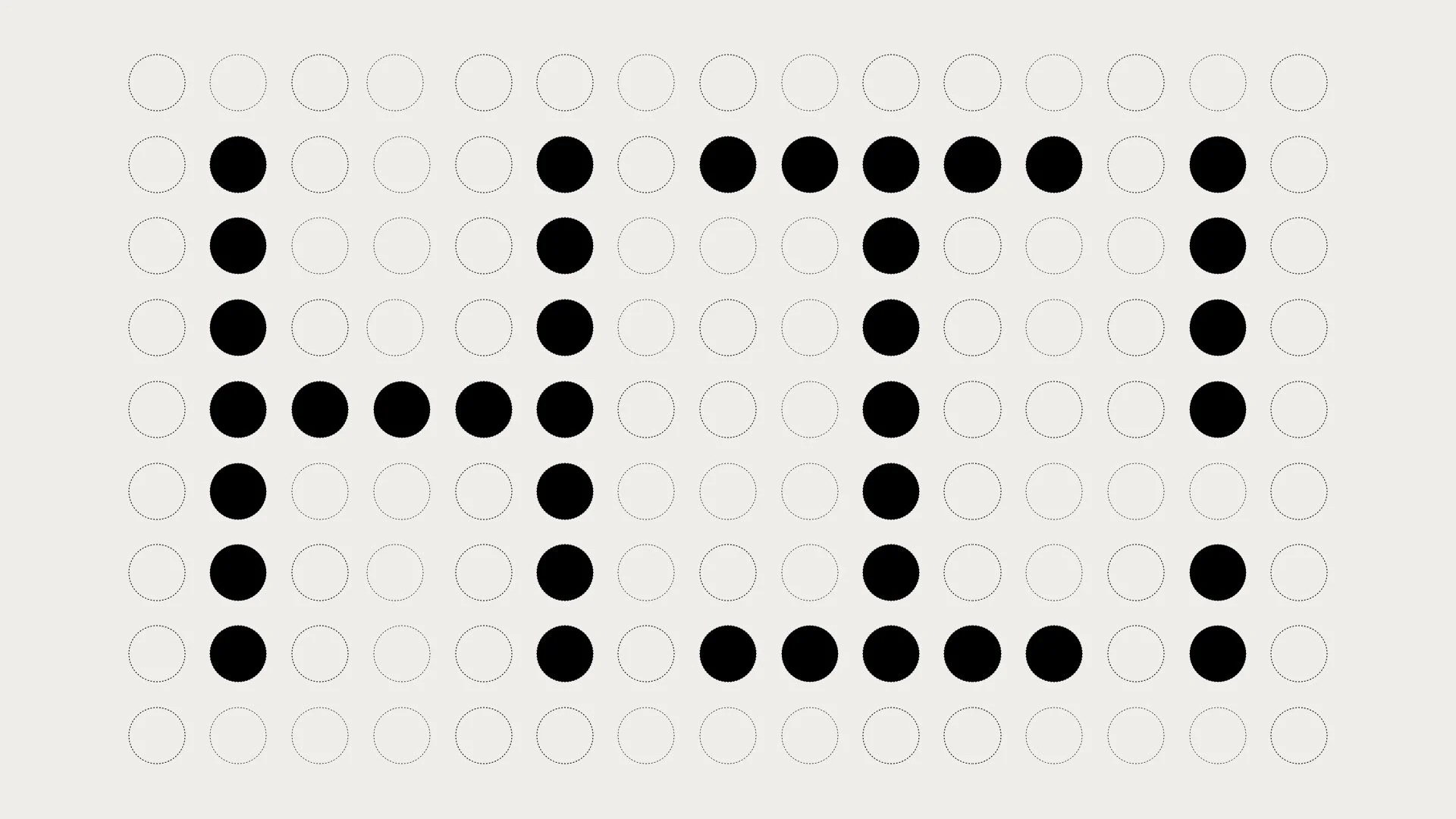
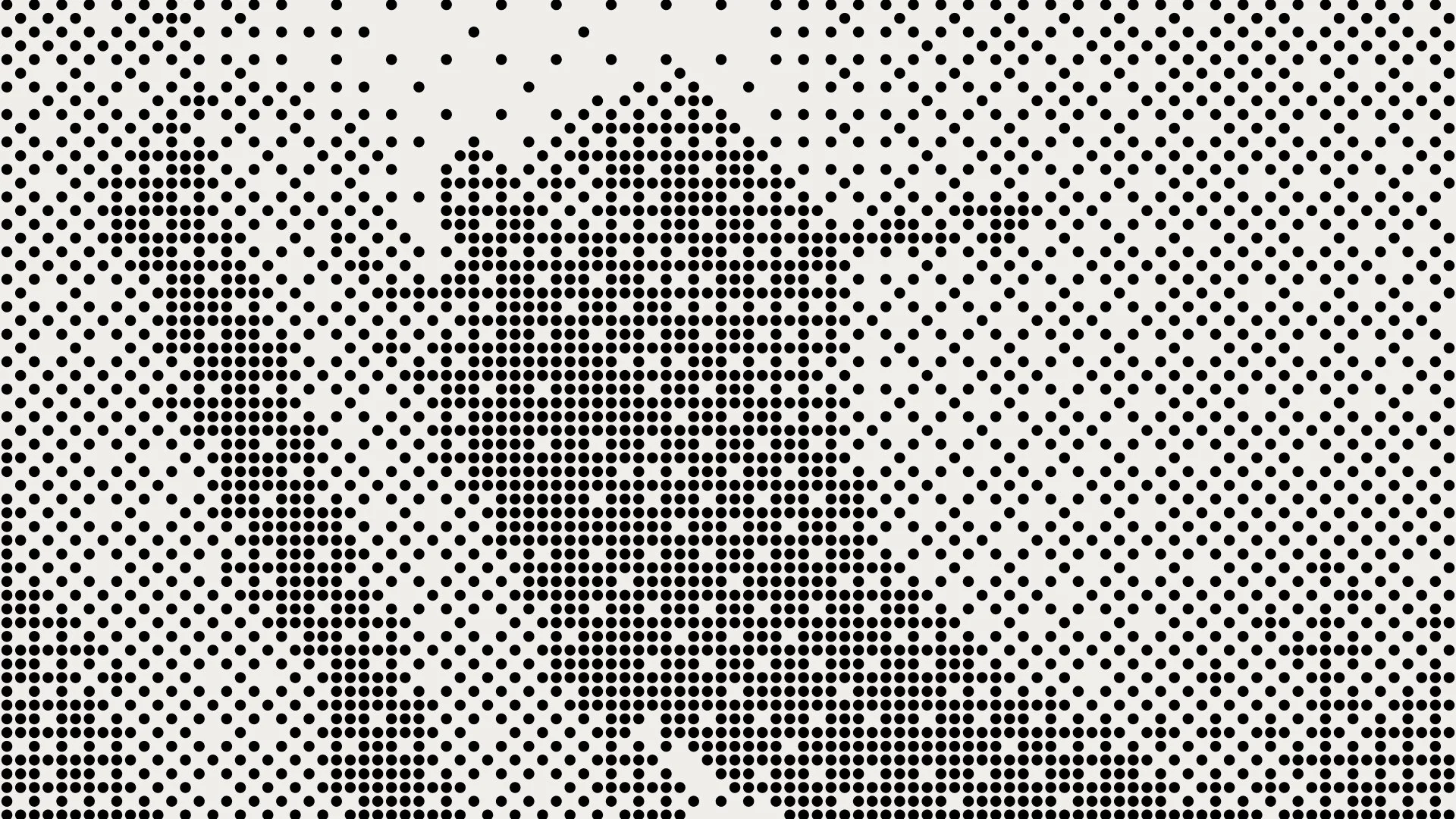
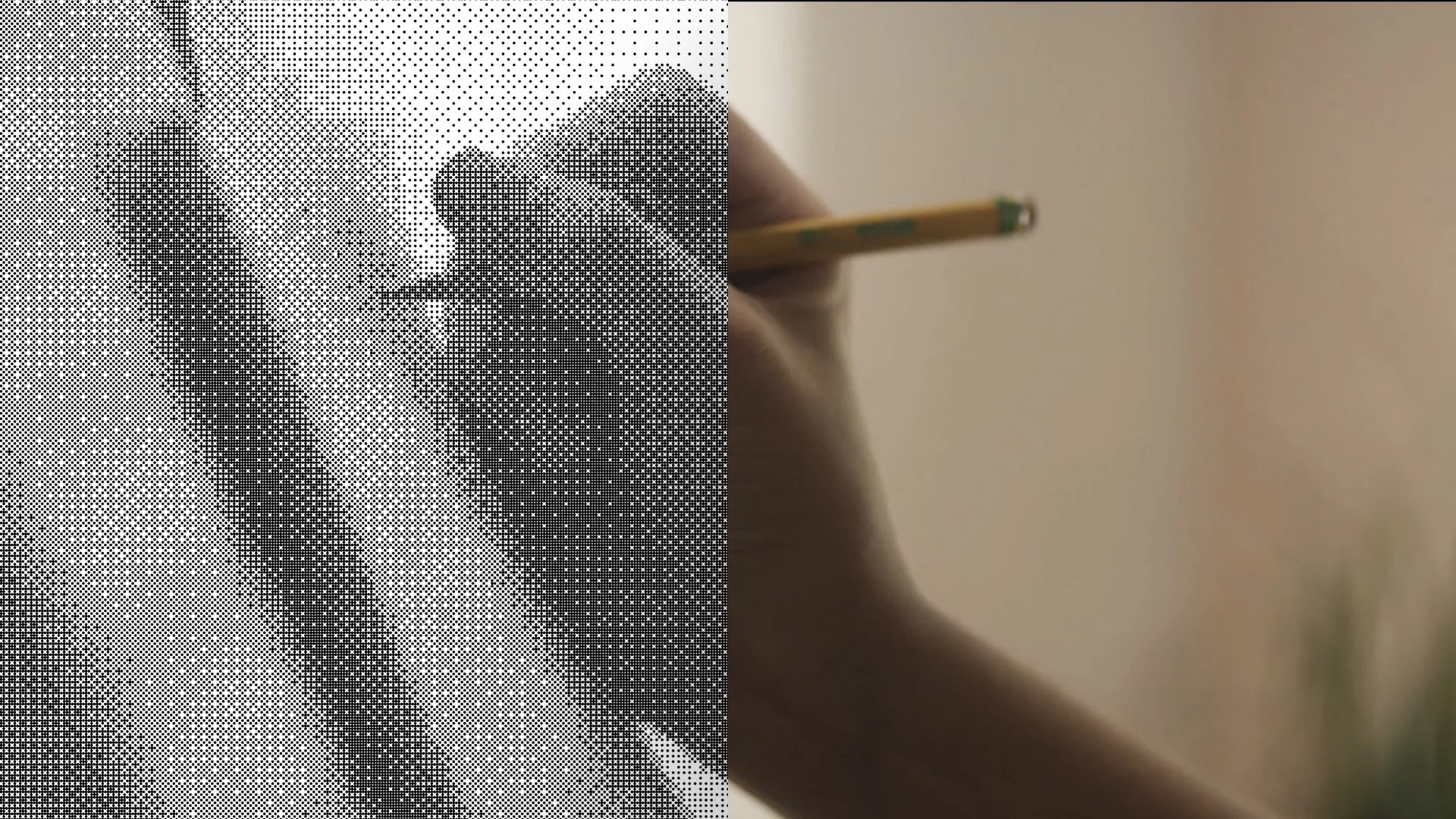
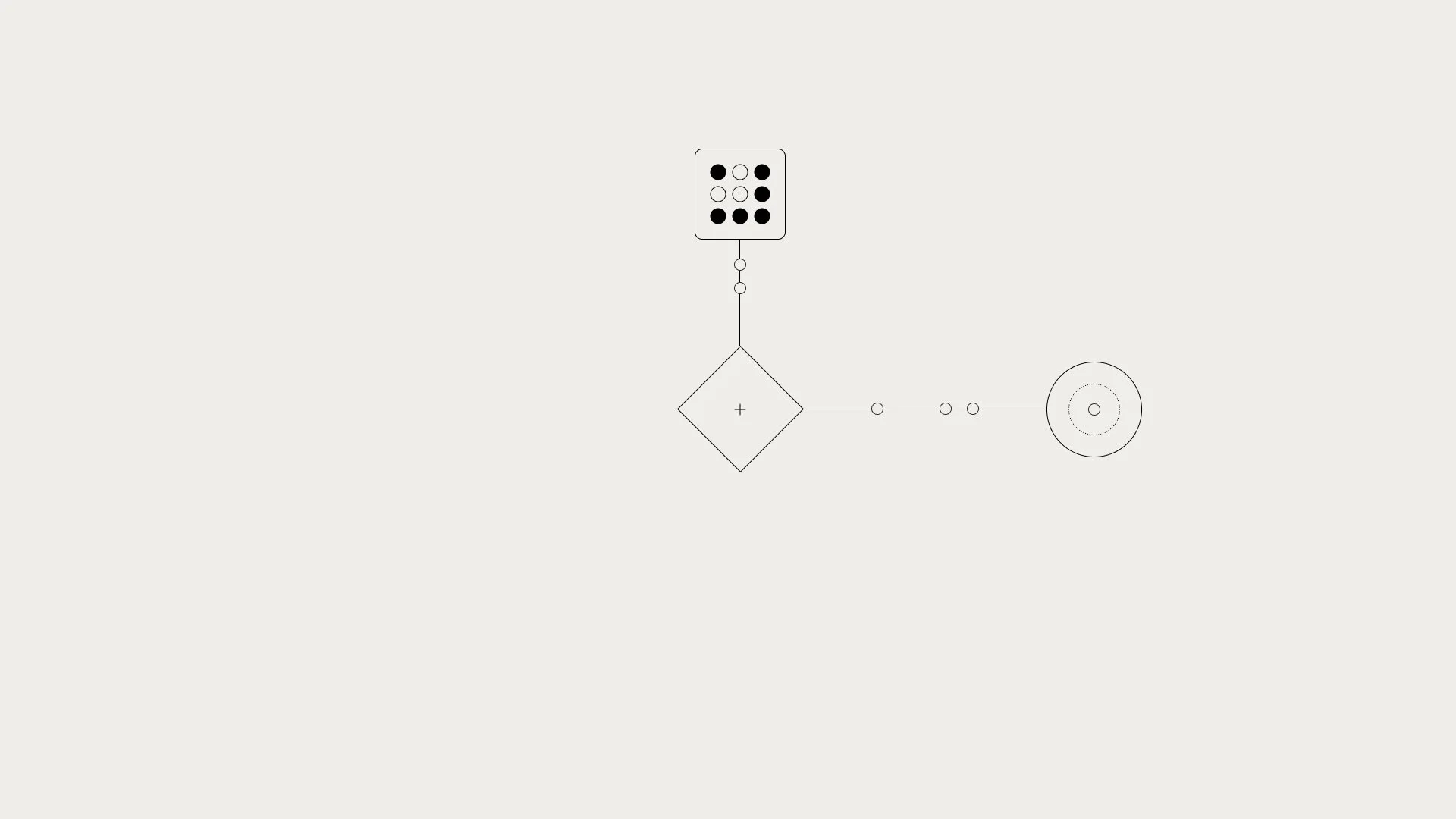
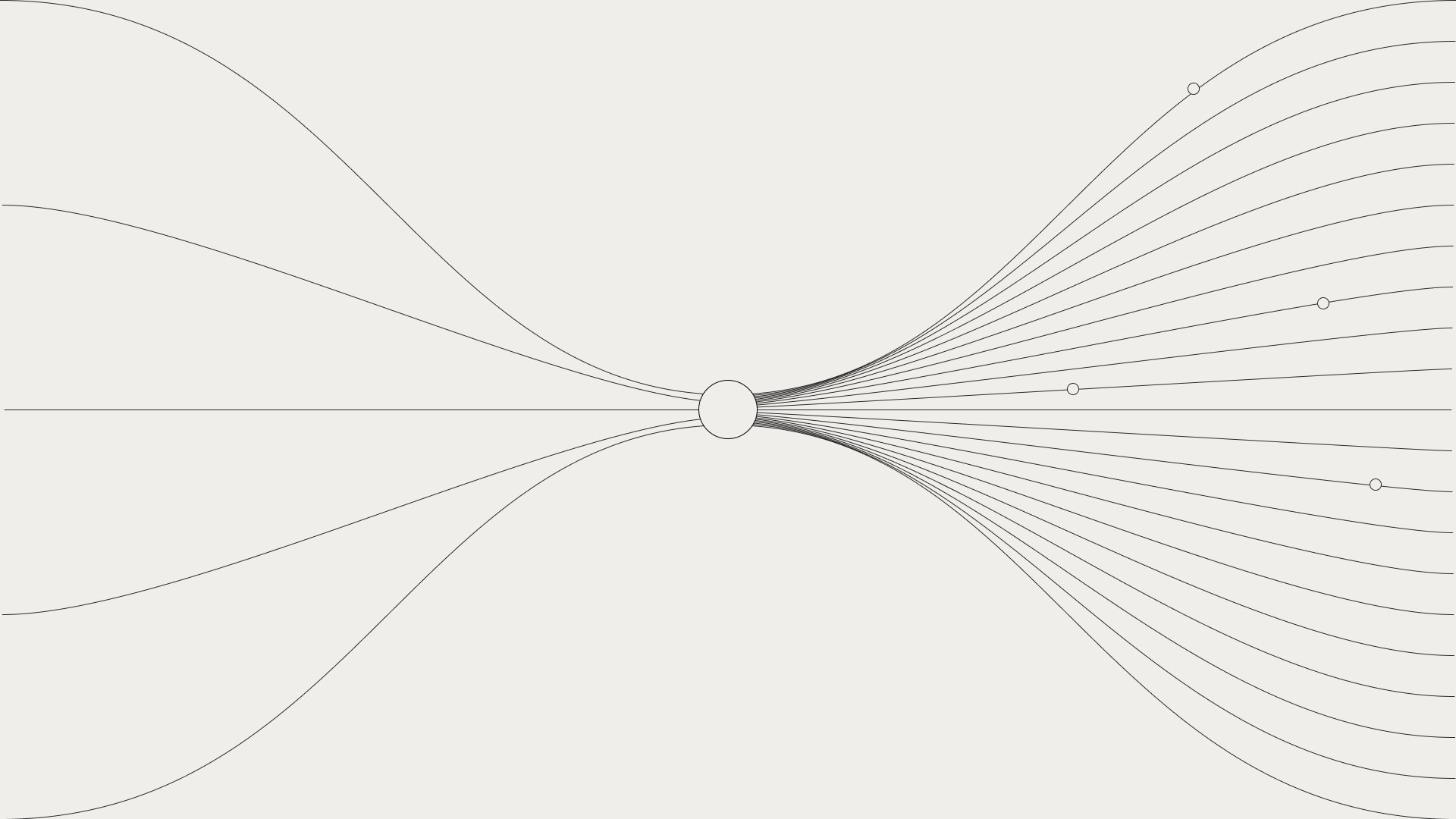
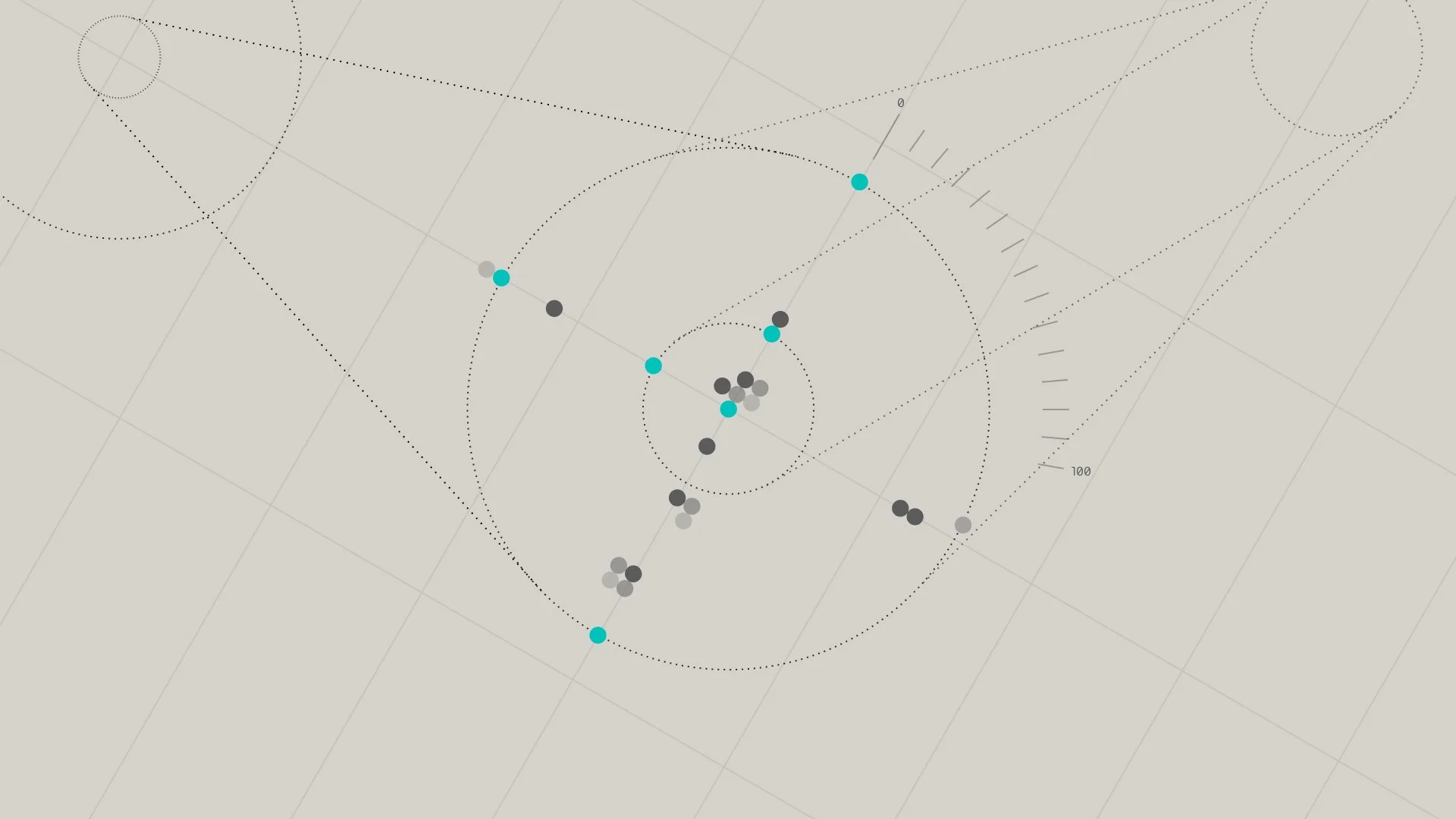
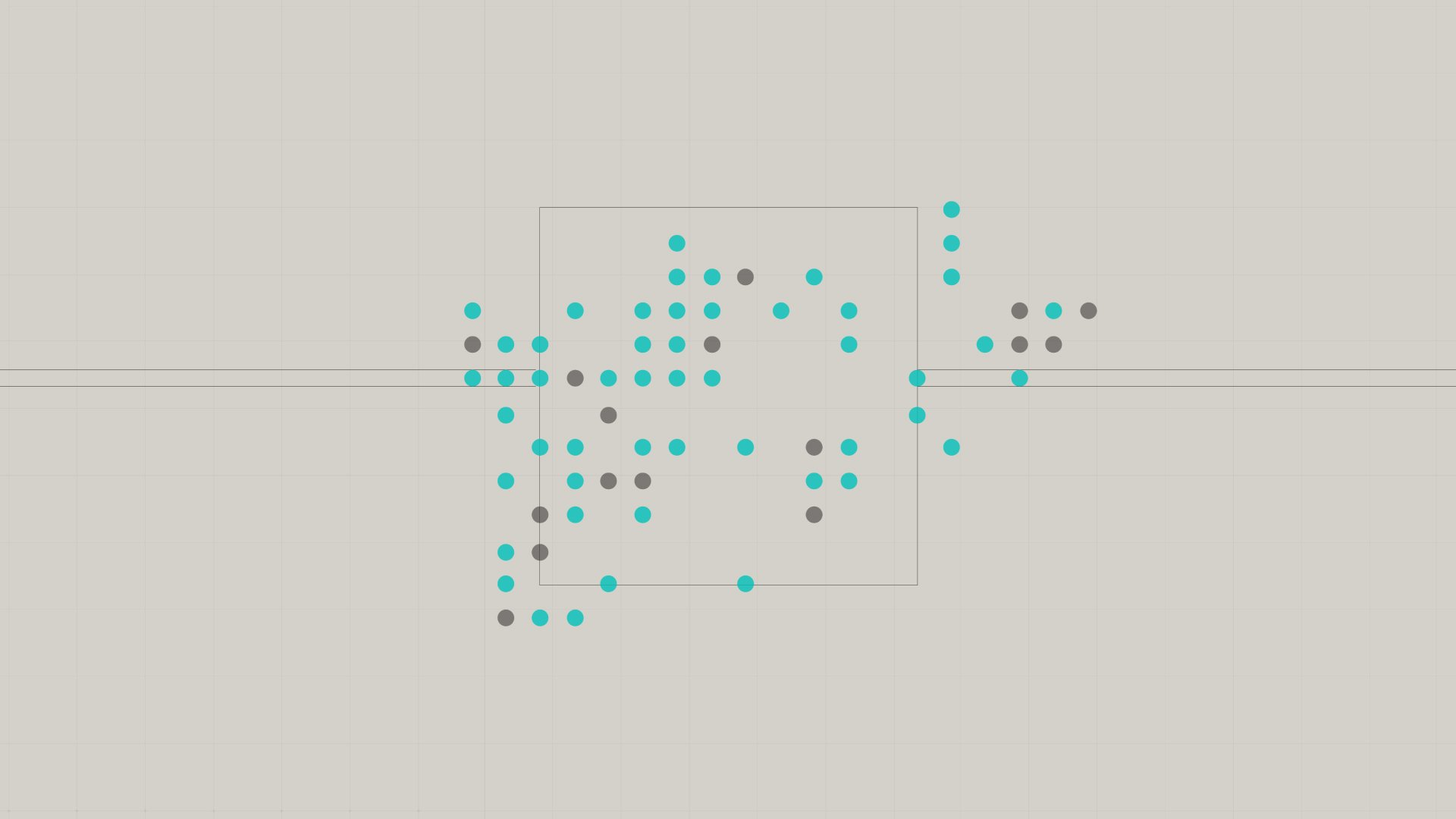
The challenge was making complex security systems simple without making them literal. The answer was data visualization built on the grid. The dot system from Digit’s eyes becomes signals passed between machines, particle clouds of protected data and lines converging into a verified network. Kinetic type parses and resolves on screen. The grid also filters live footage, so a robot walking a warehouse aisle breaks apart into what it perceives. That suggests machine perception without turning into a literal camera effect.
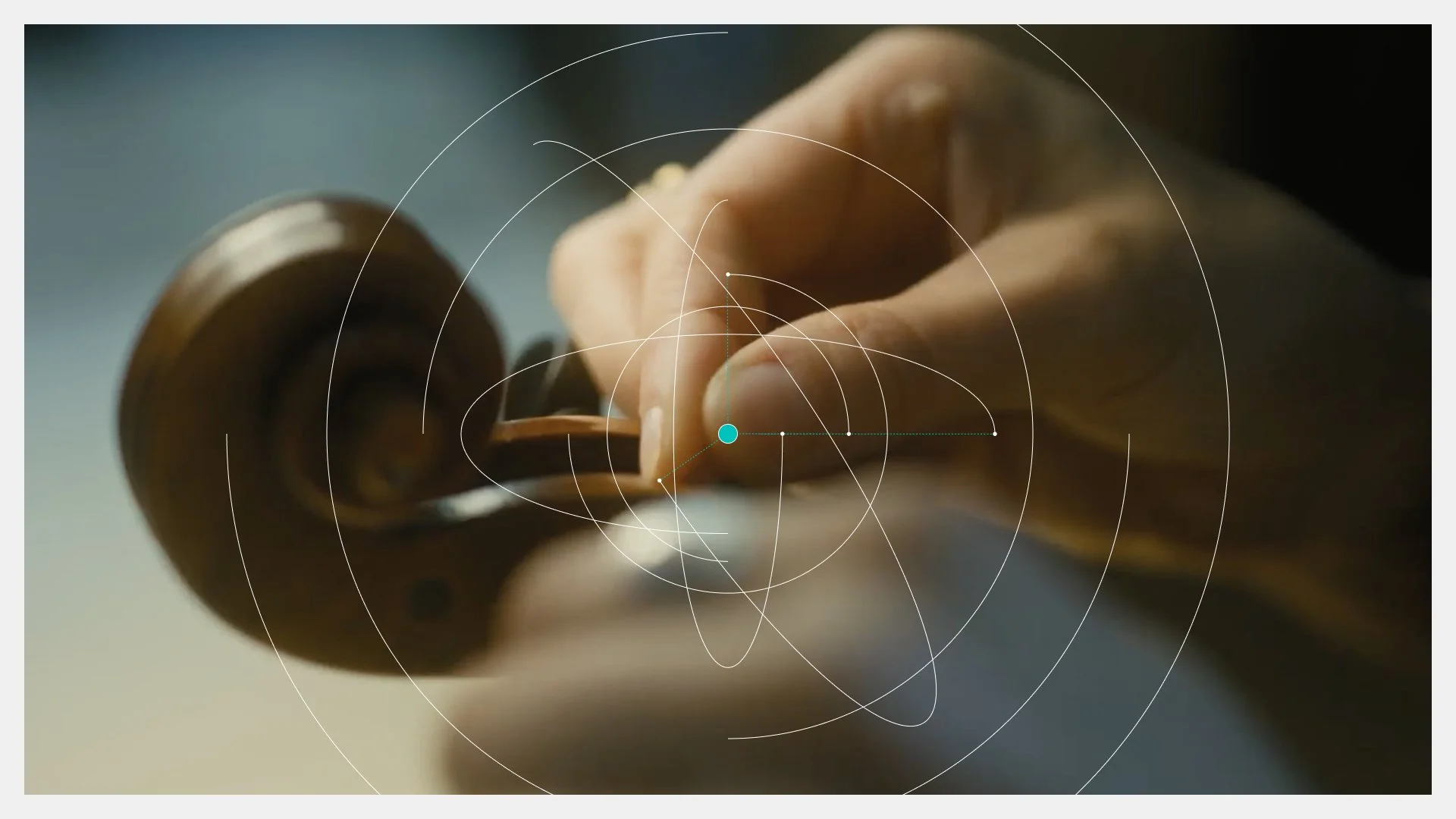
The live action contrasts shared human environments with the craft behind the hardware. Agility’s own build floor, material detail and hands at work show that every secure system is still crafted by people. A fast, layered edit keeps a technical subject moving, with graphic beats and interview moments cut to land together.
AI STACK
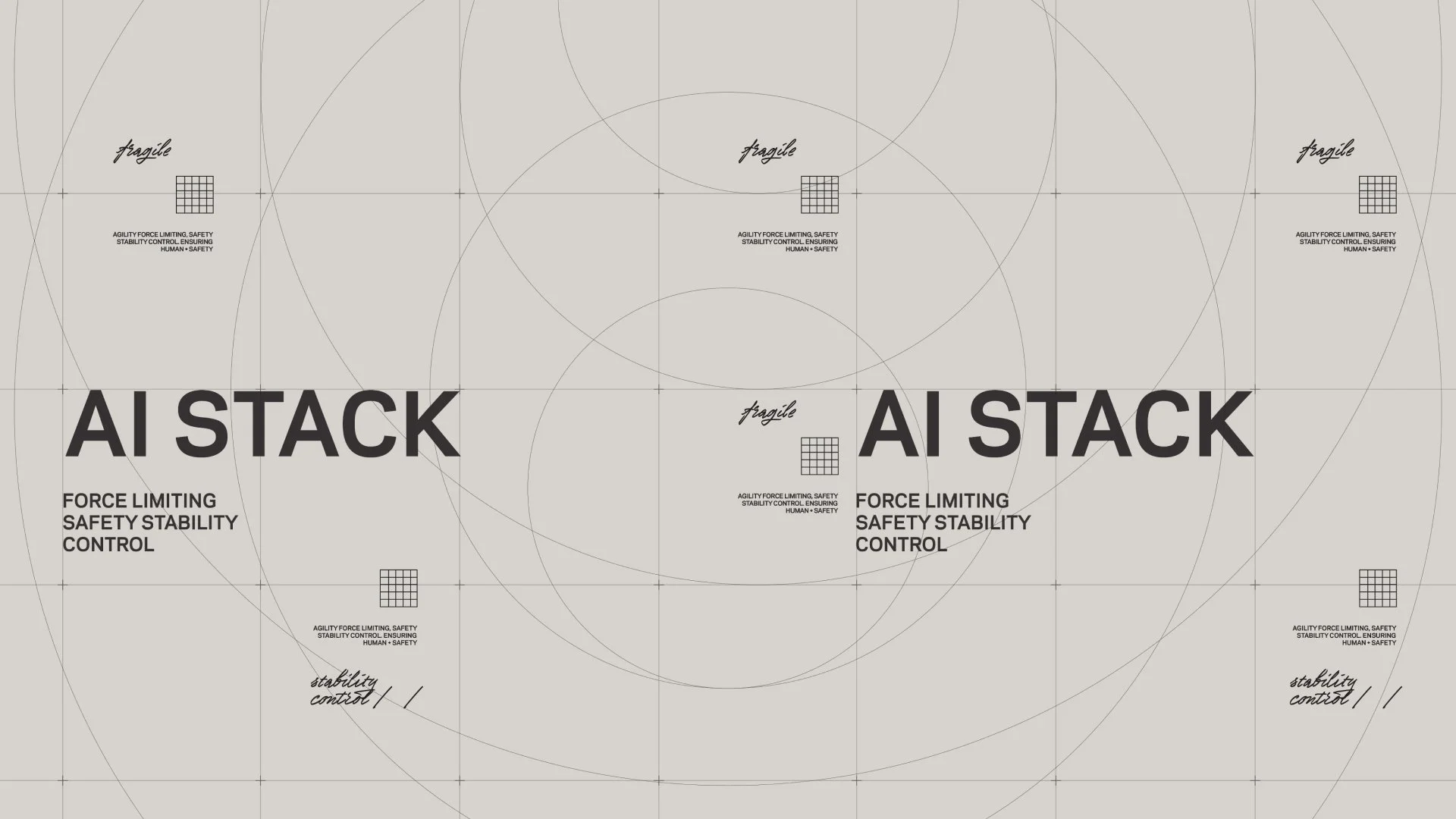
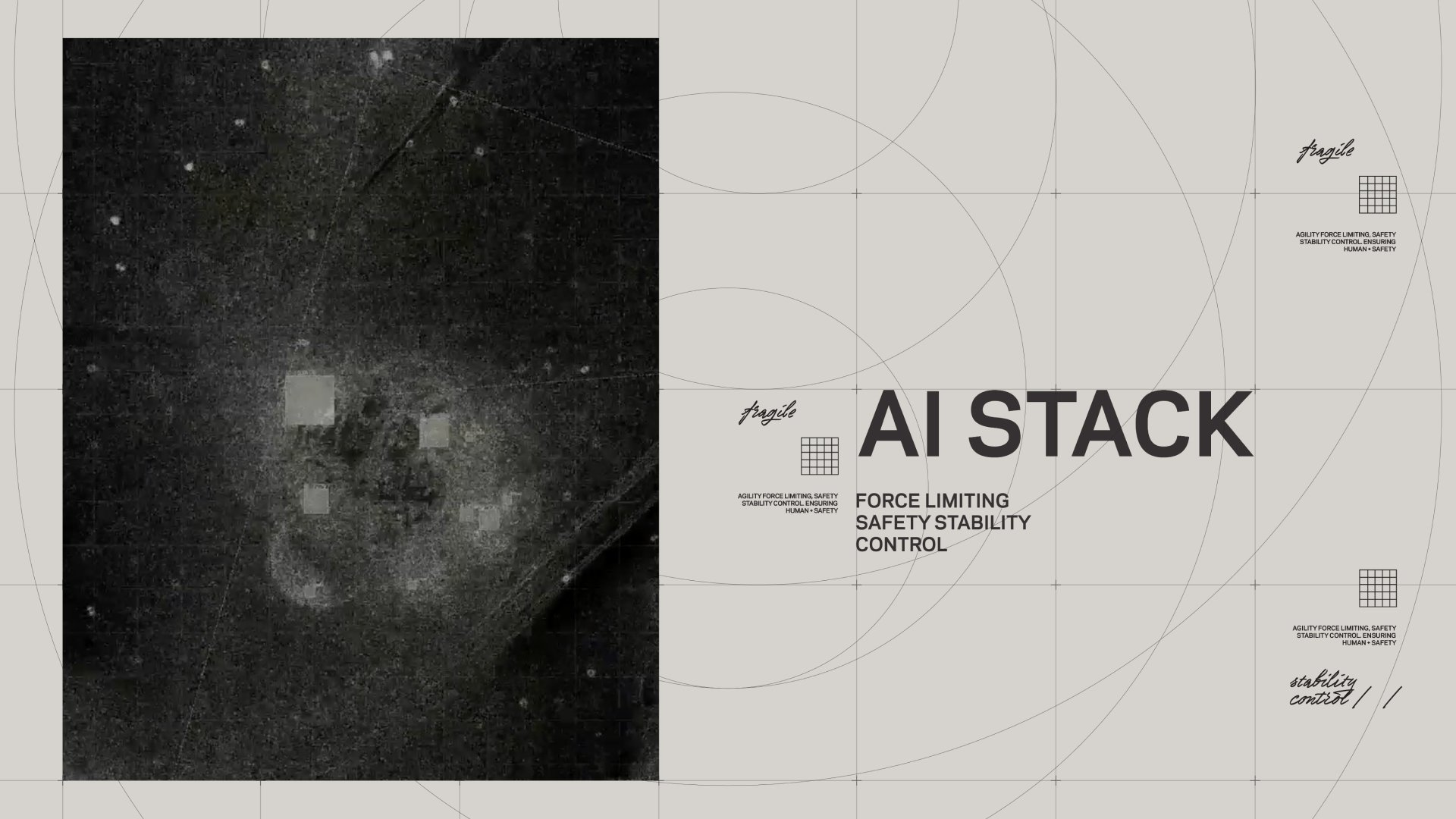
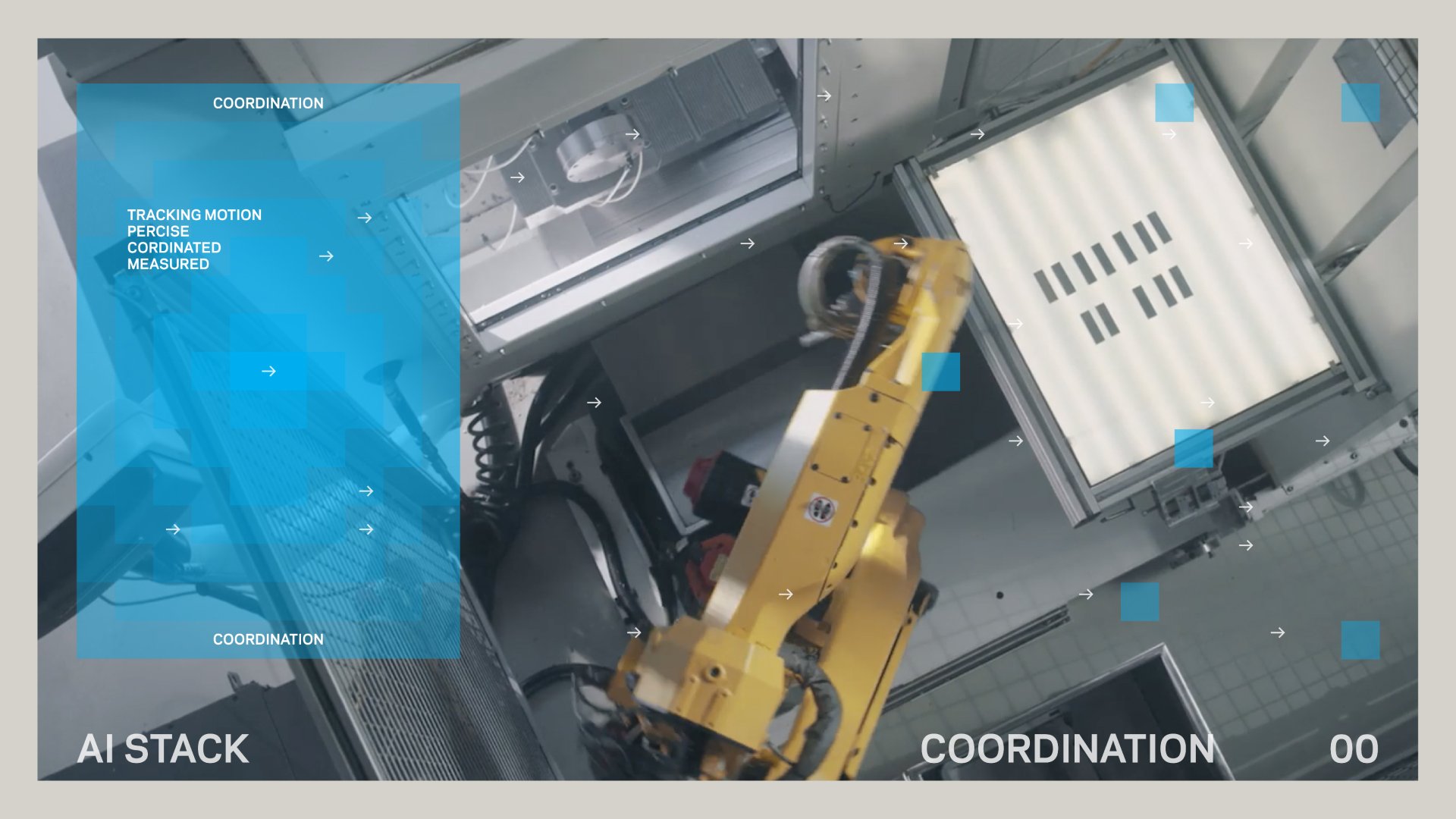
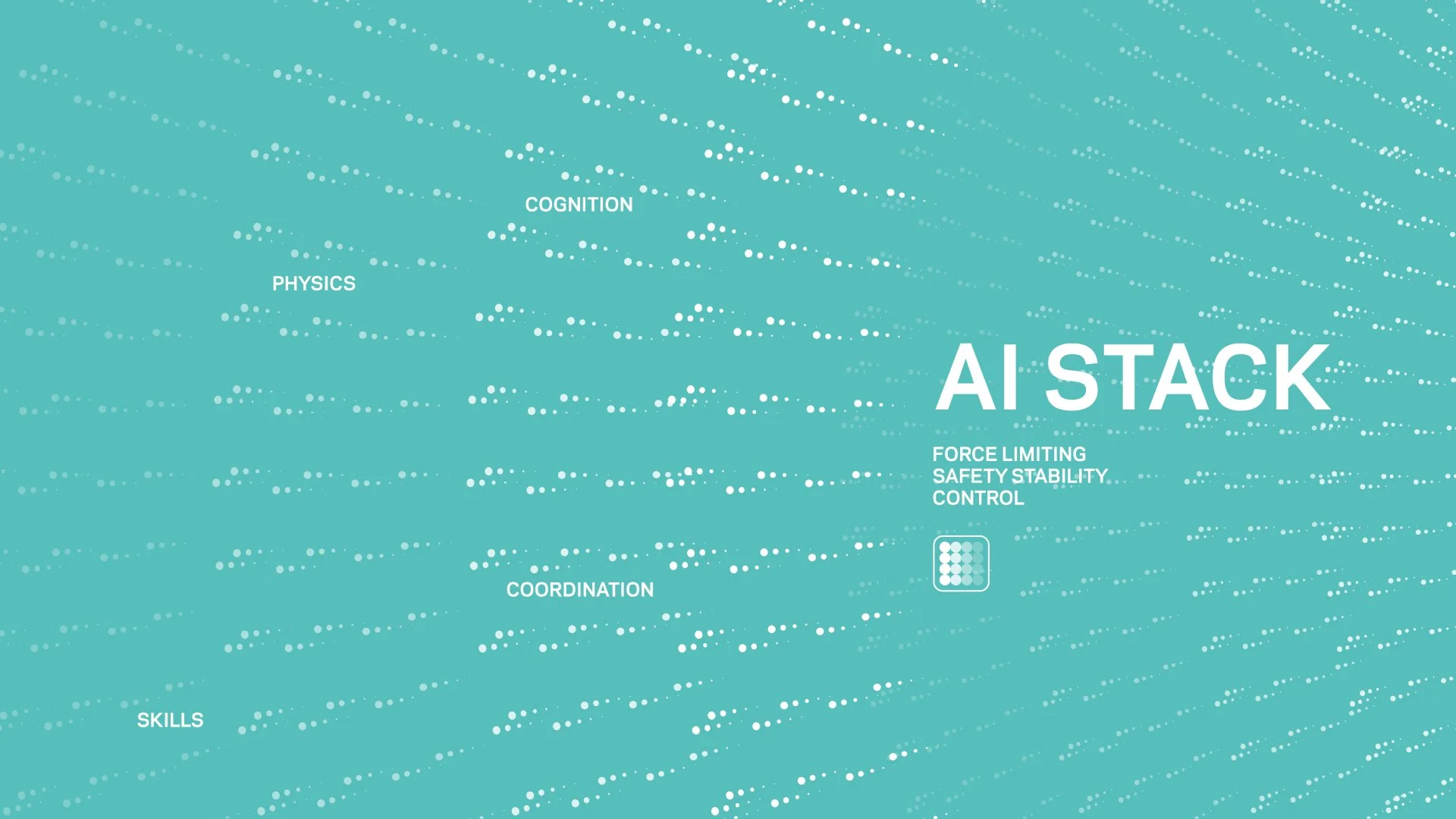
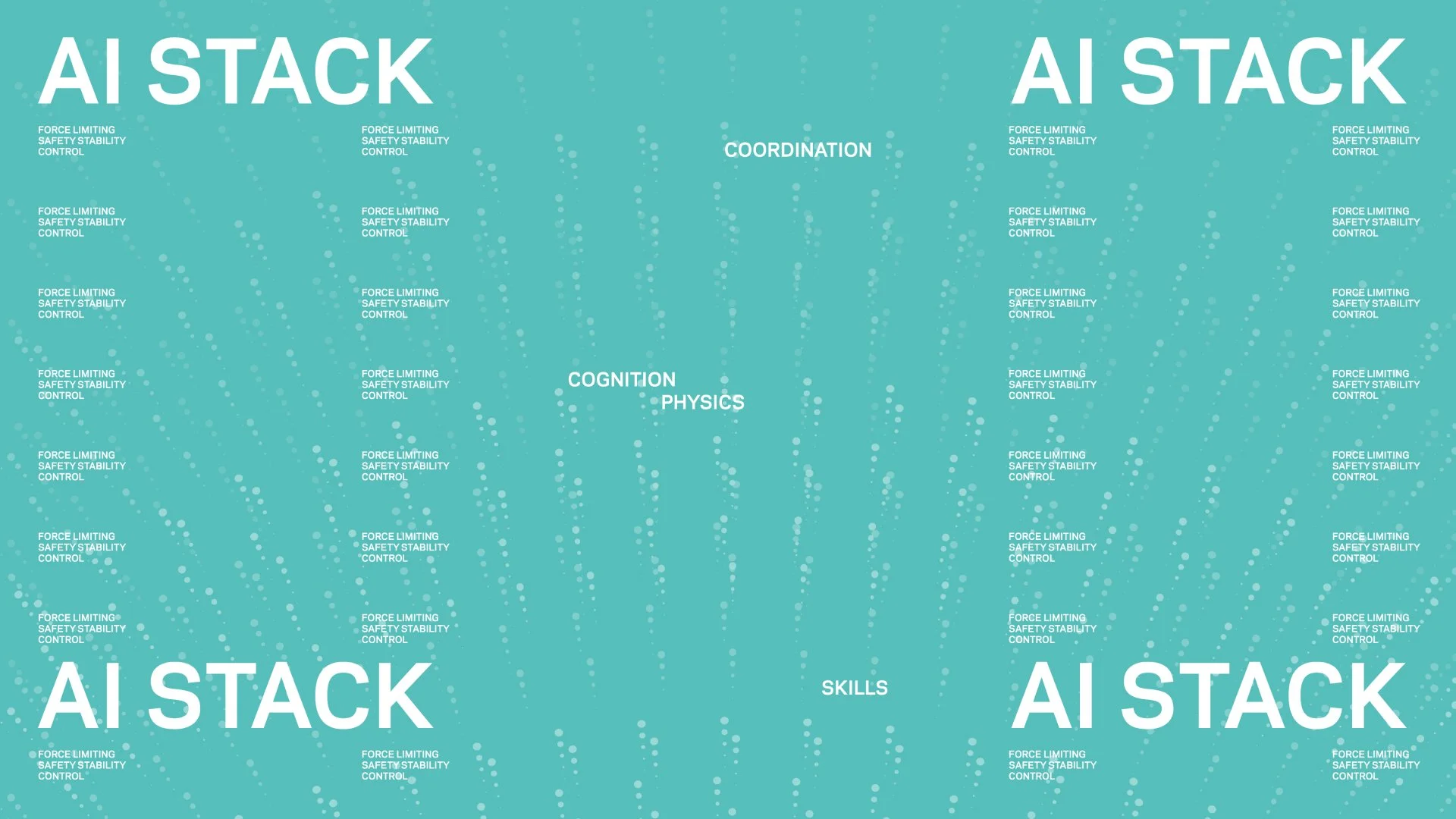
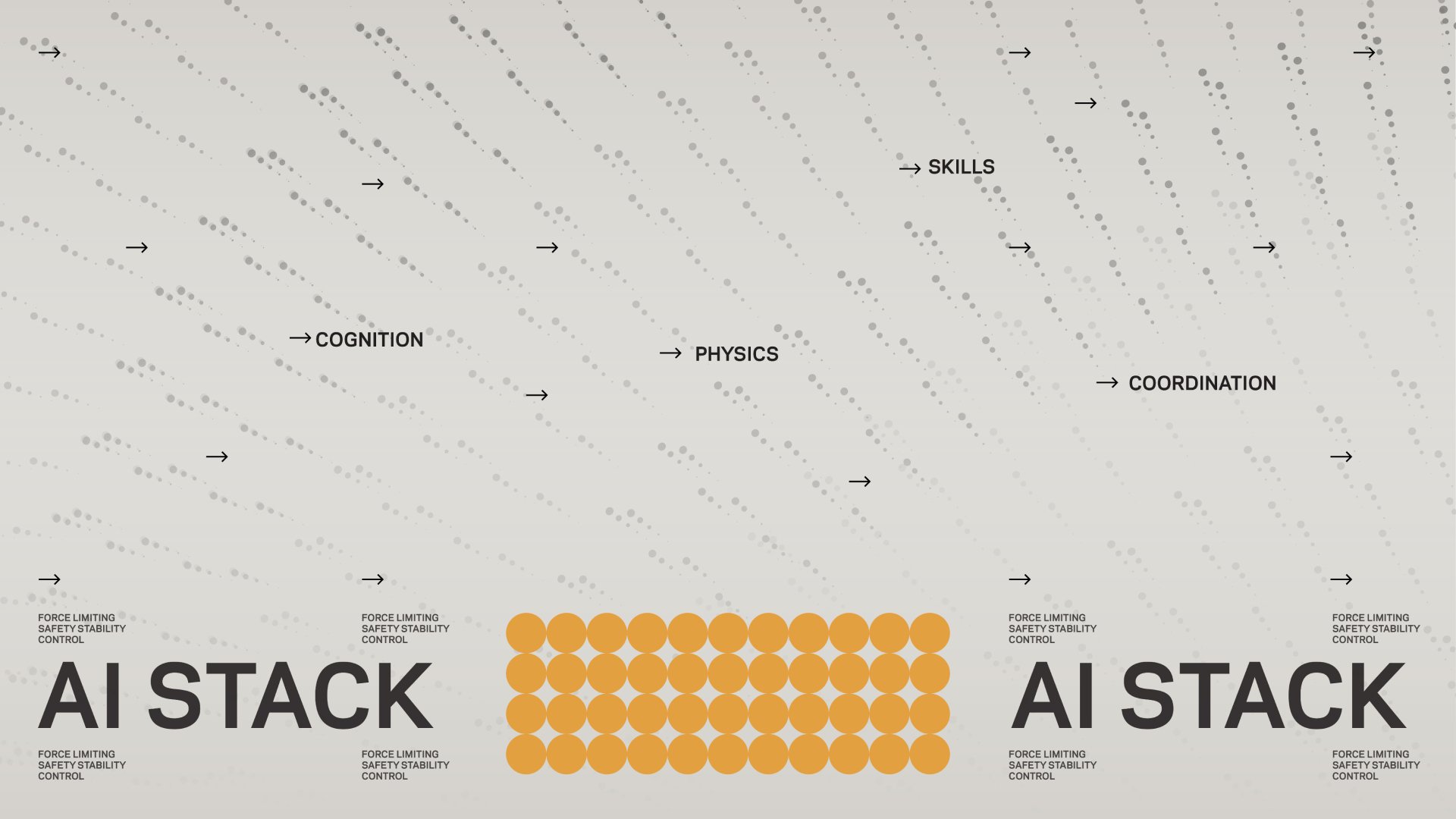
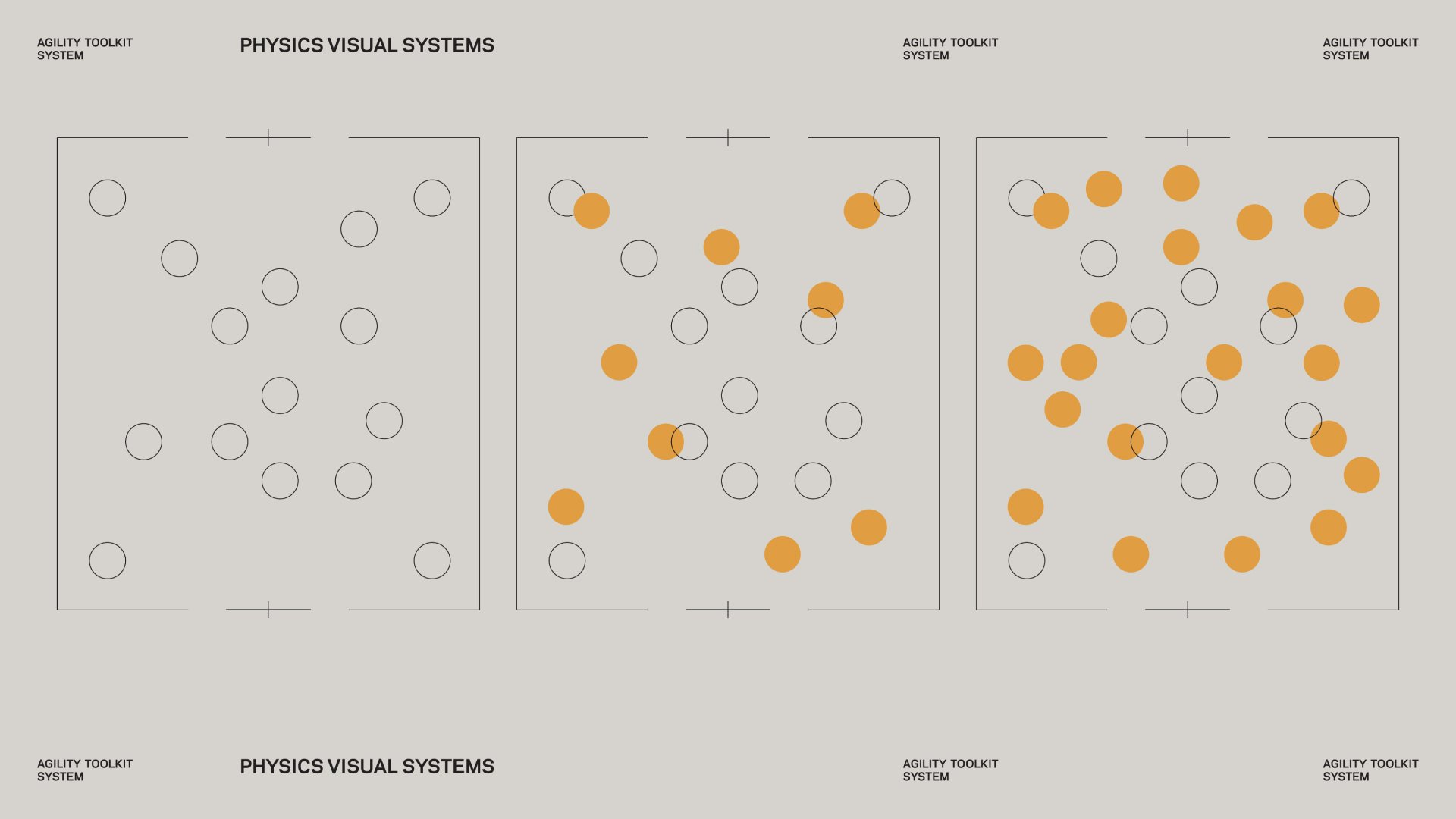
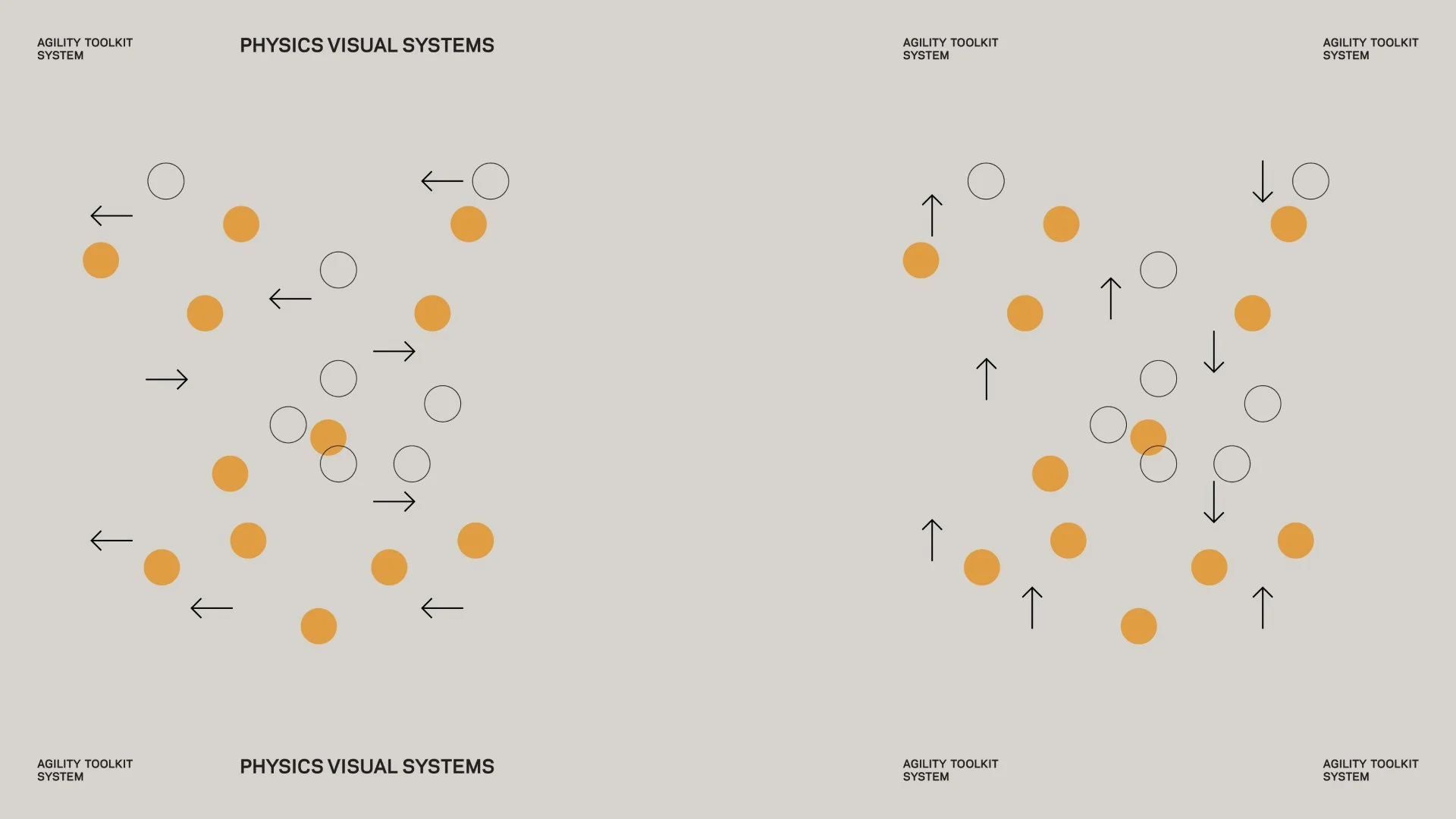
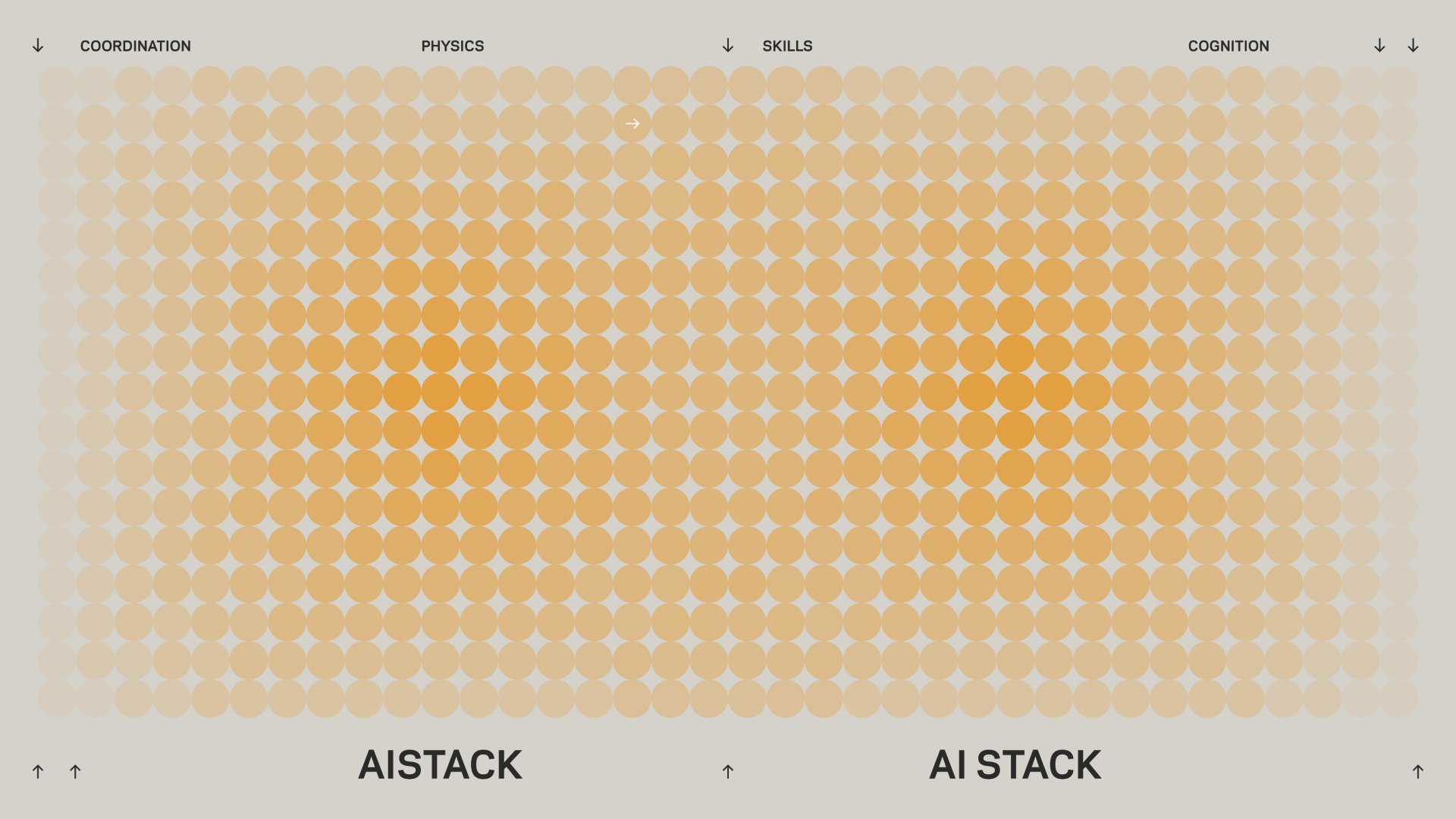
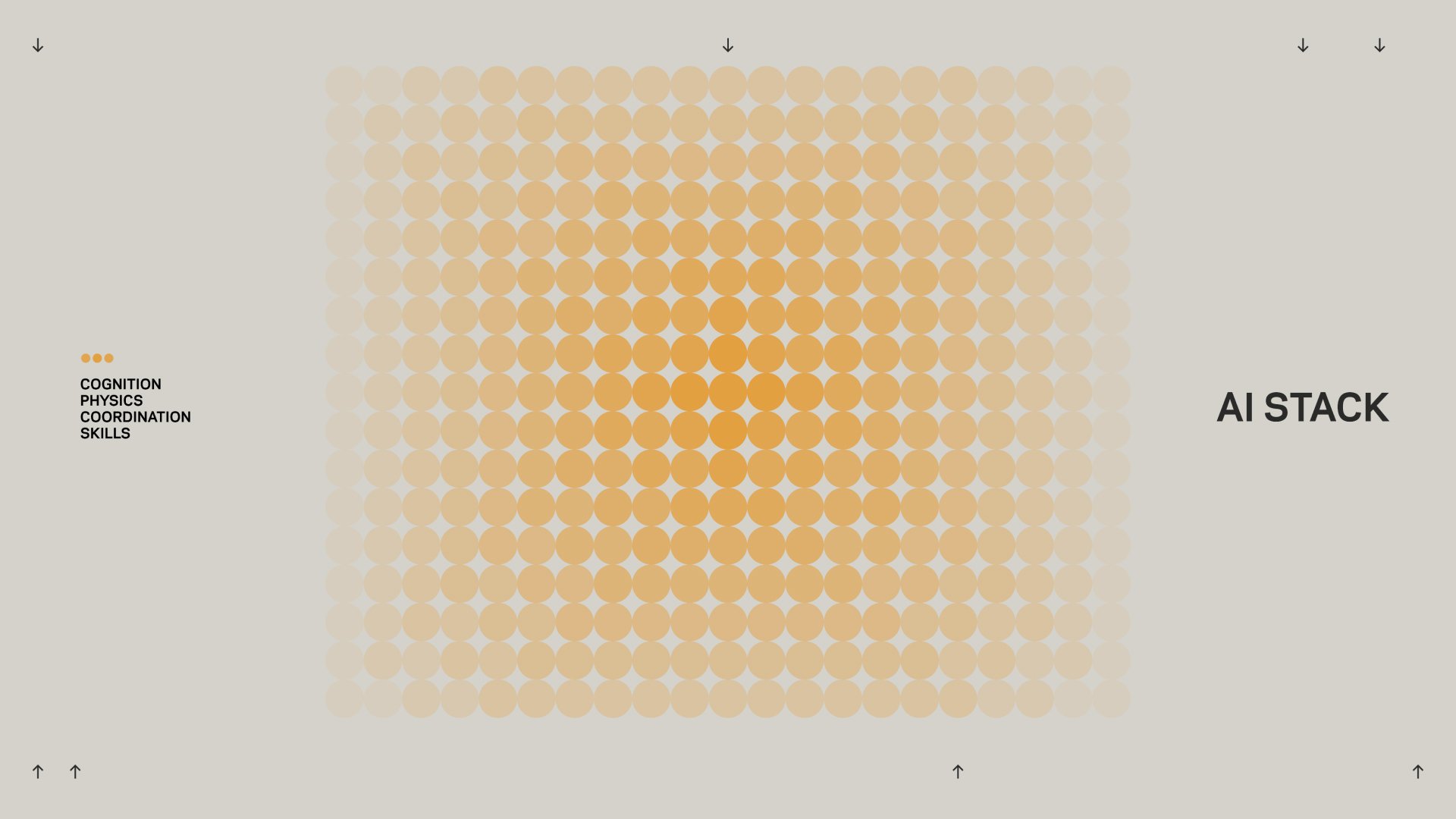
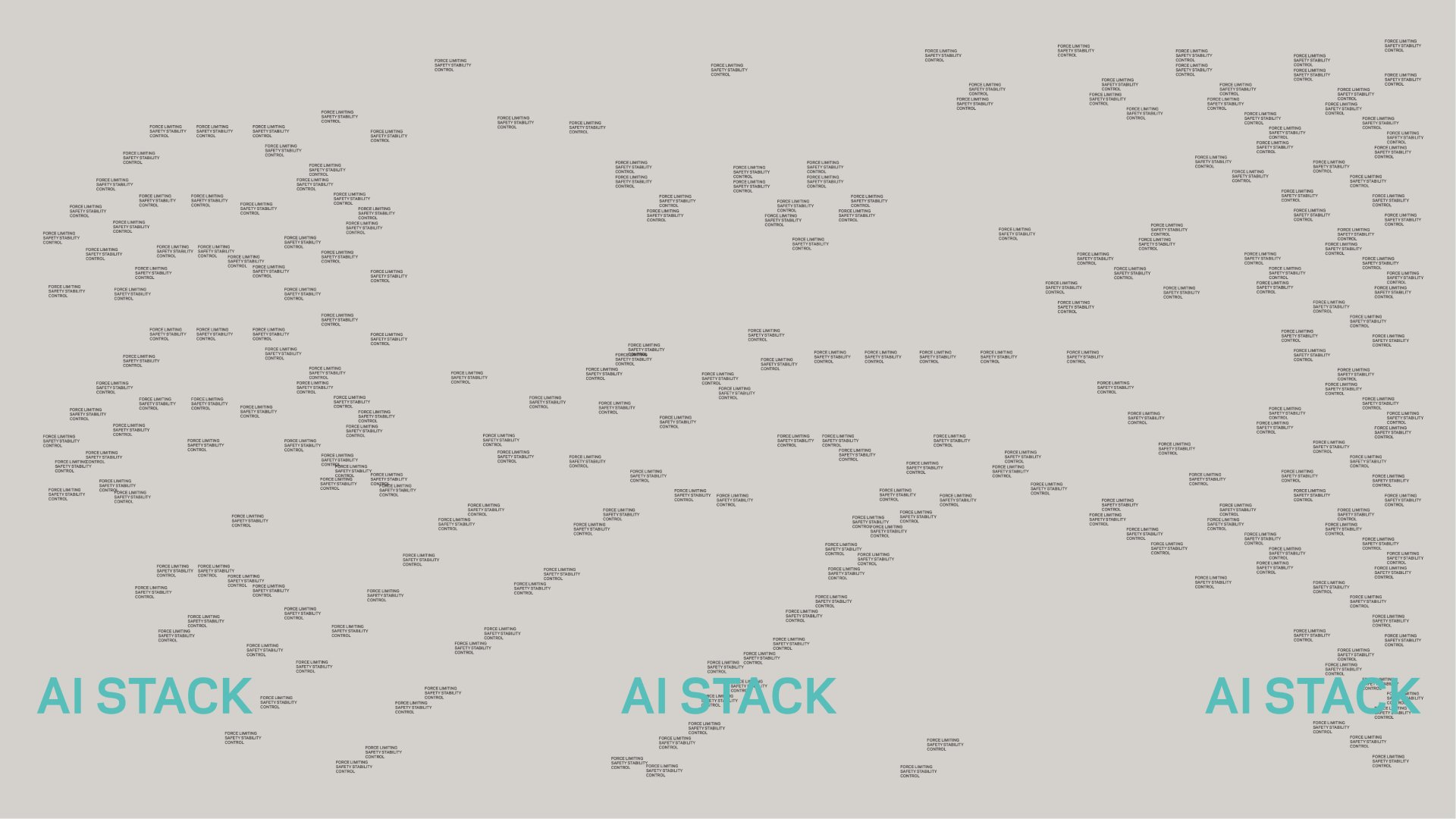
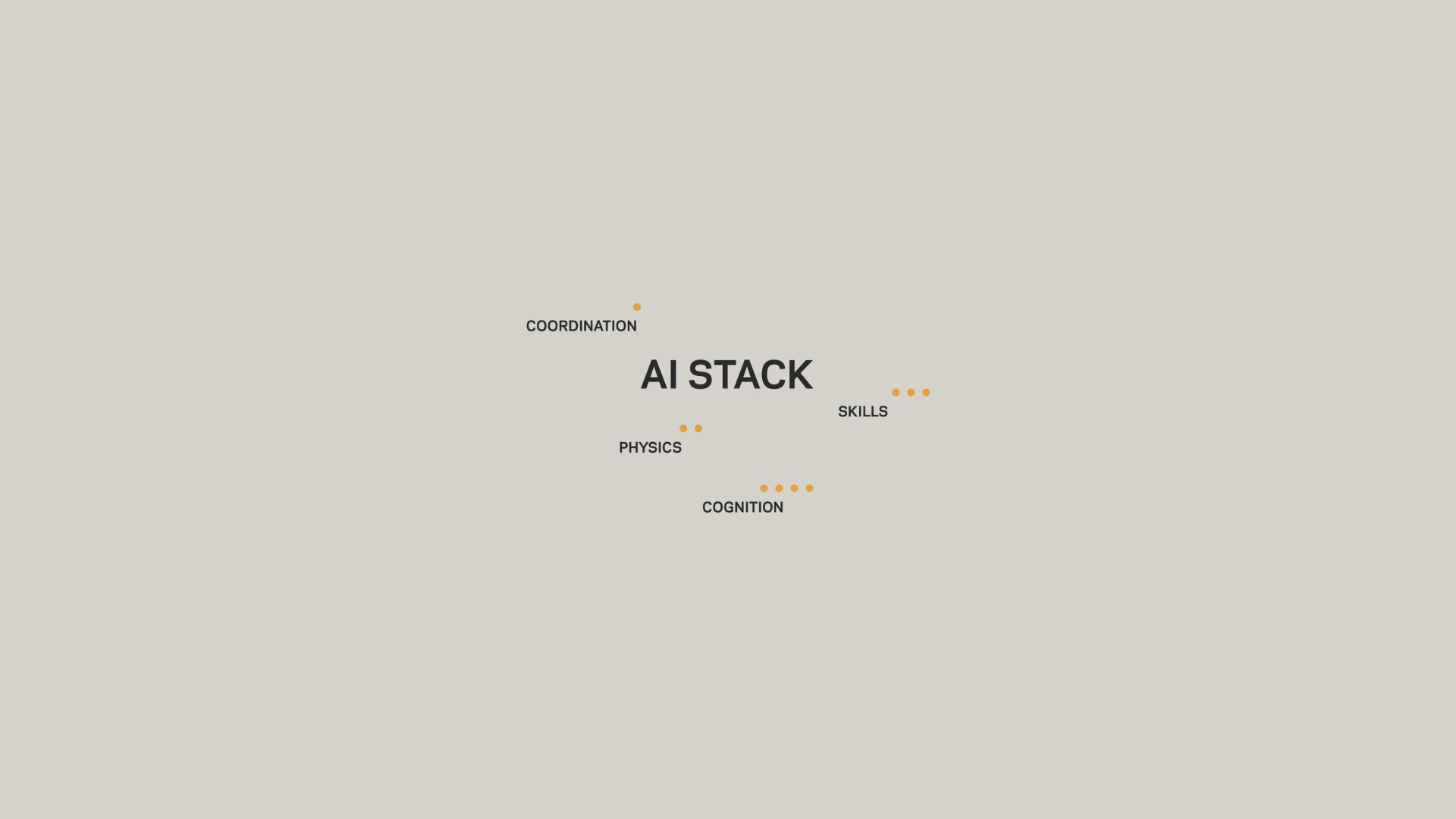
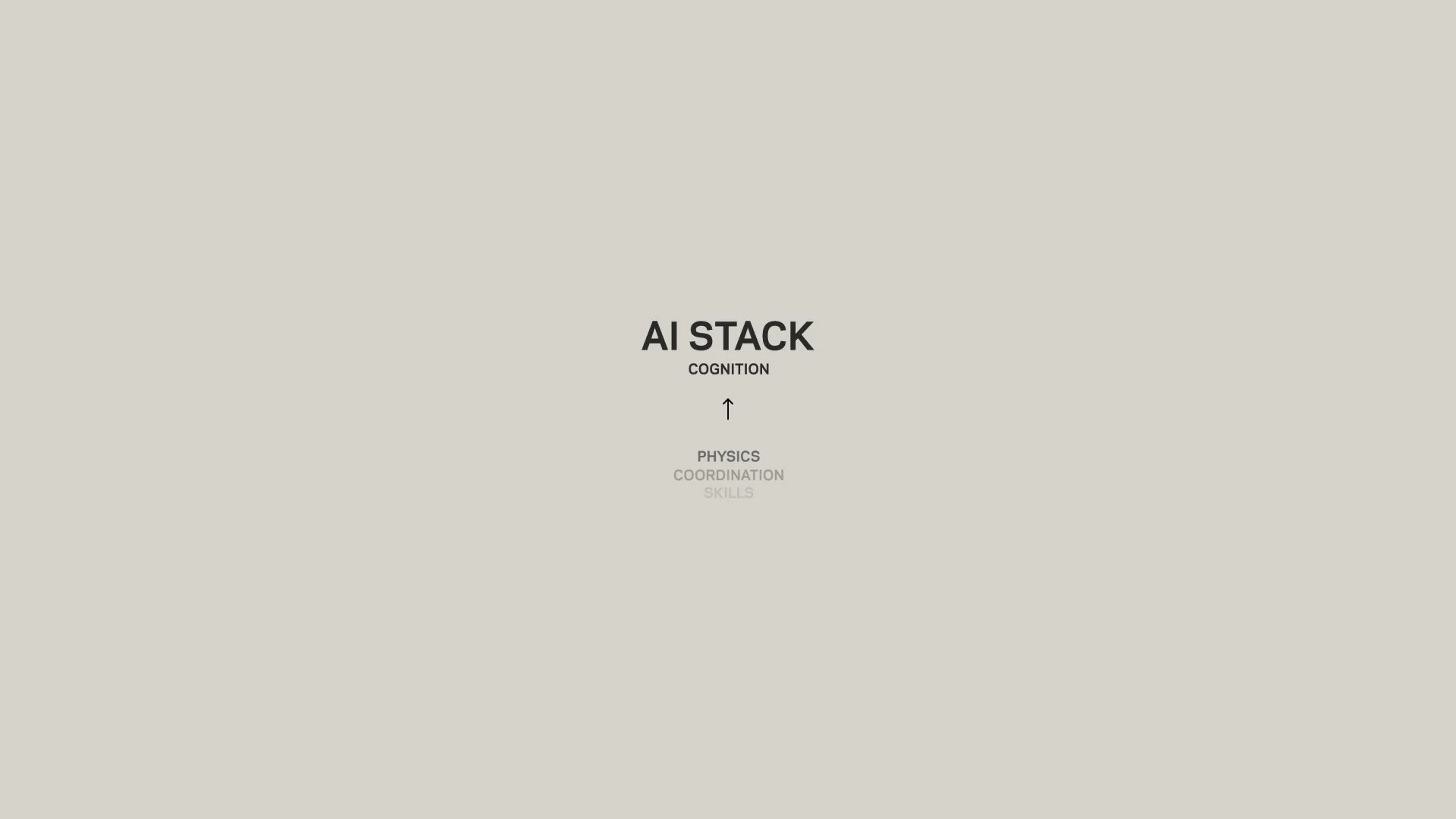
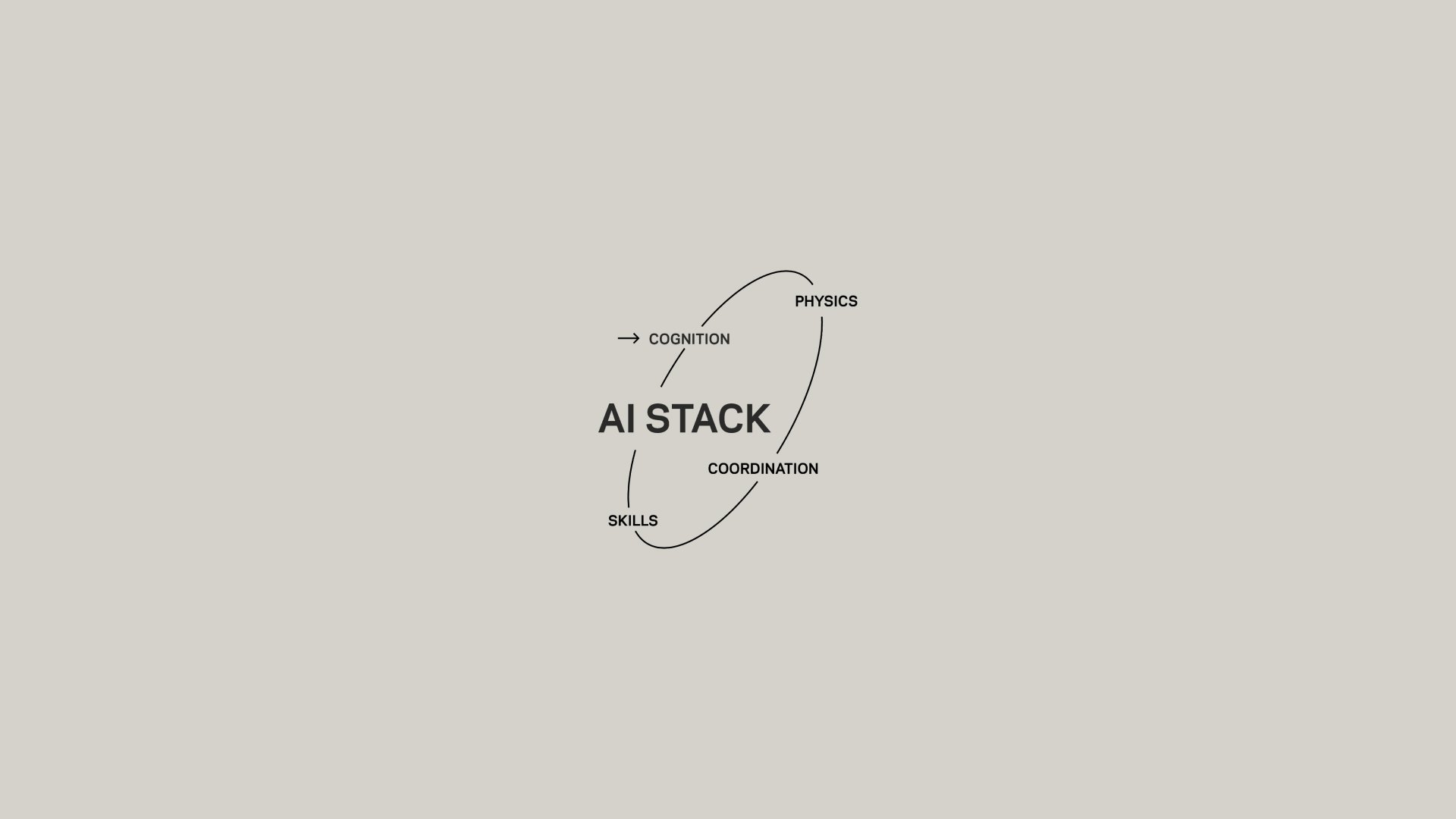
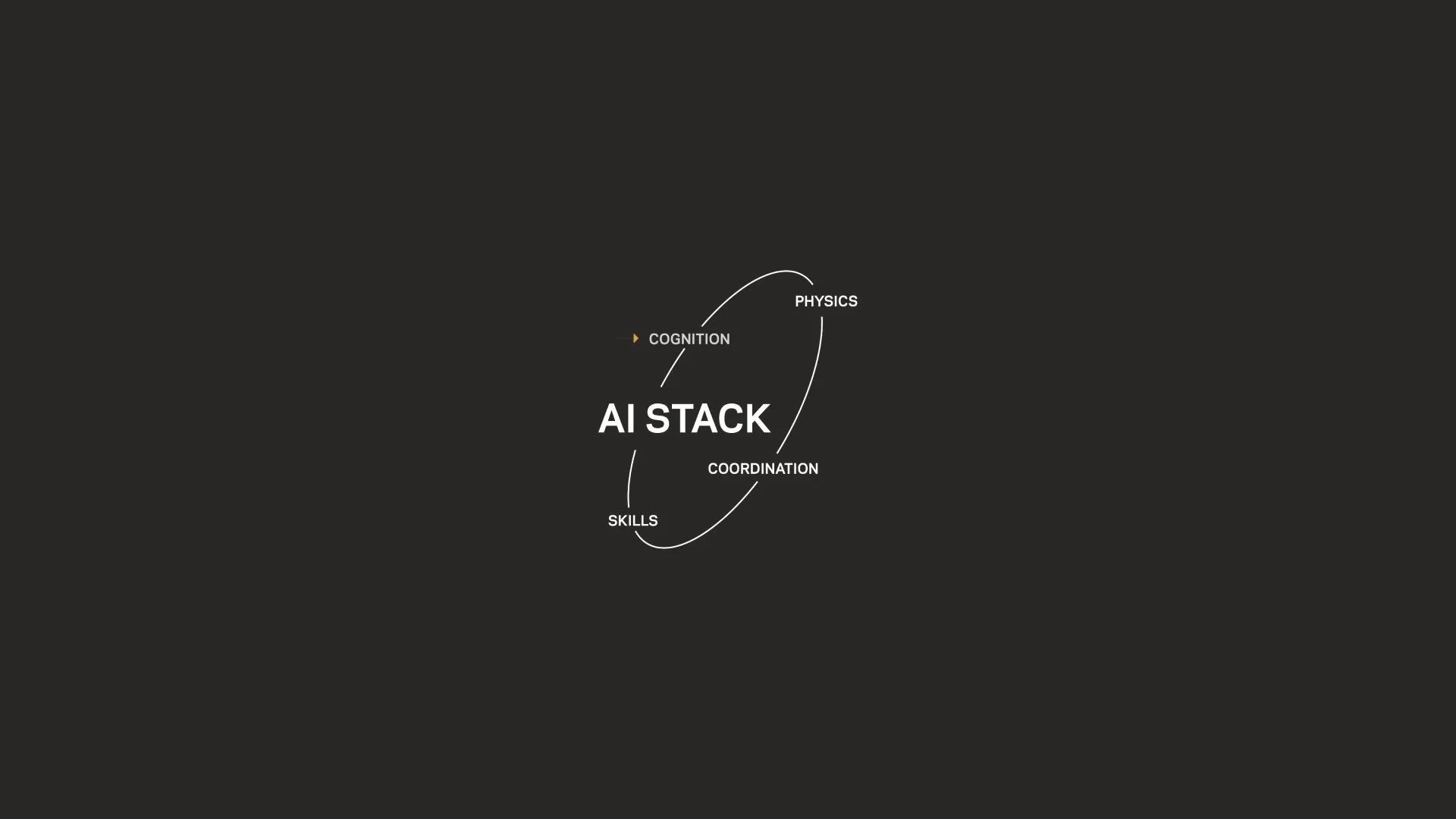
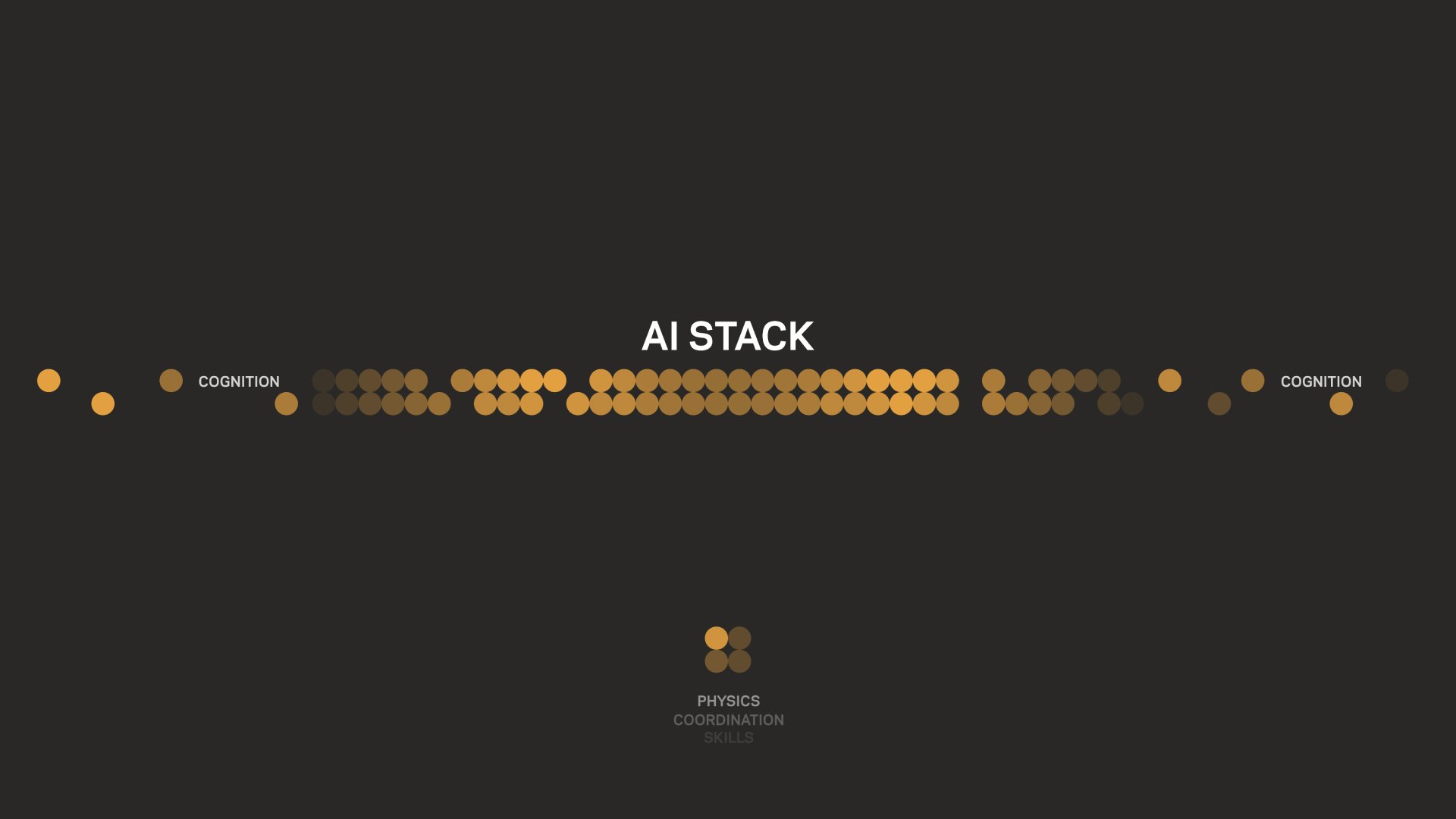
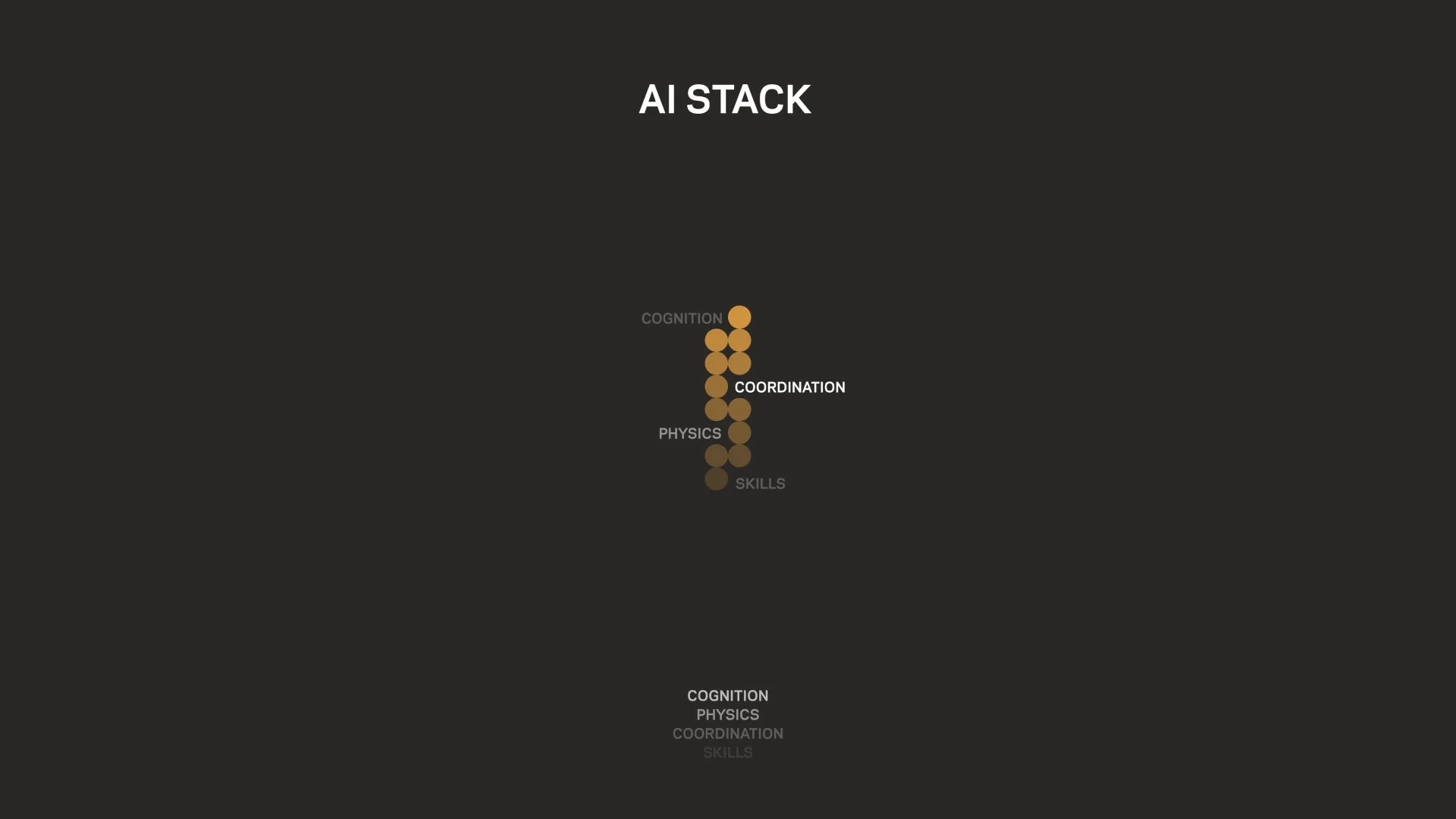
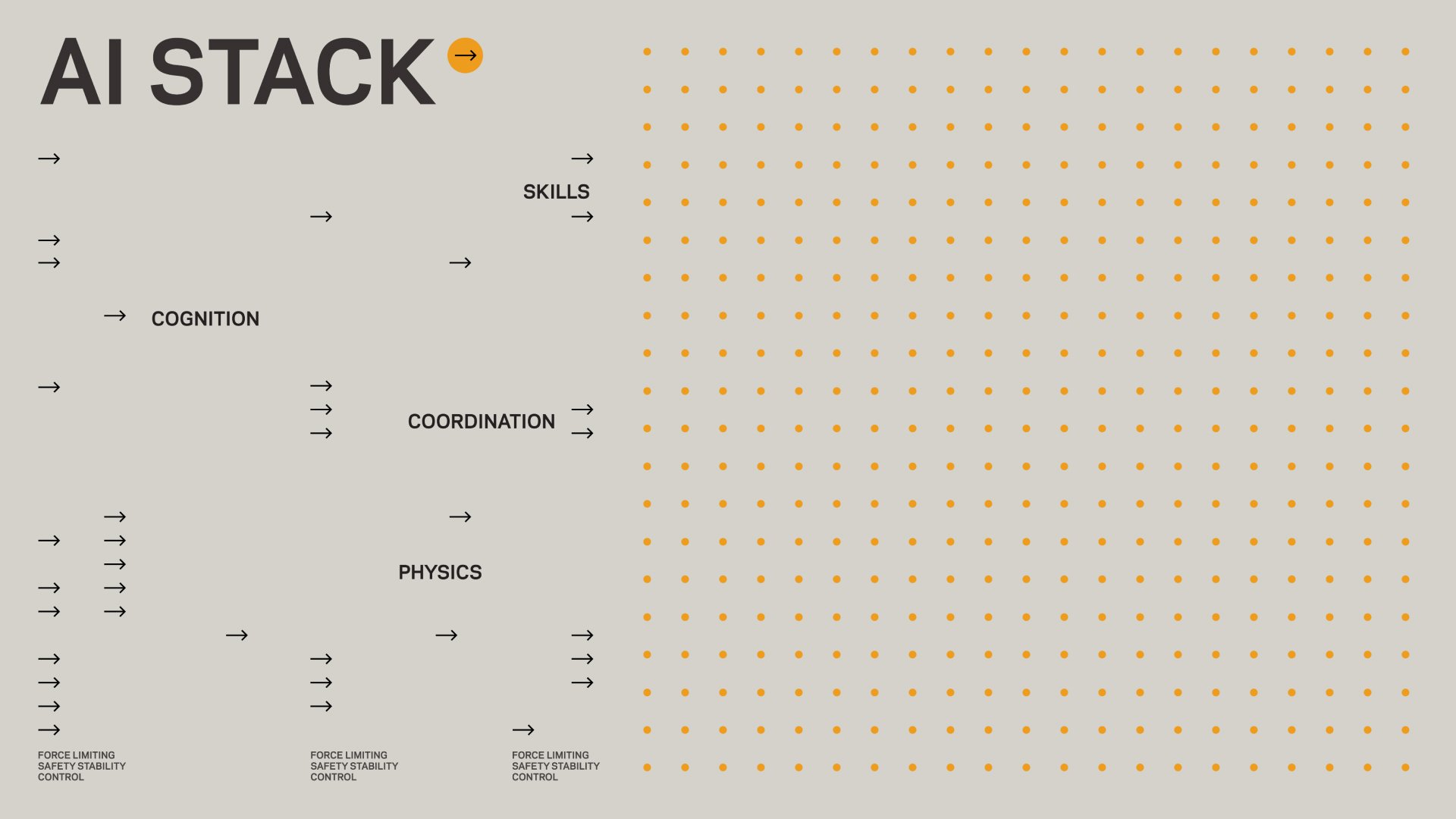
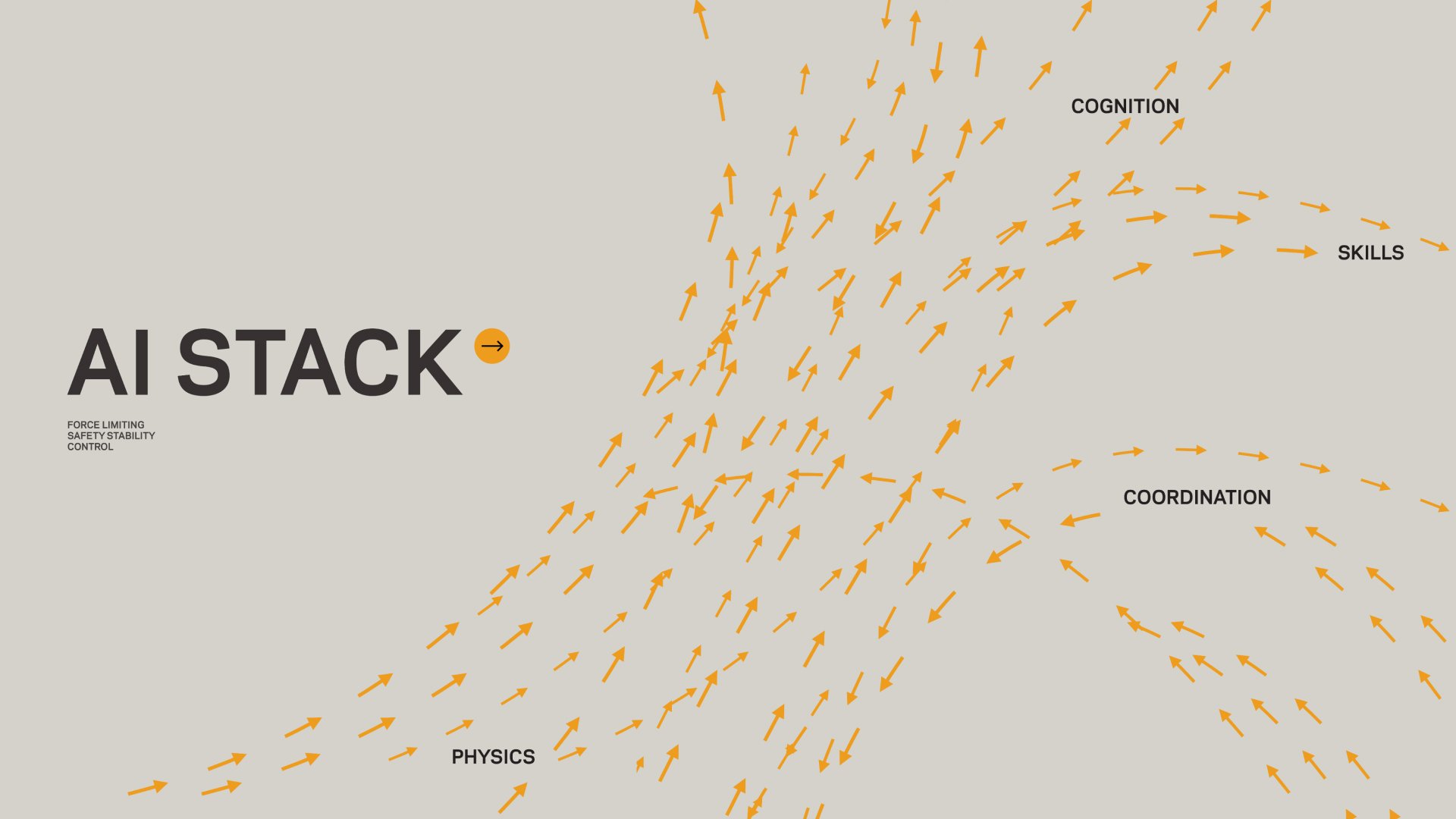
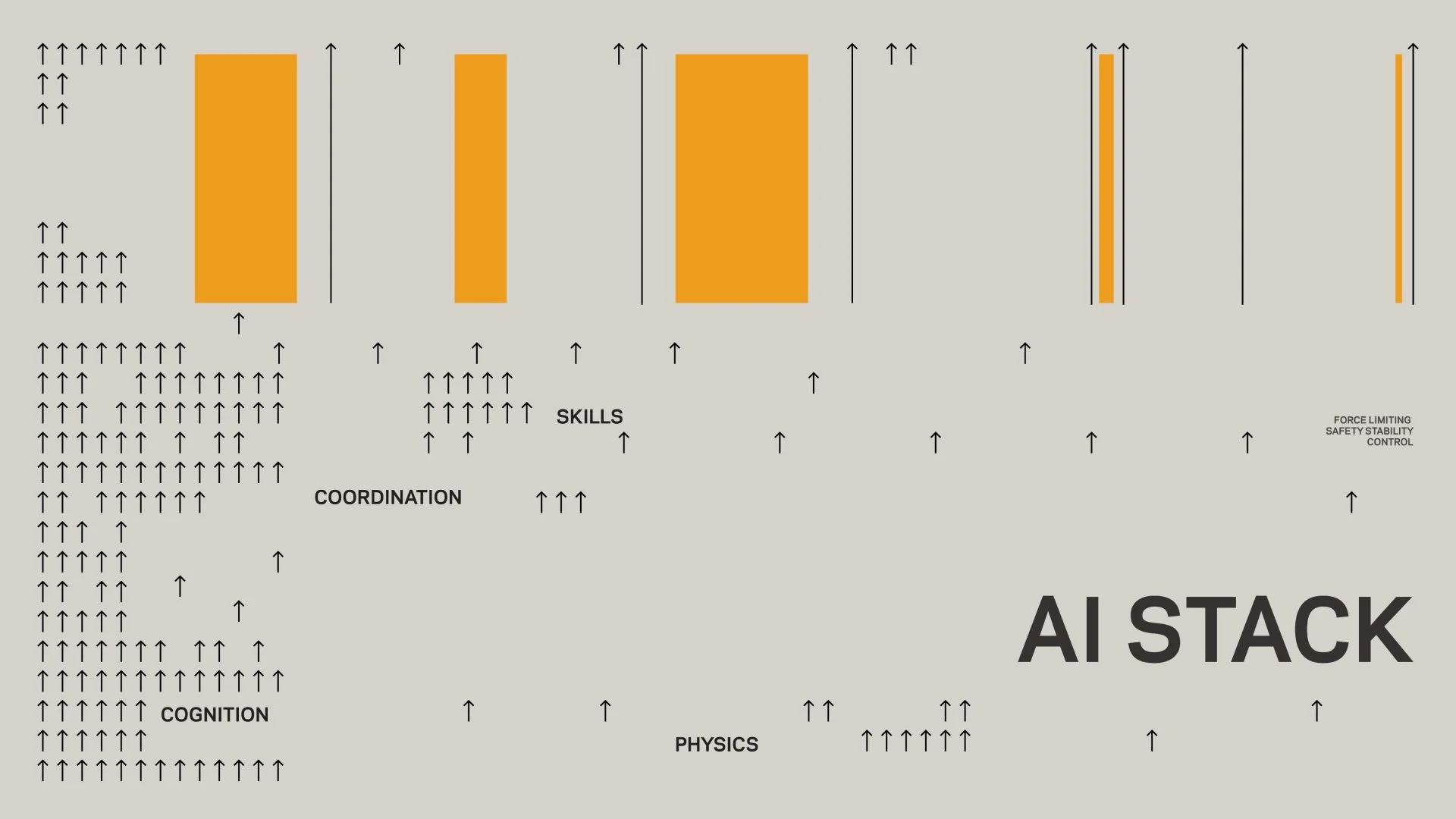
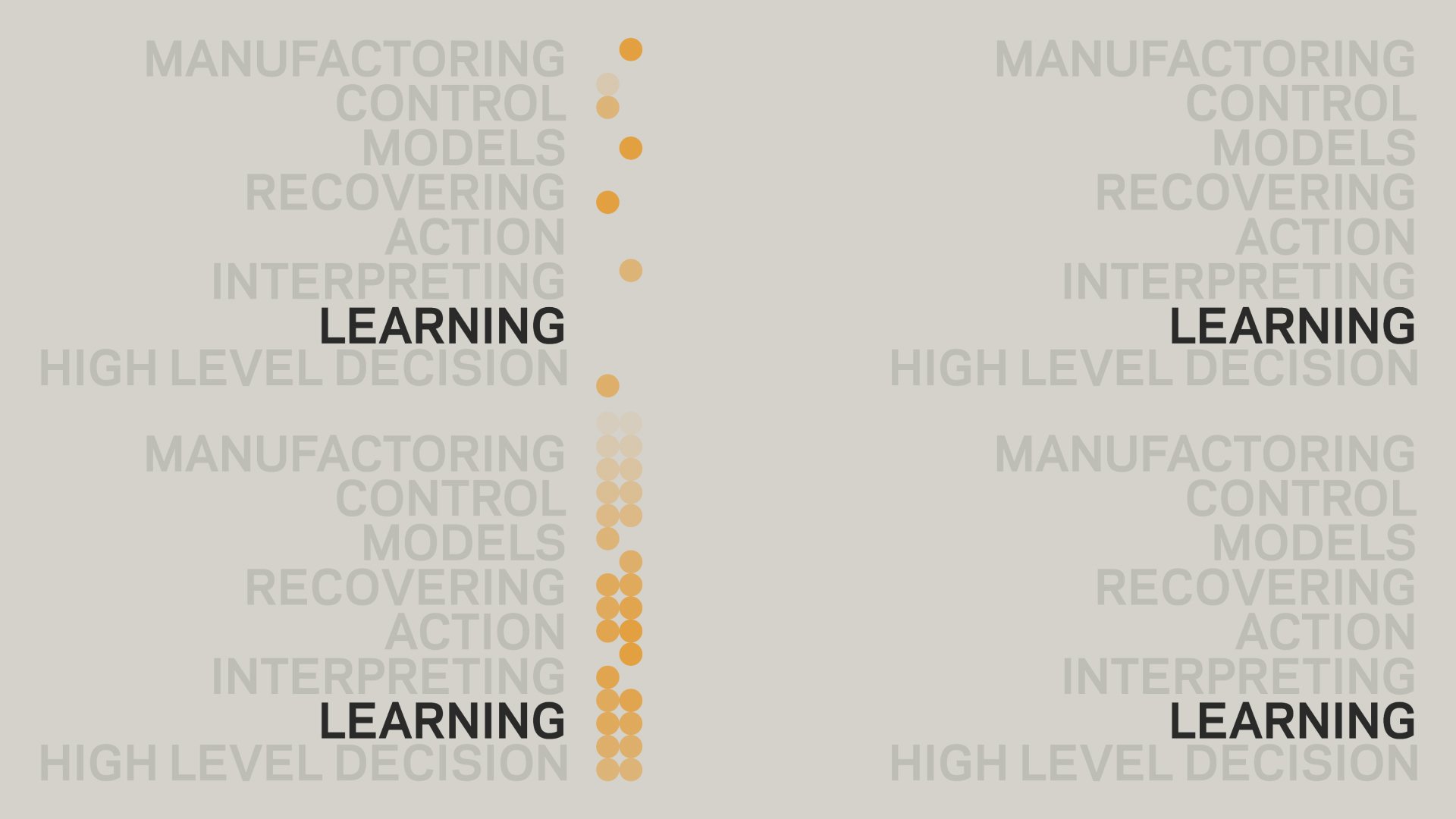
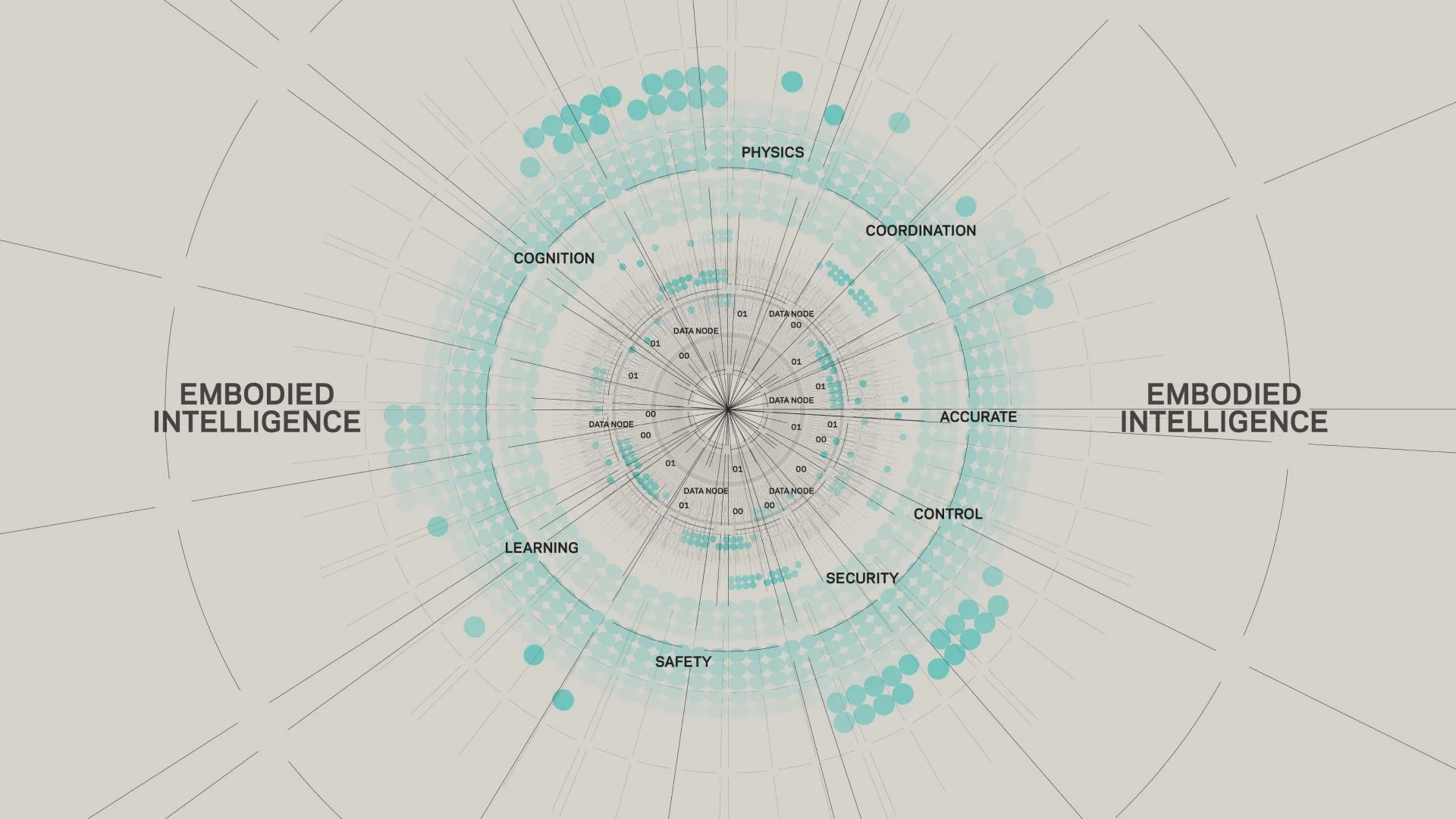
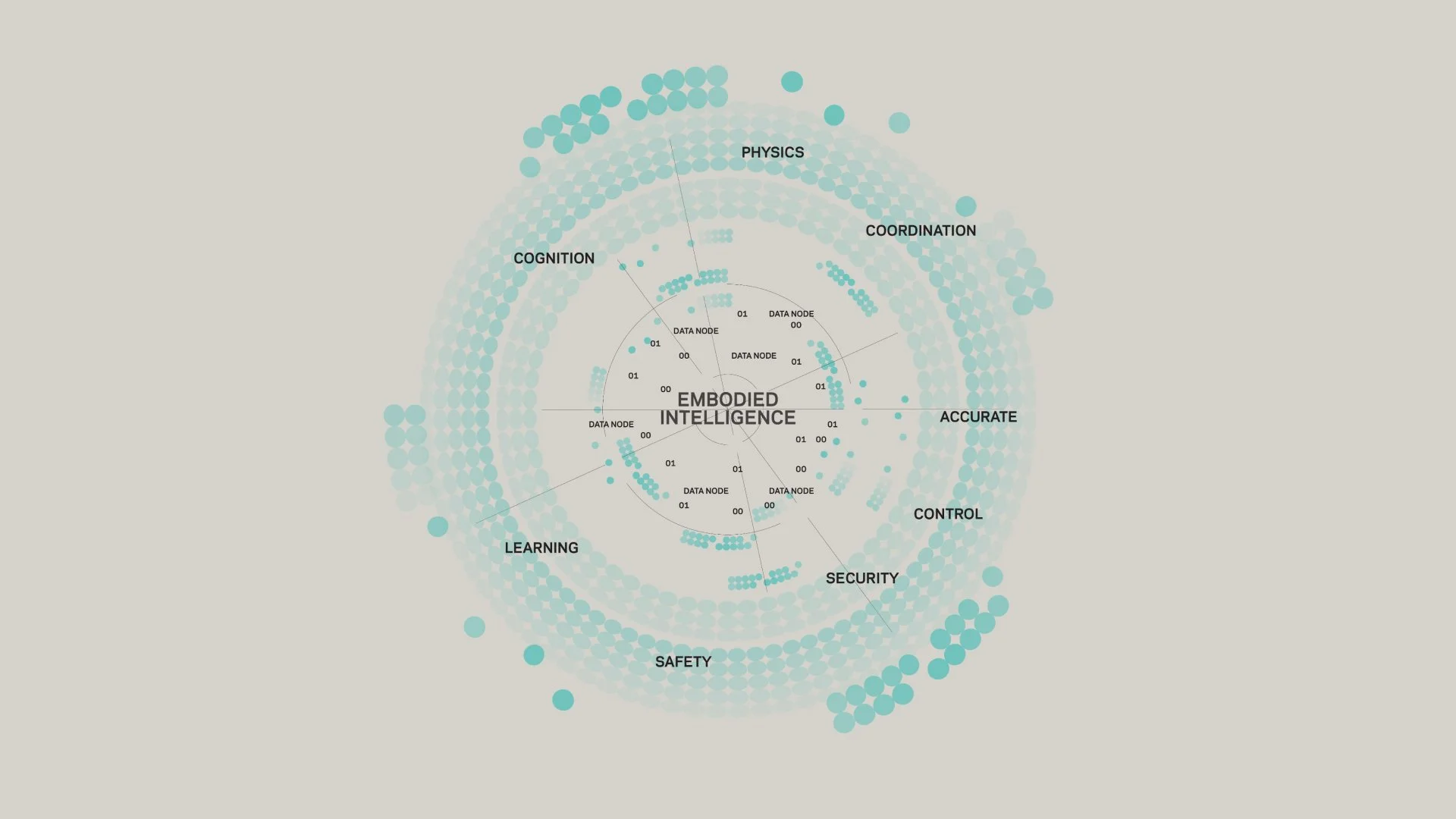
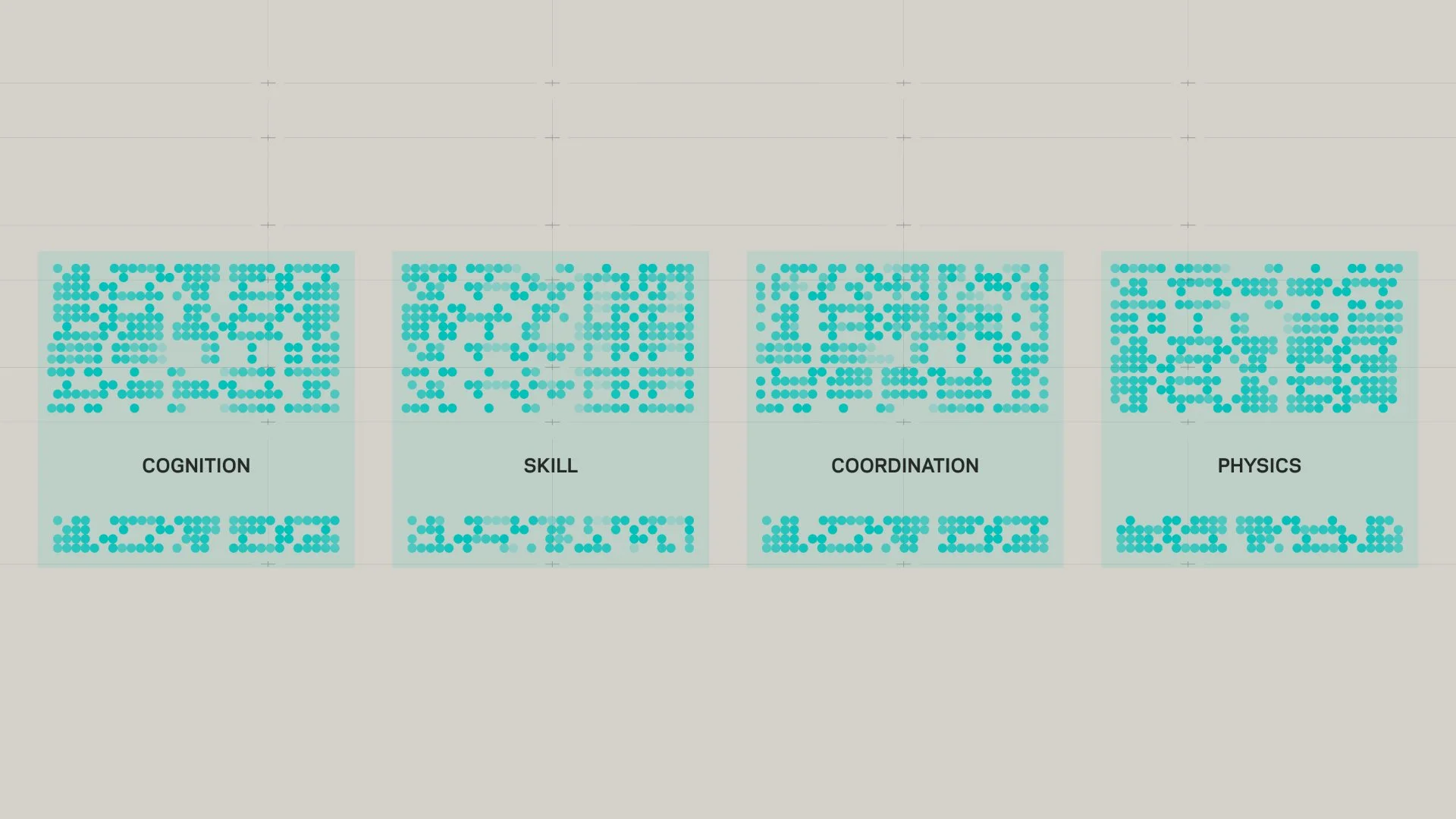
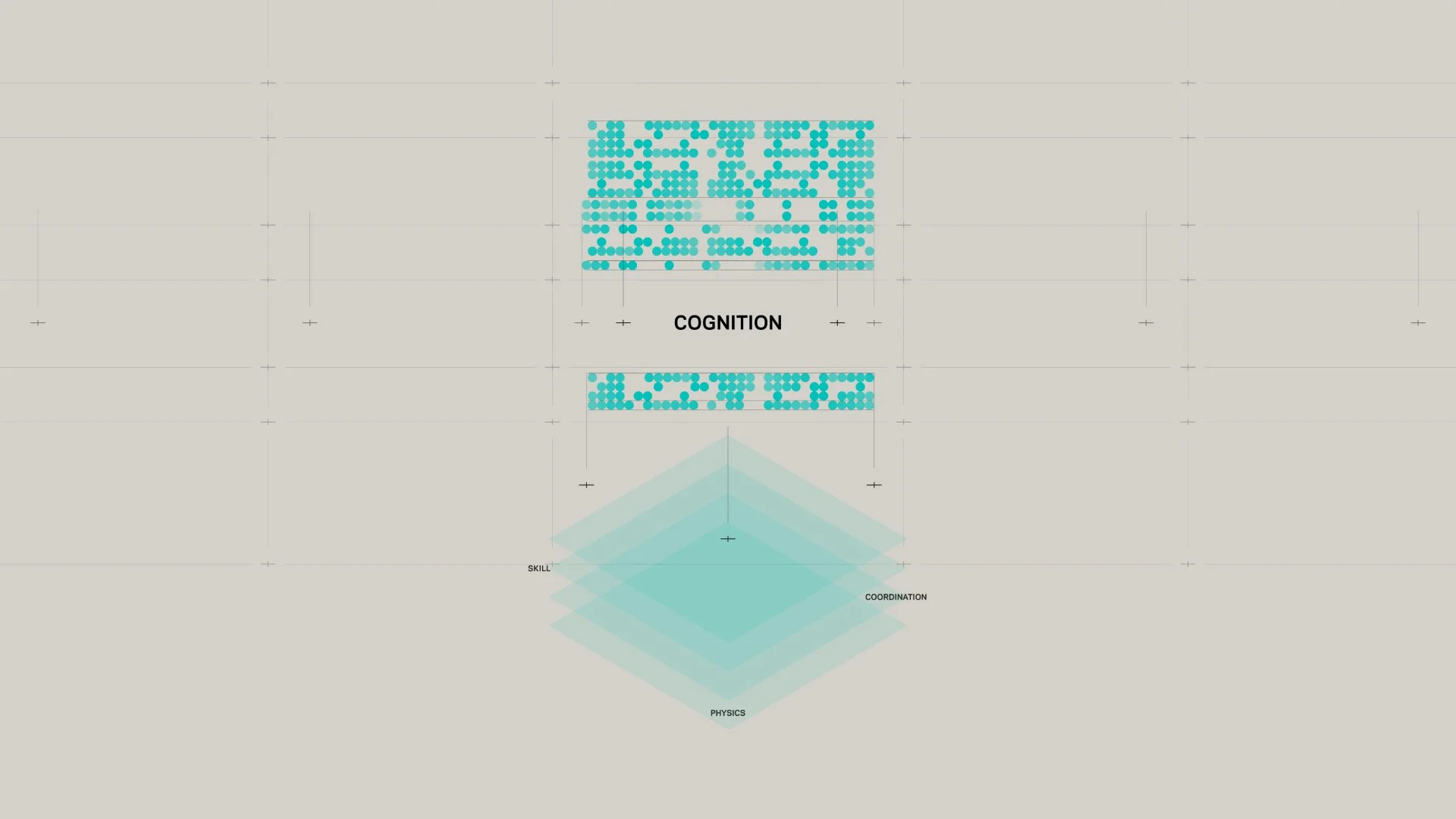
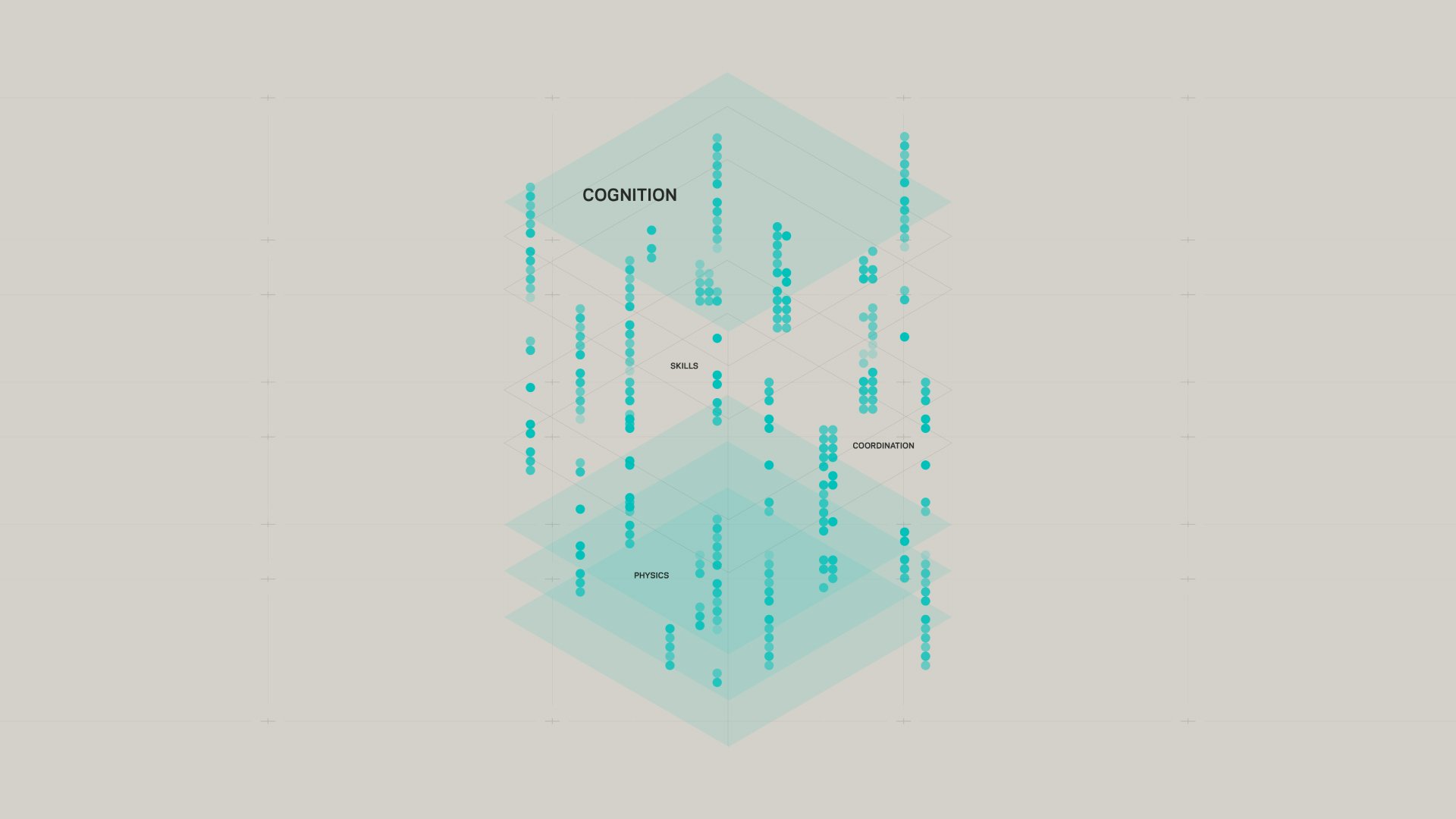
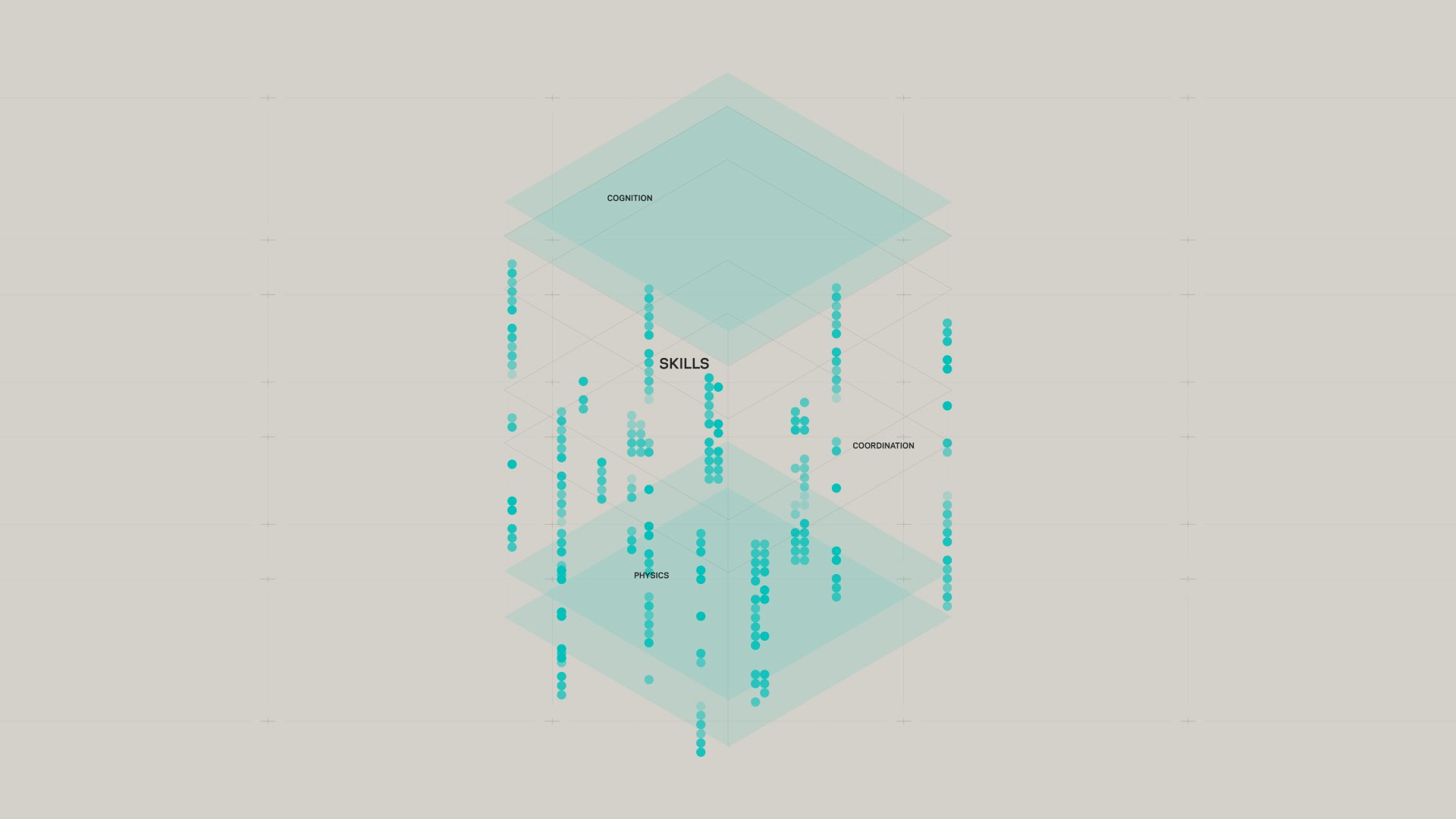
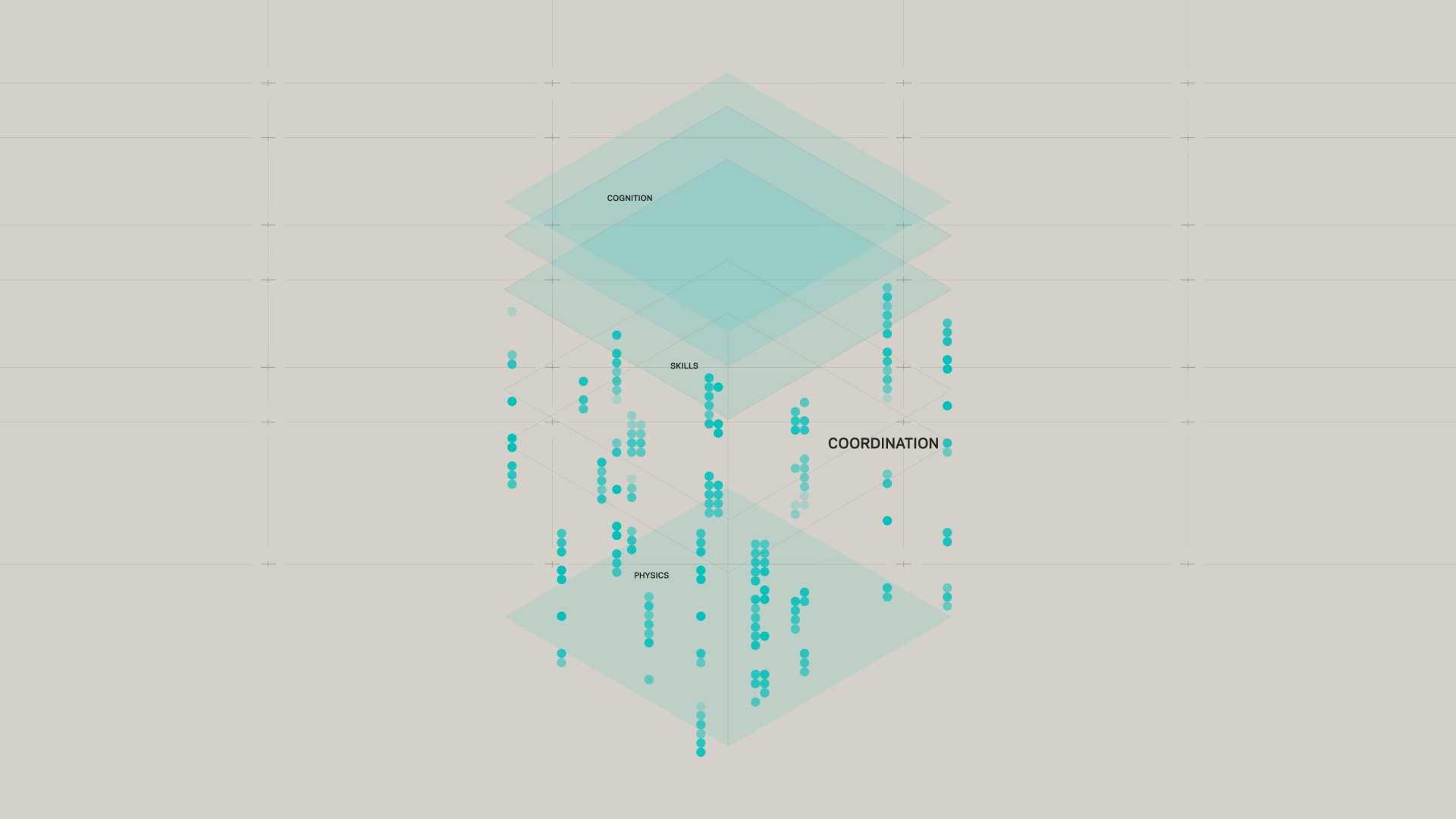
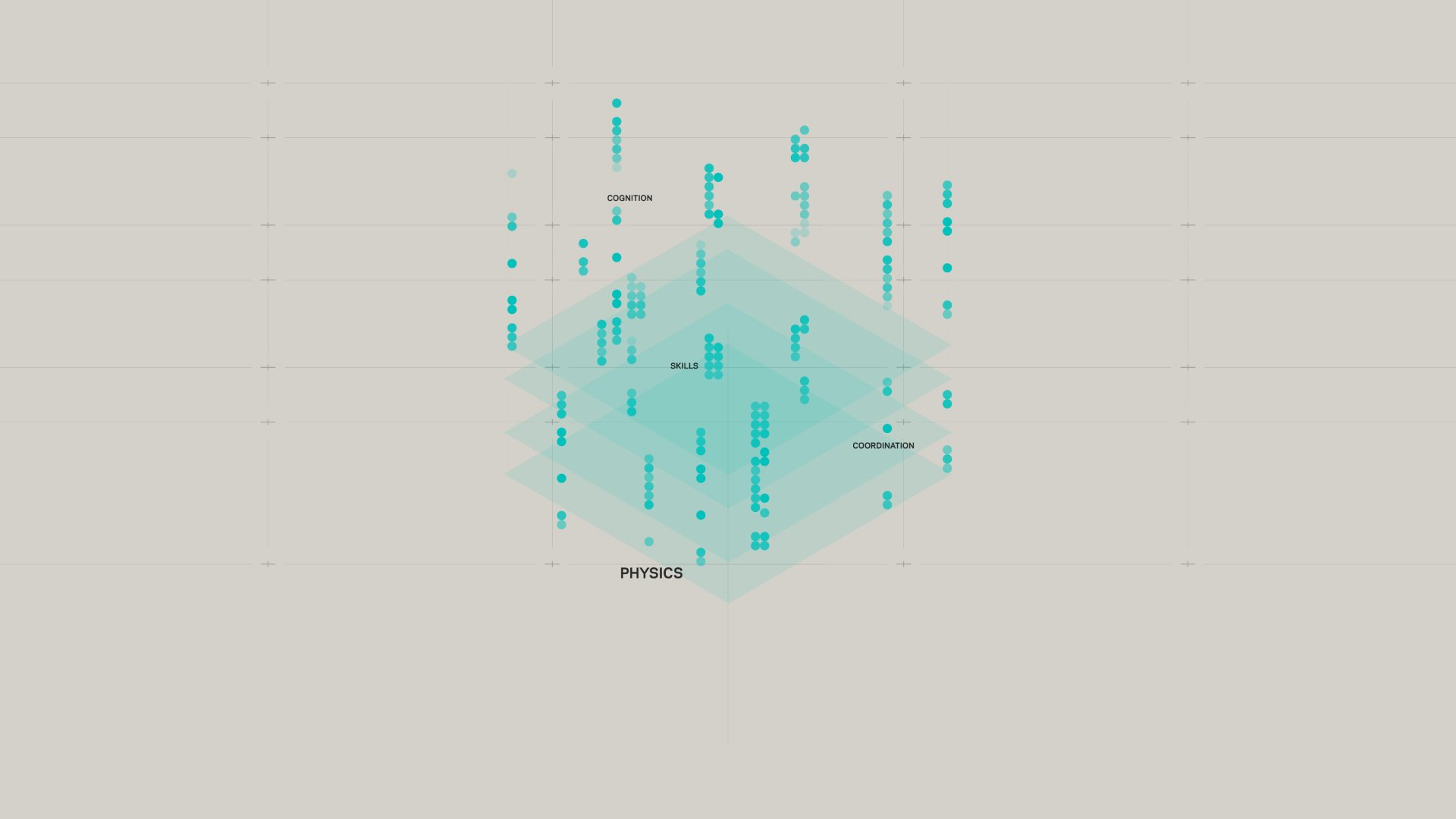
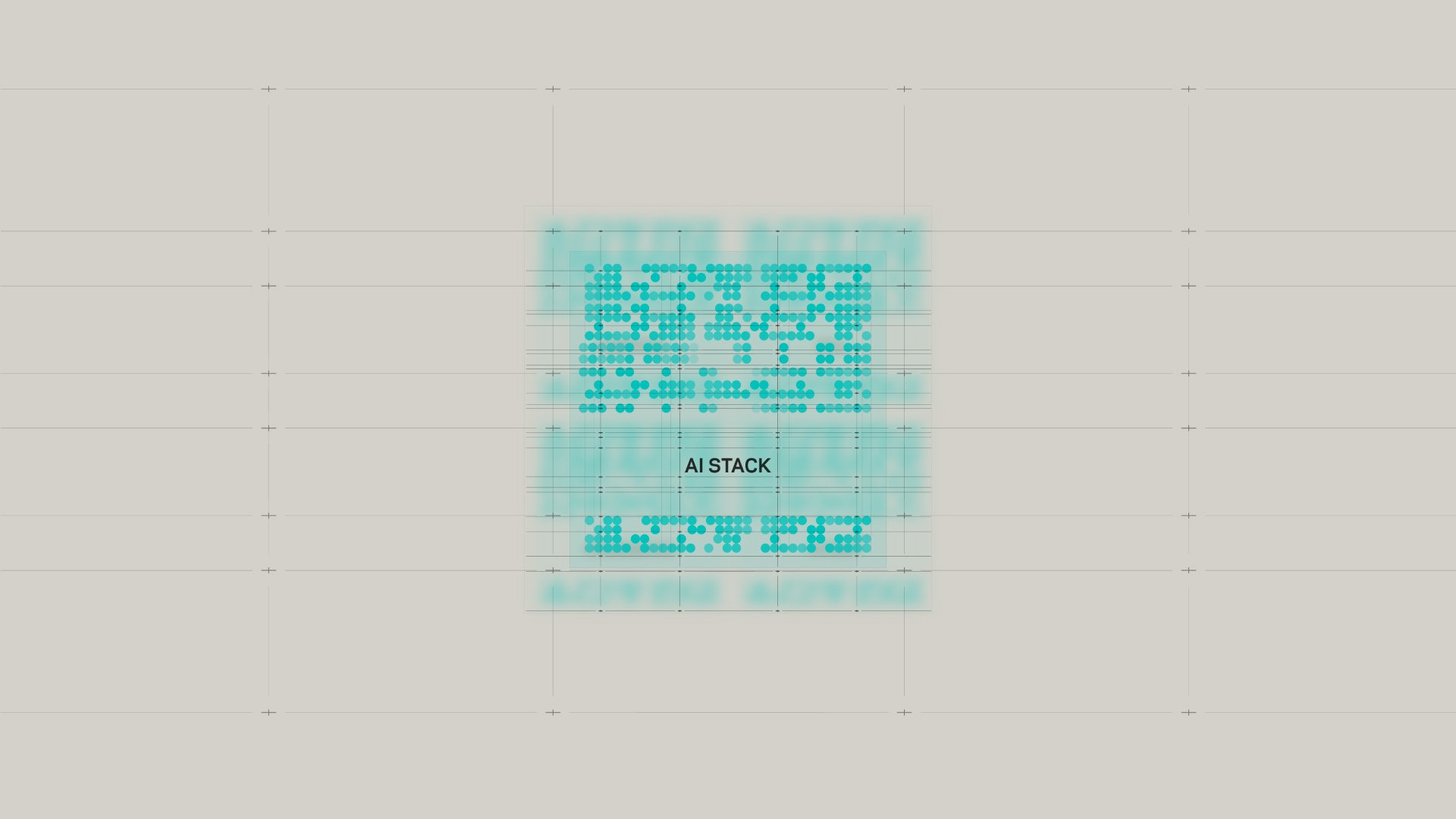
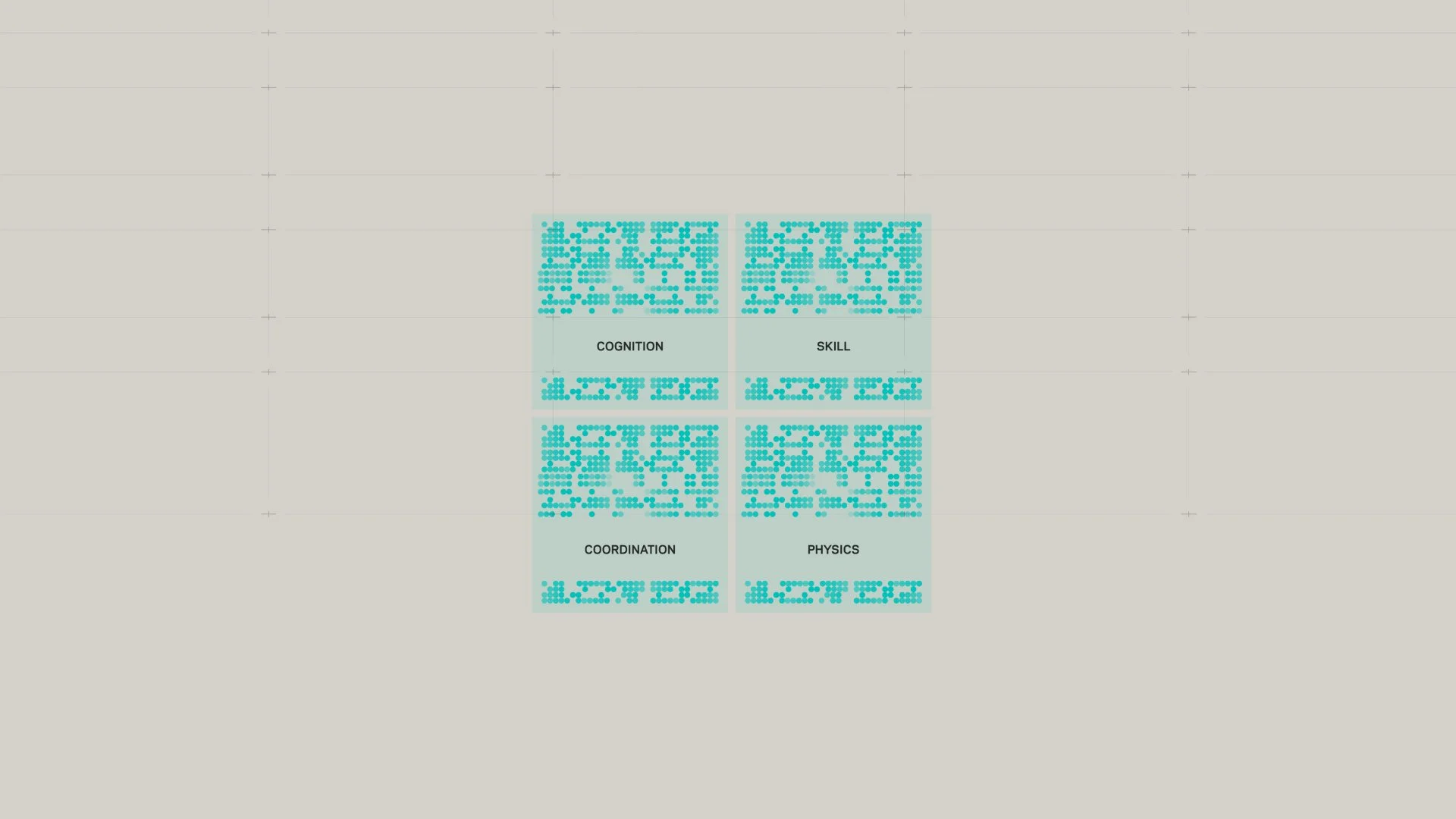
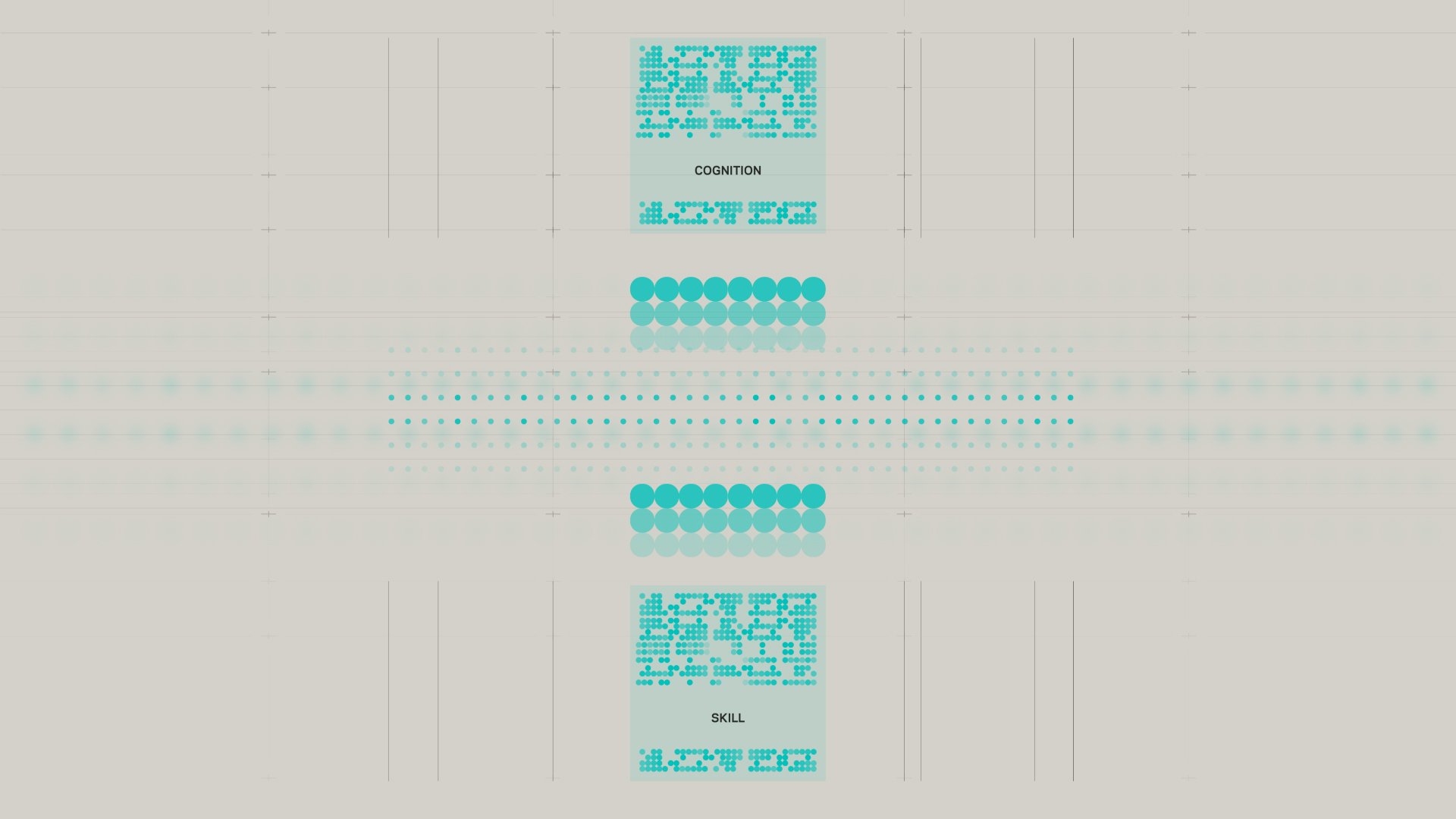
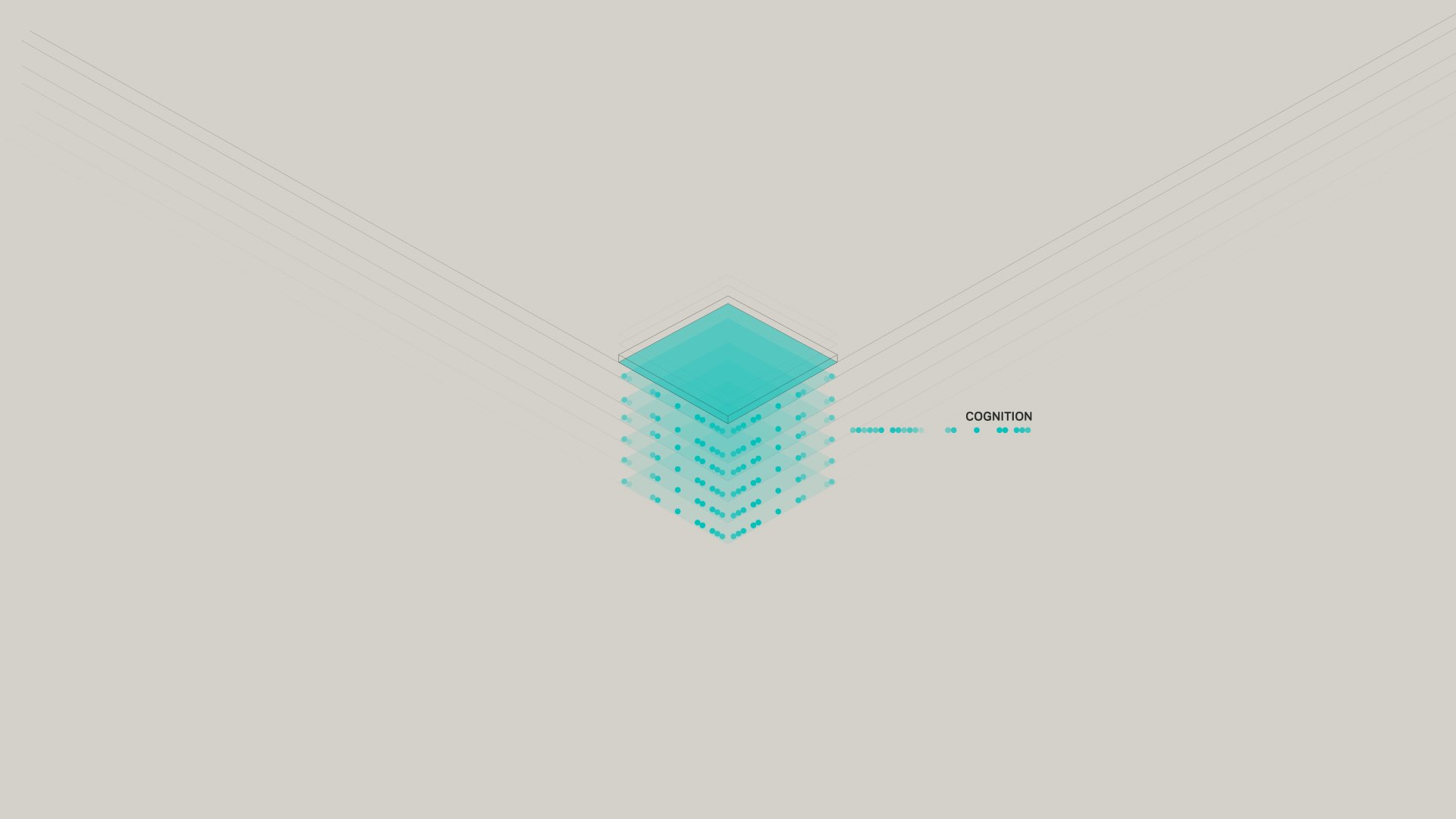
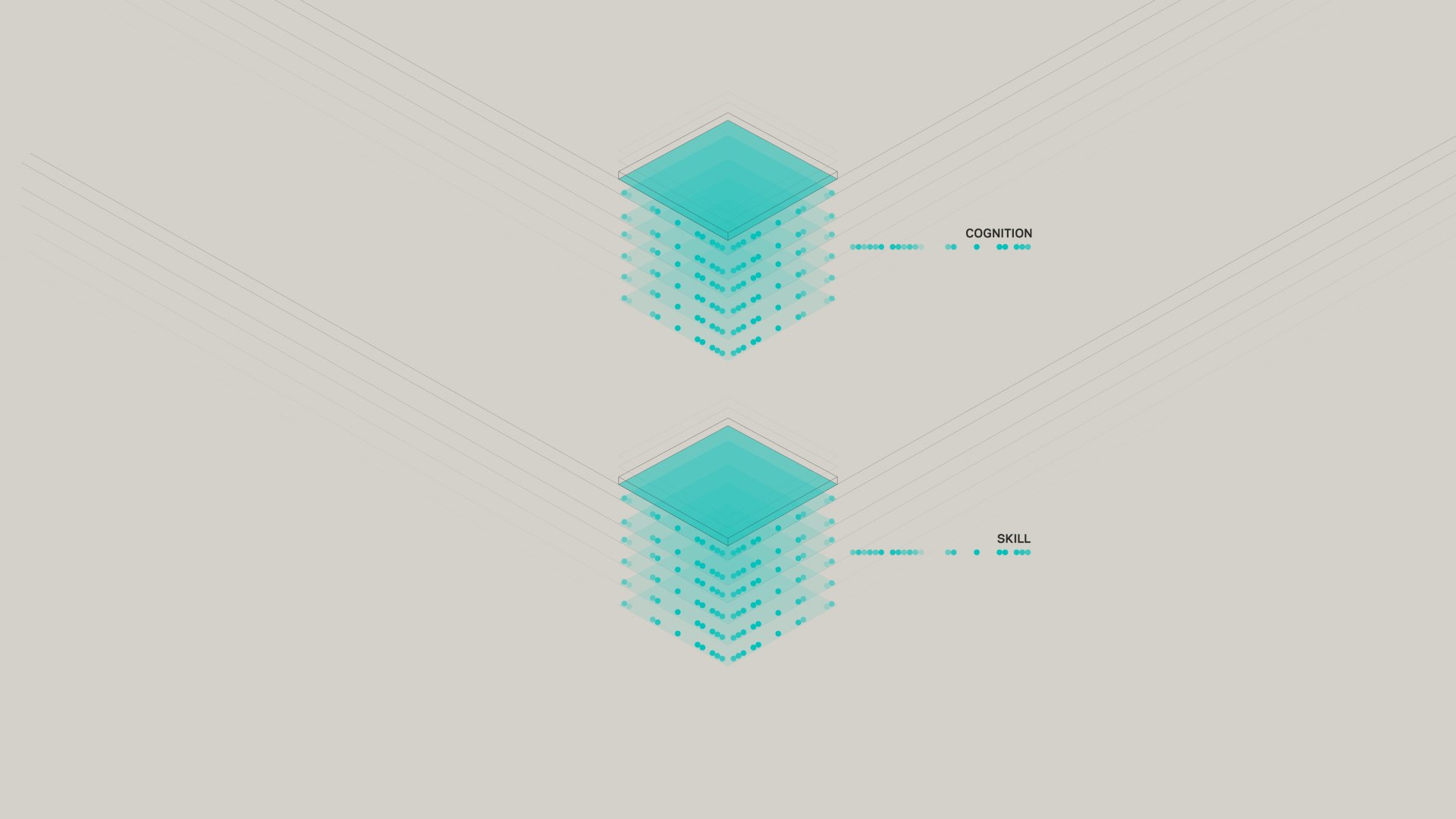
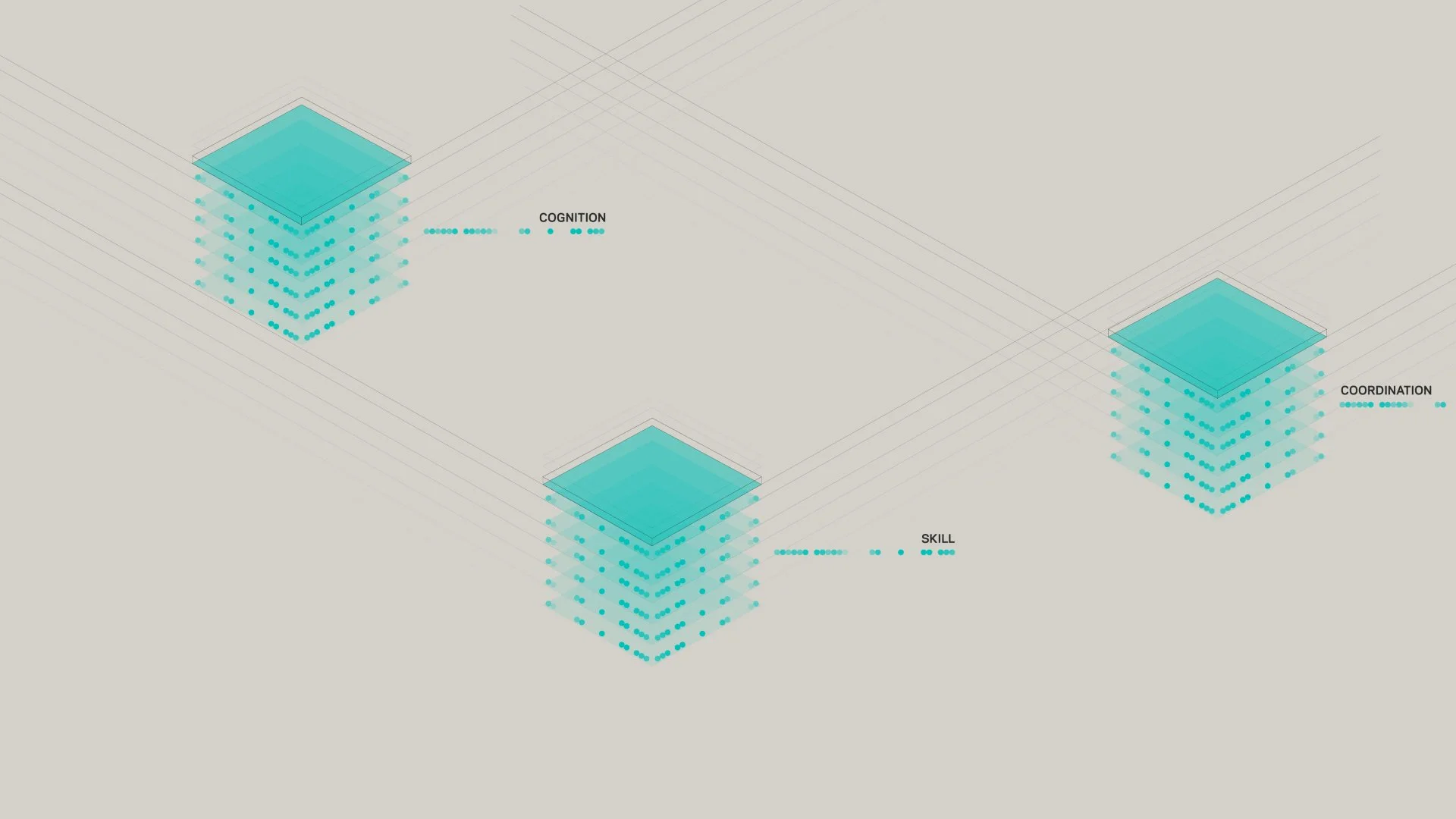
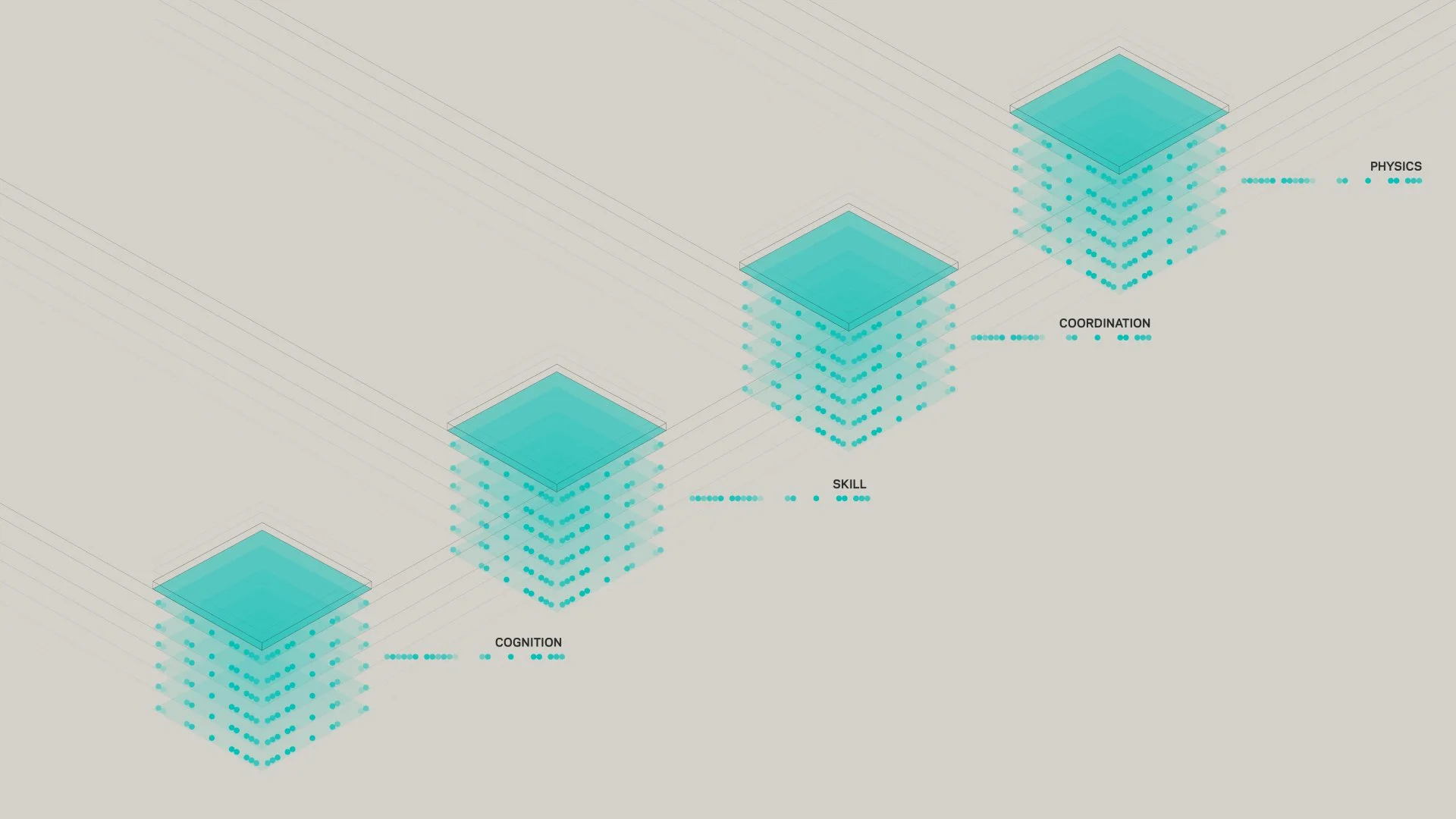
Humanoid robots need more than powerful AI. They need the physical intelligence to act in the real world. This film breaks down Agility’s AI stack layer by layer: physics, coordination, skills and cognition. It shows how each layer builds on the one below it, so Digit can understand its environment, move with control and finish useful work.
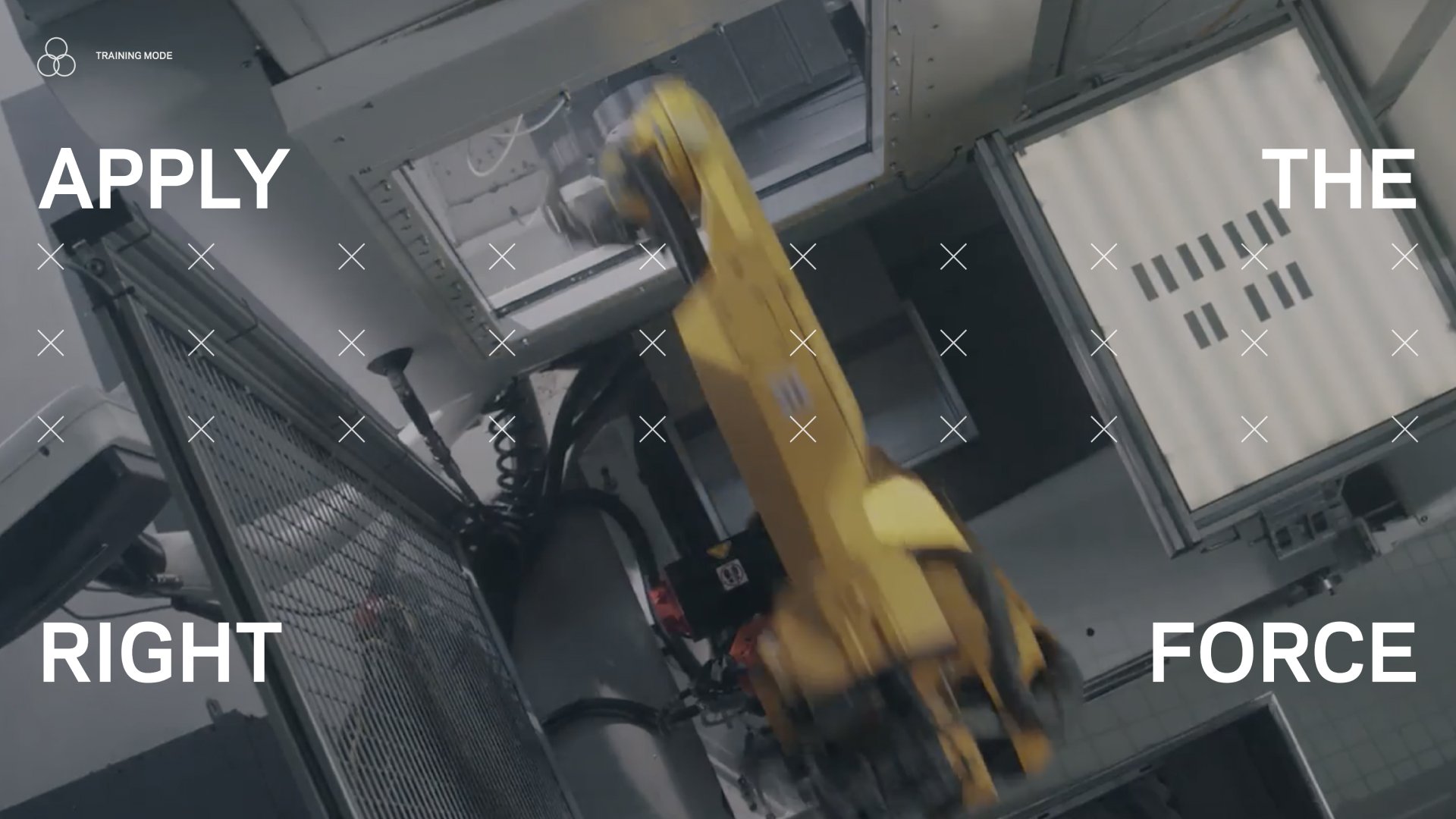
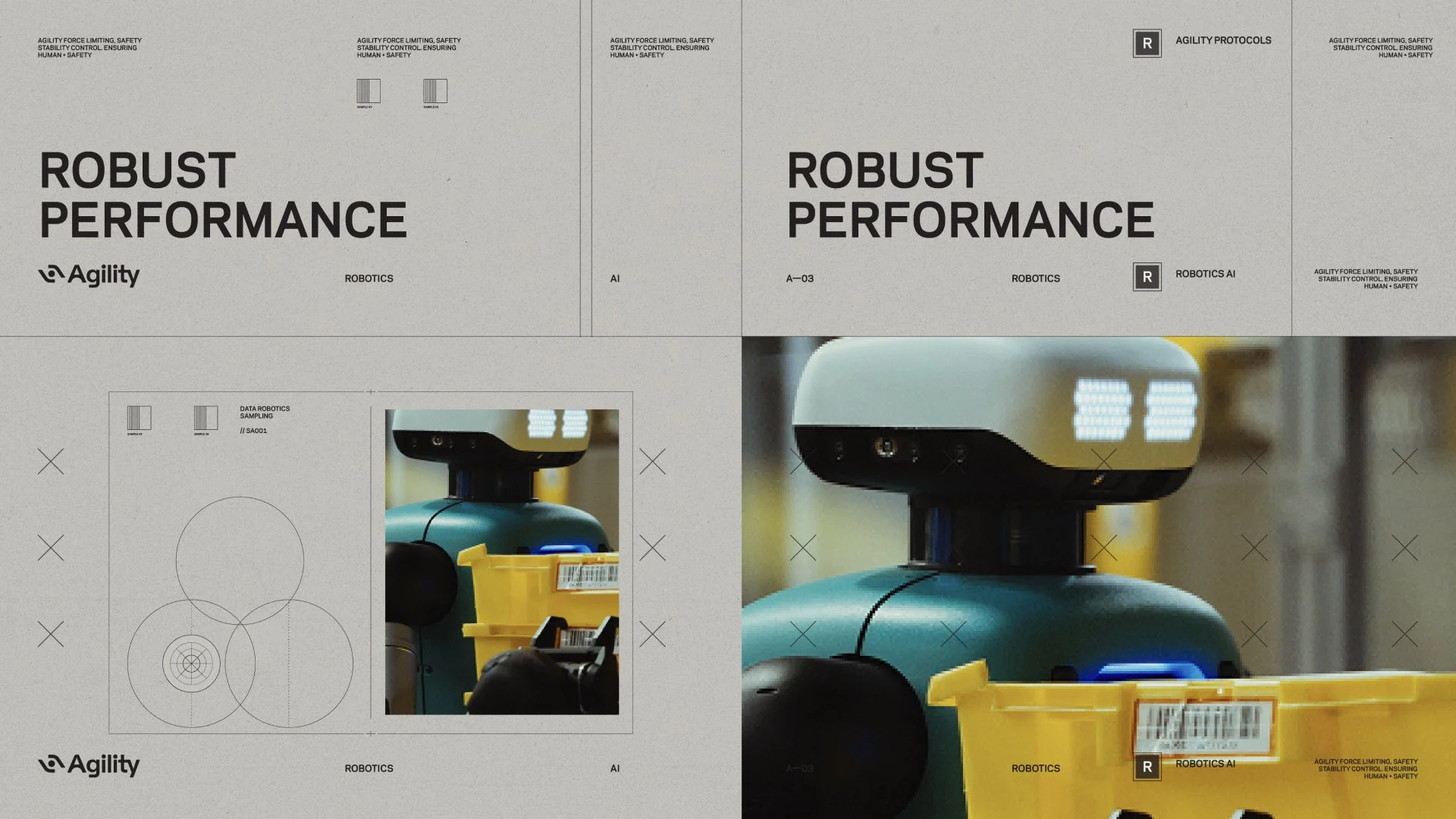
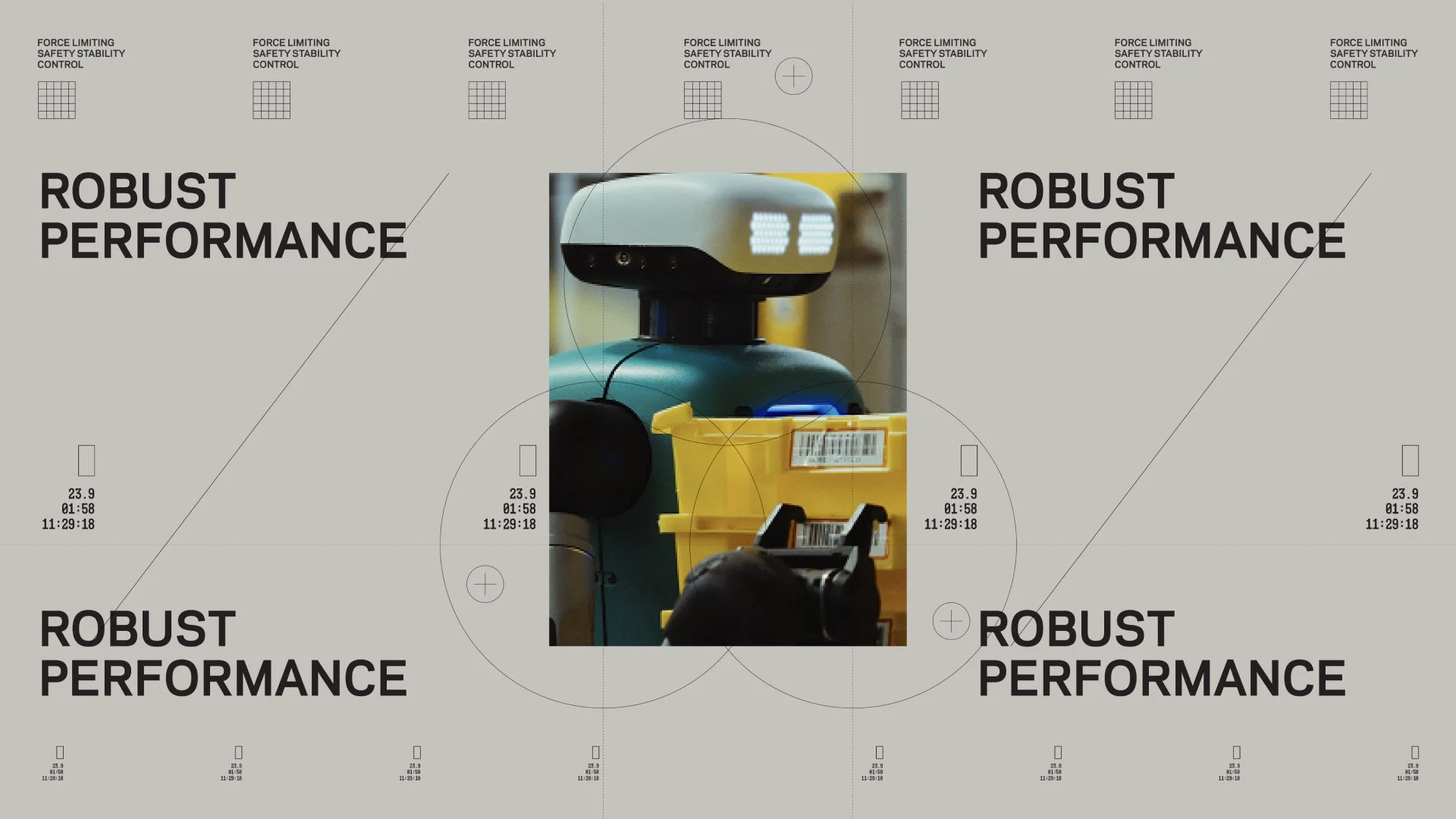
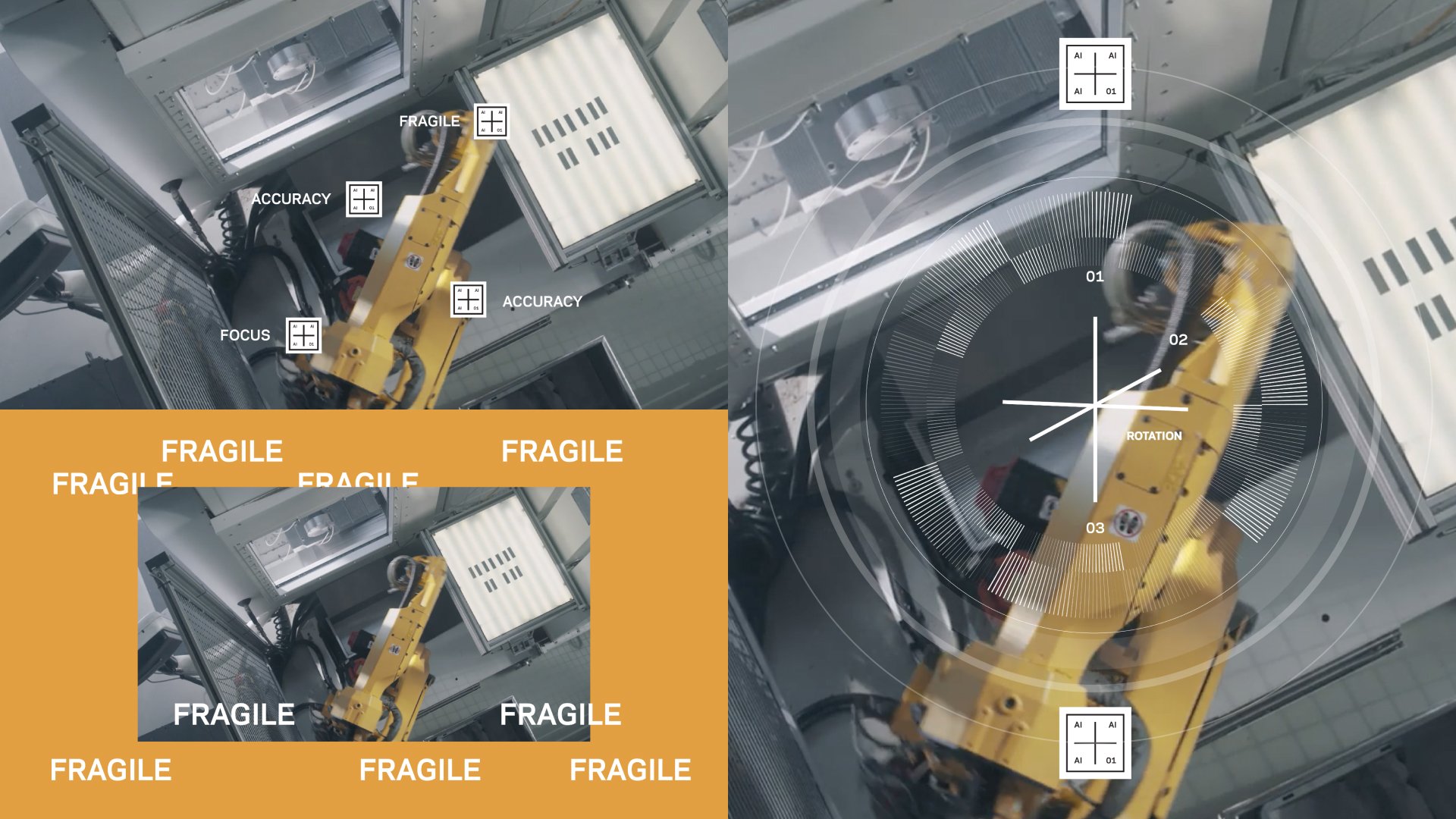
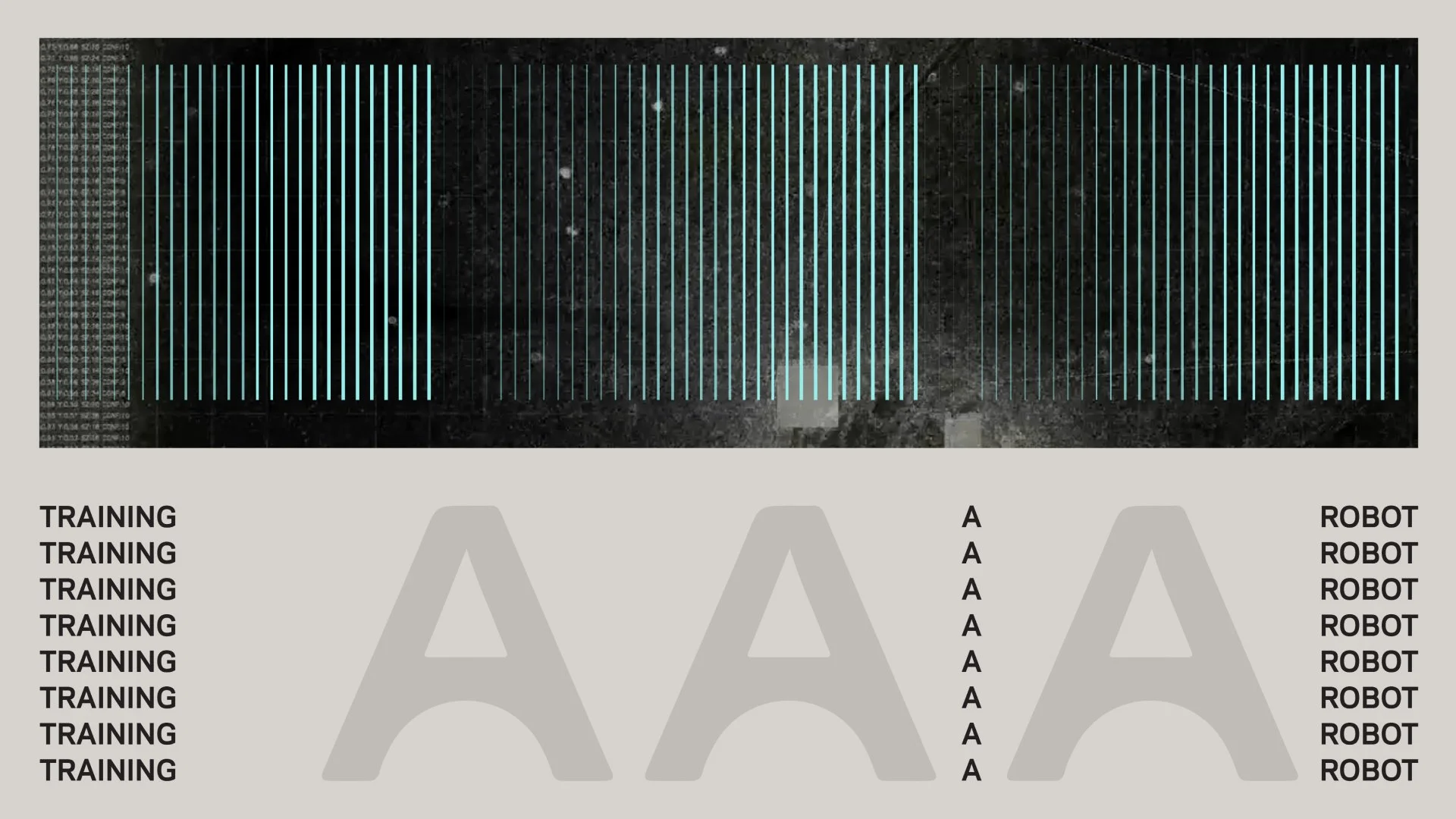
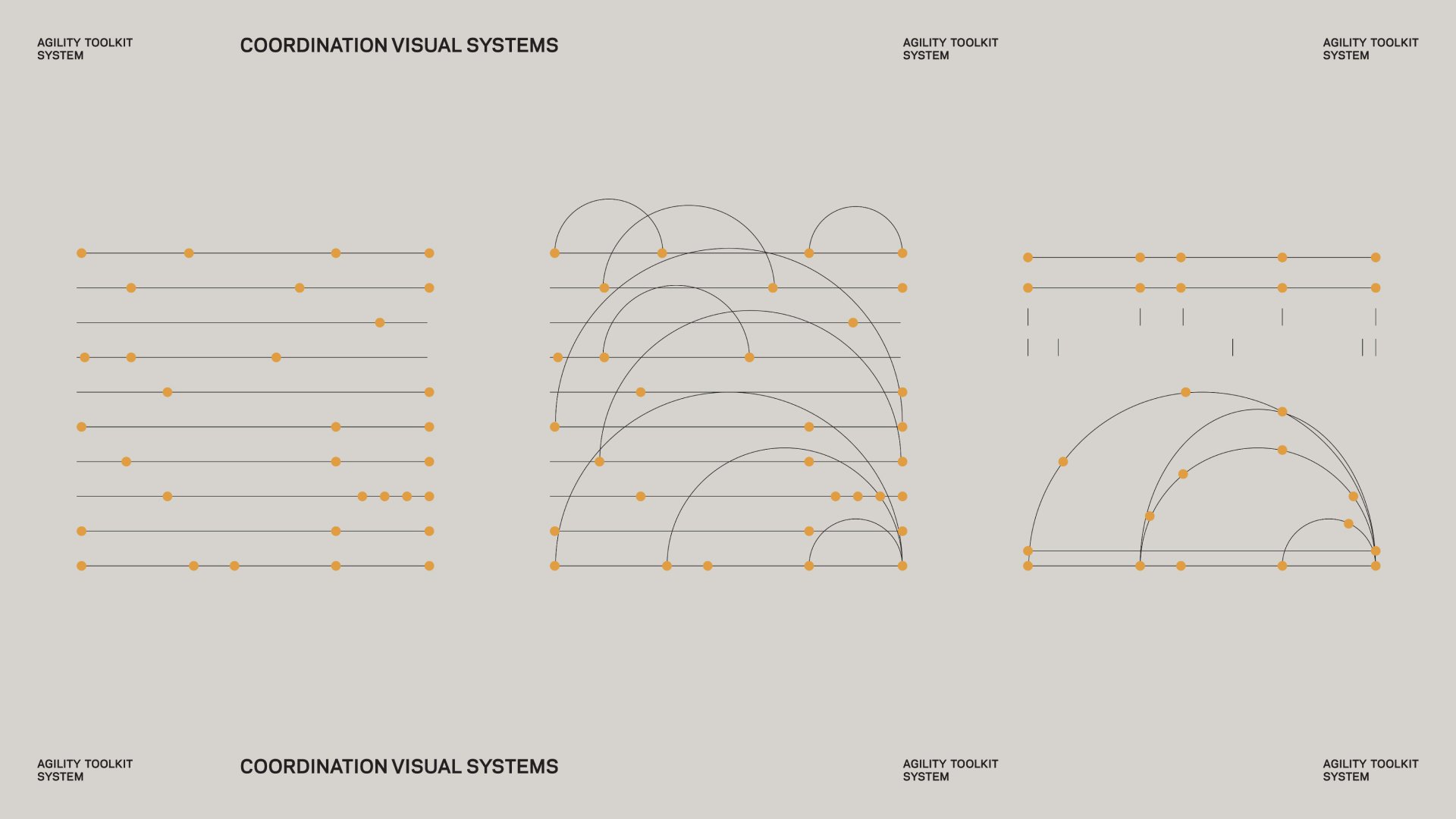
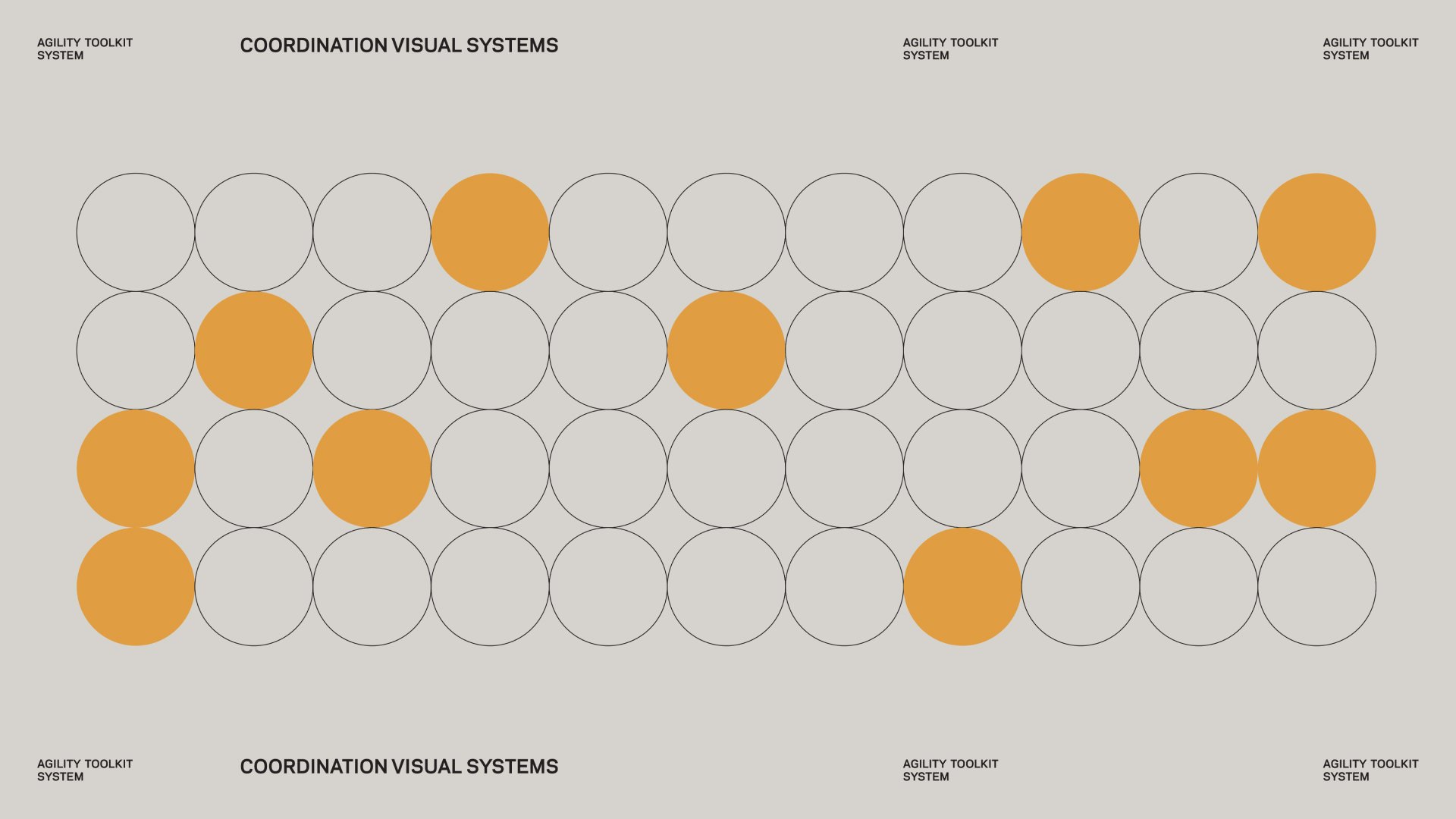
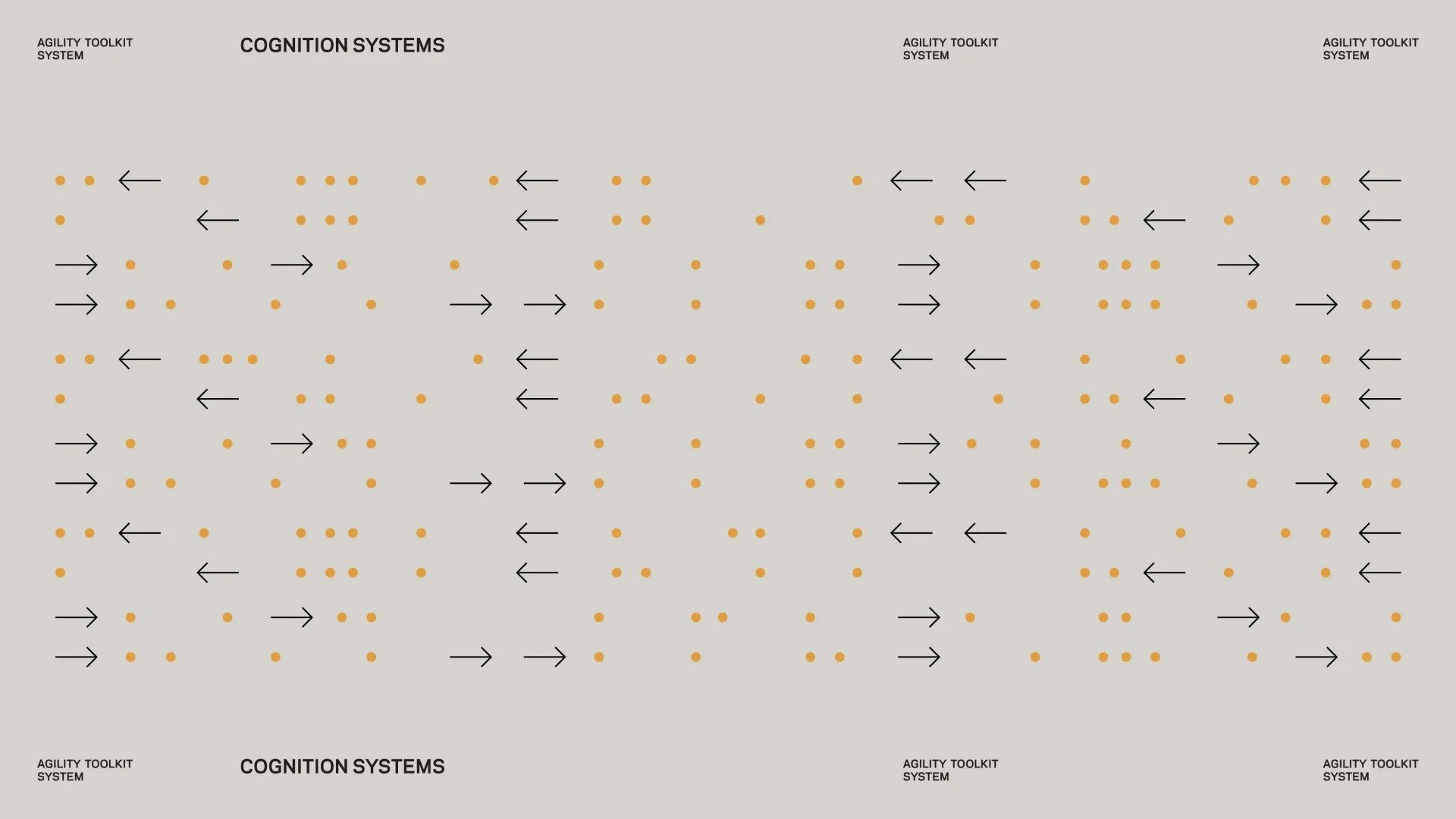
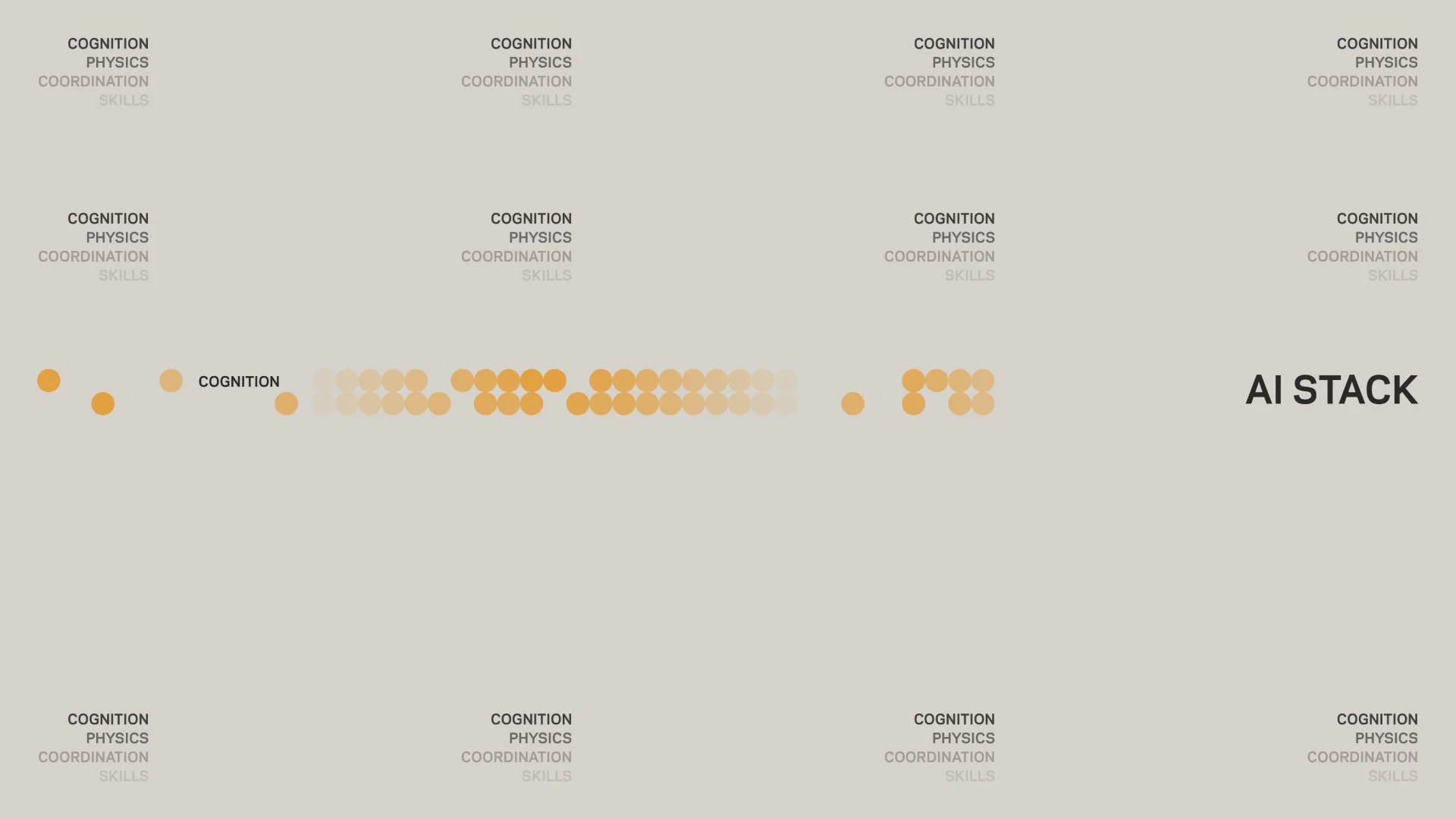
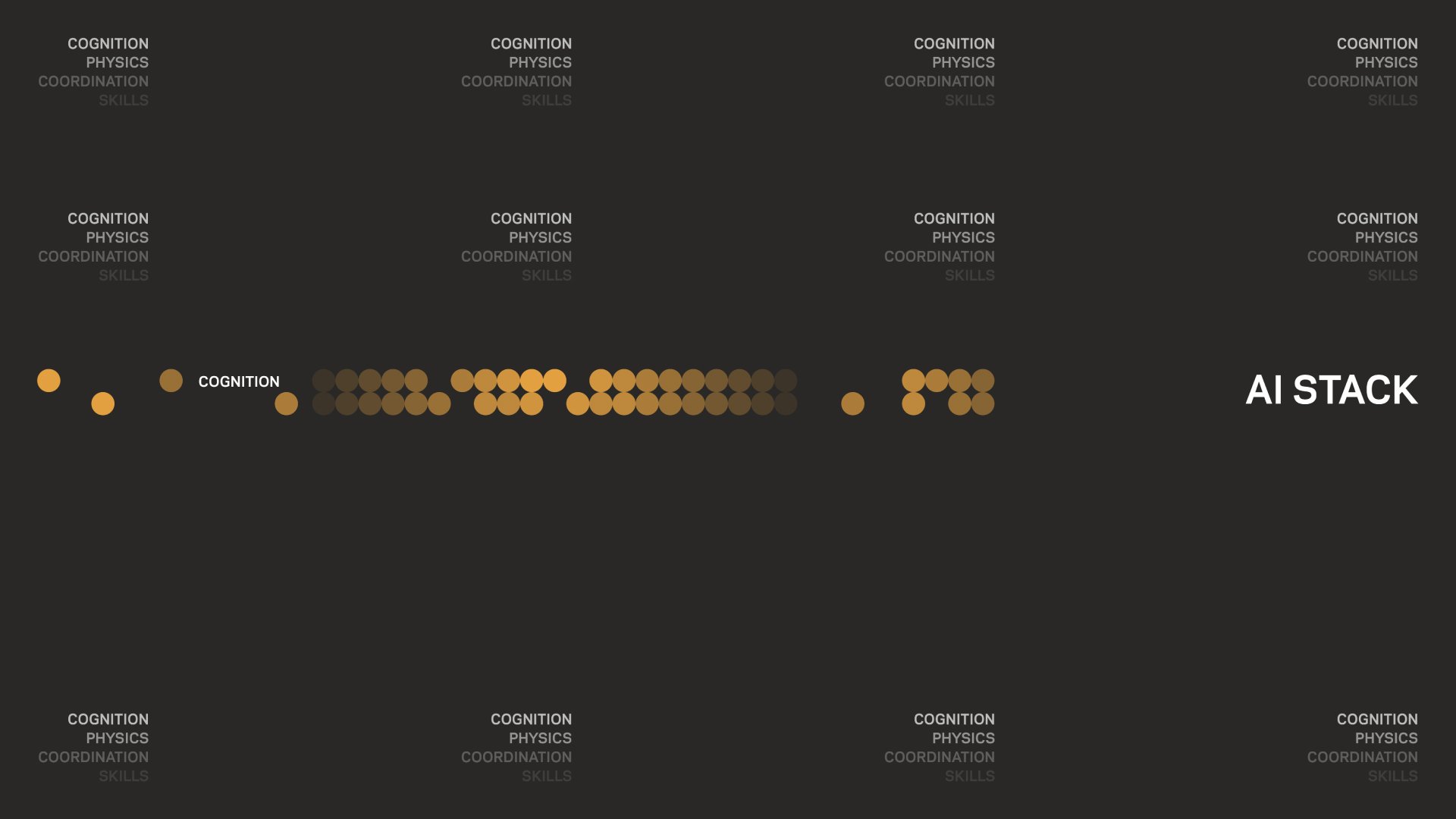
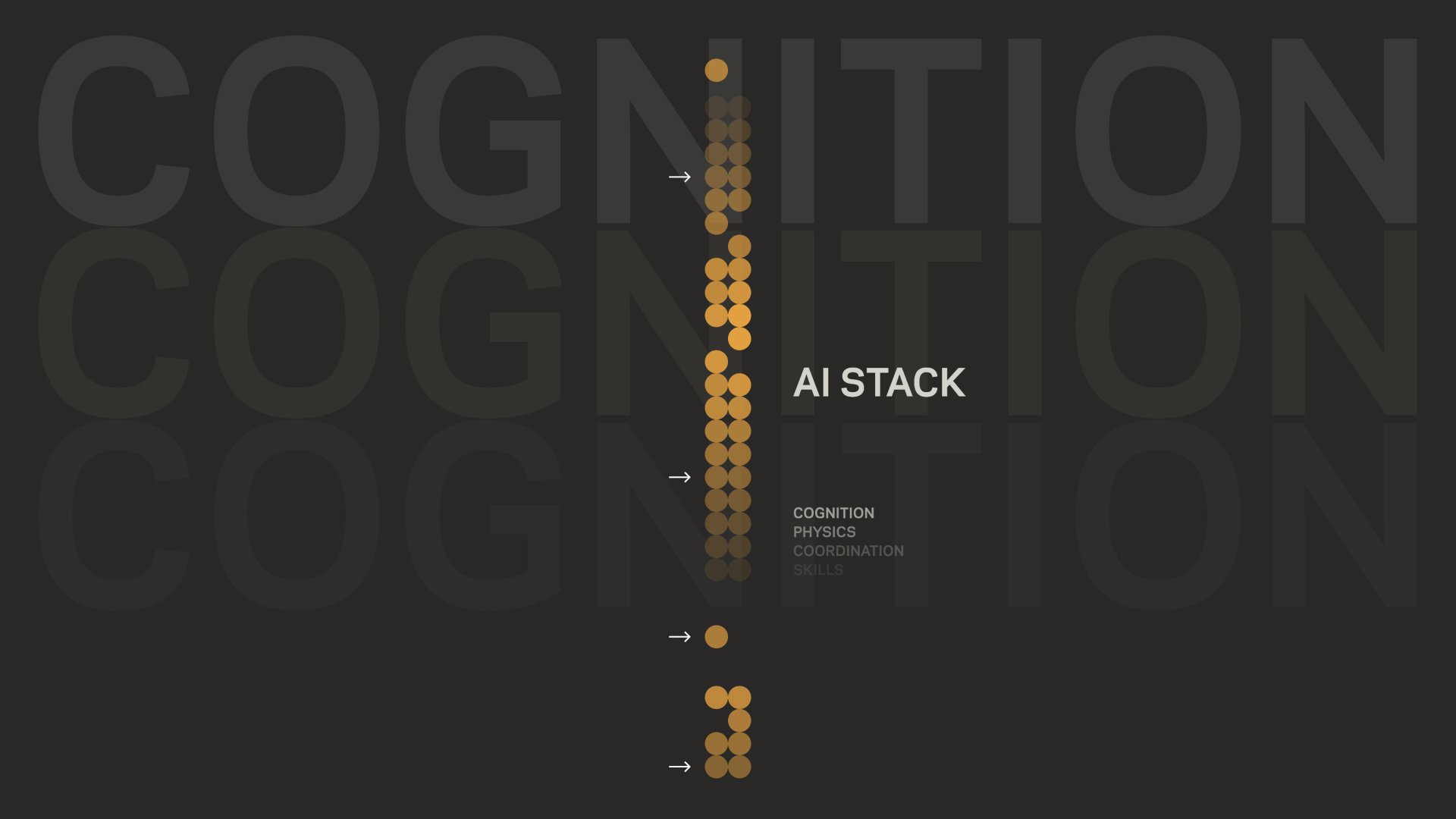
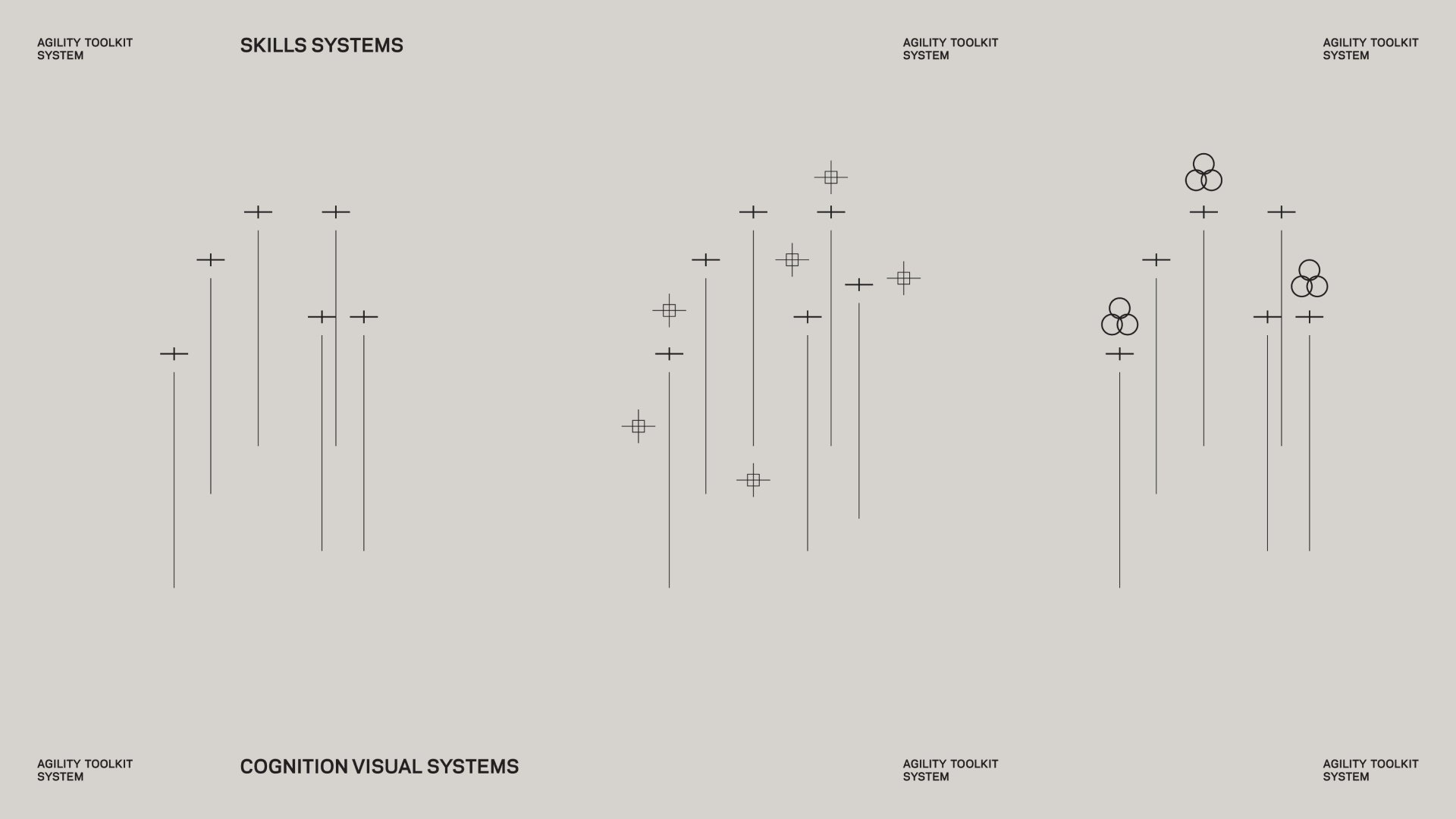
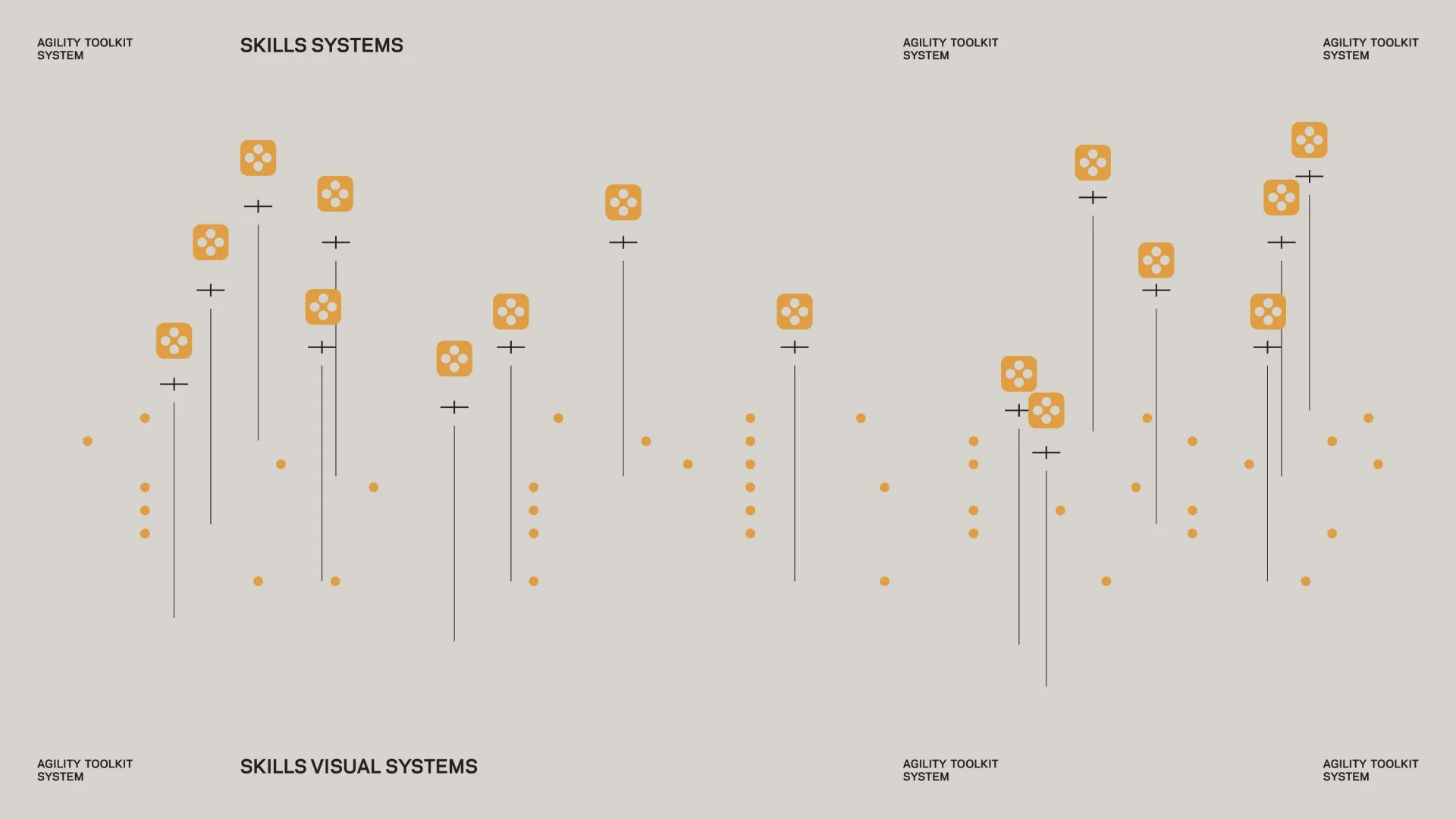
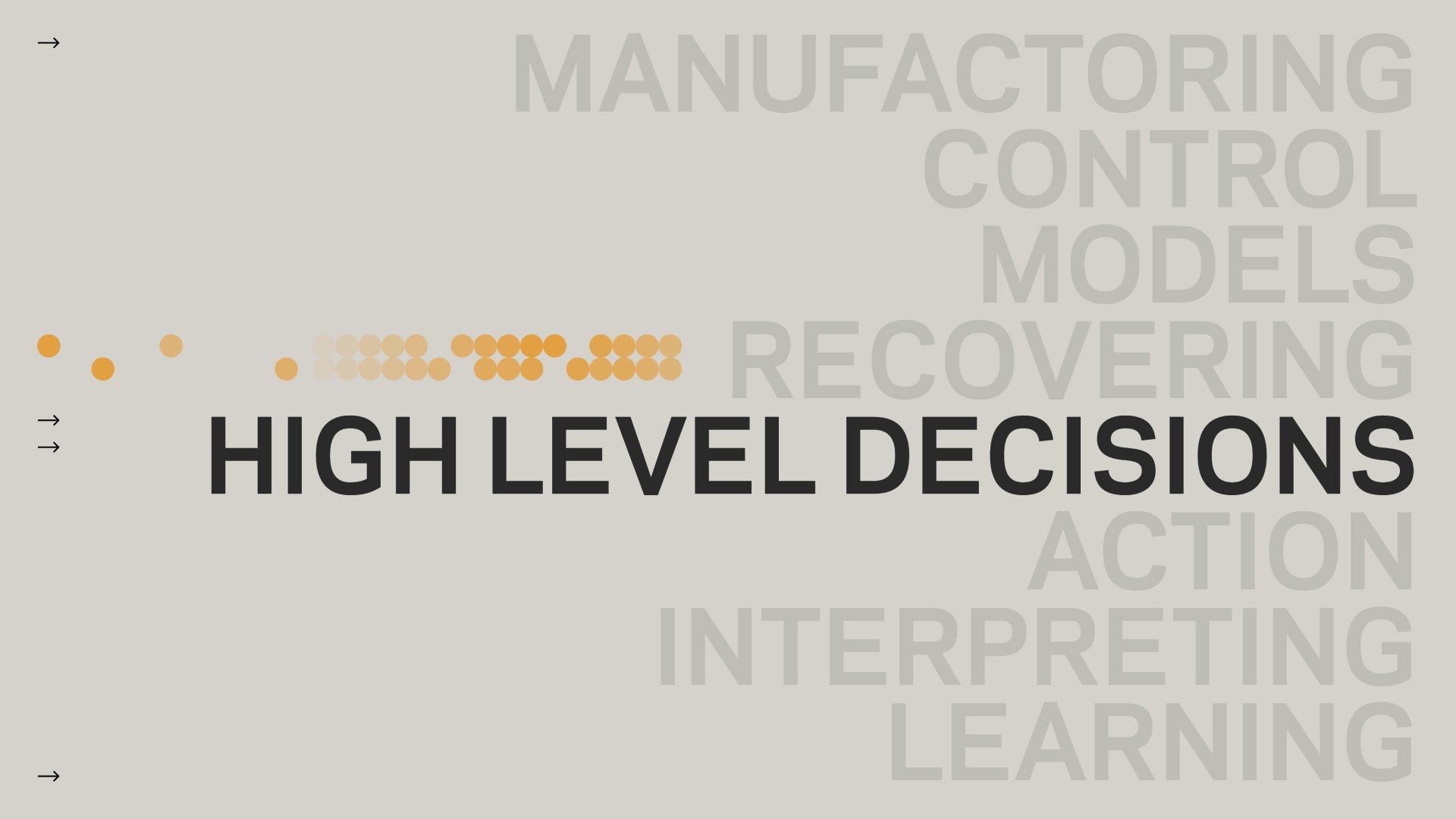
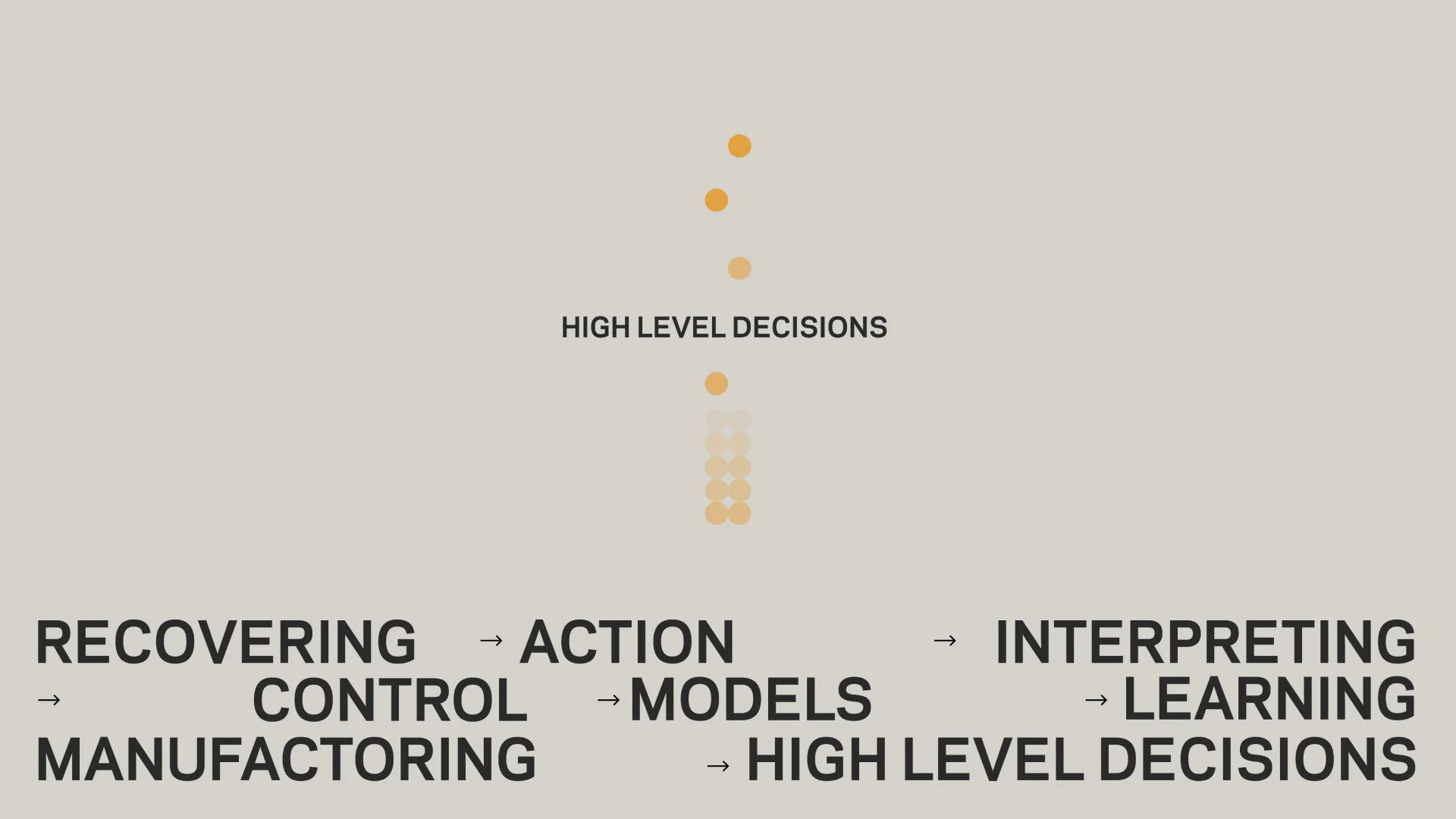
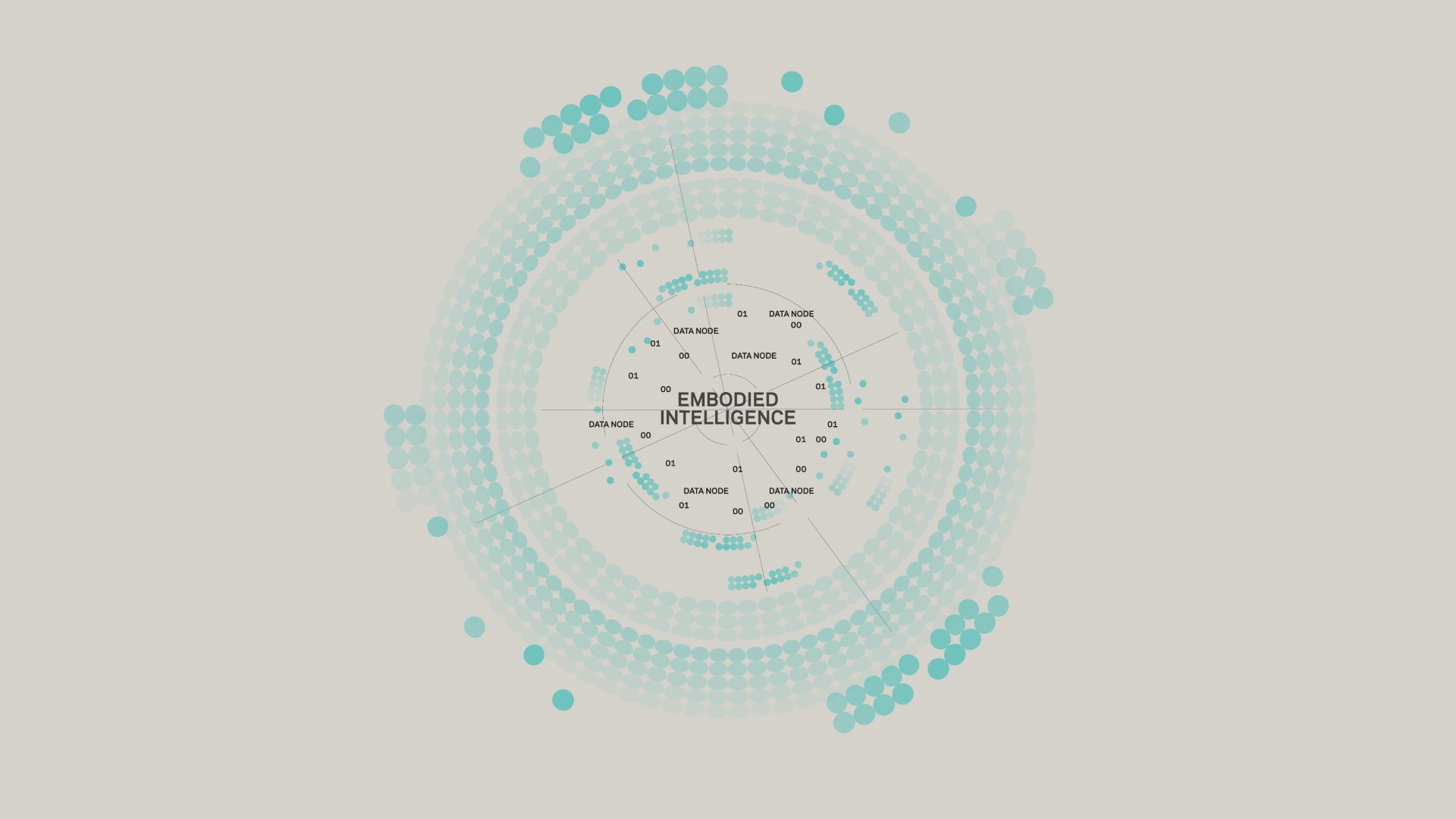
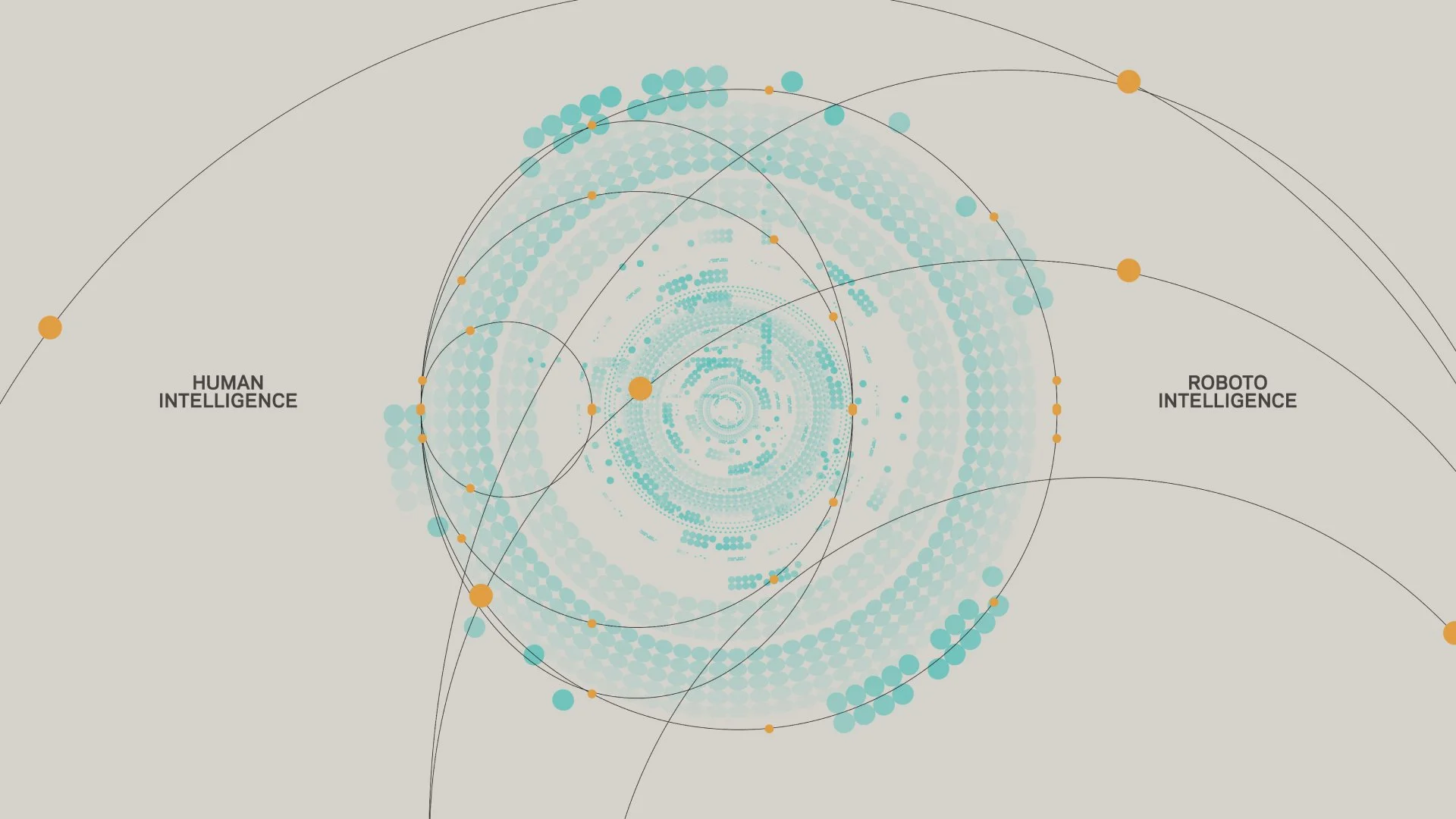
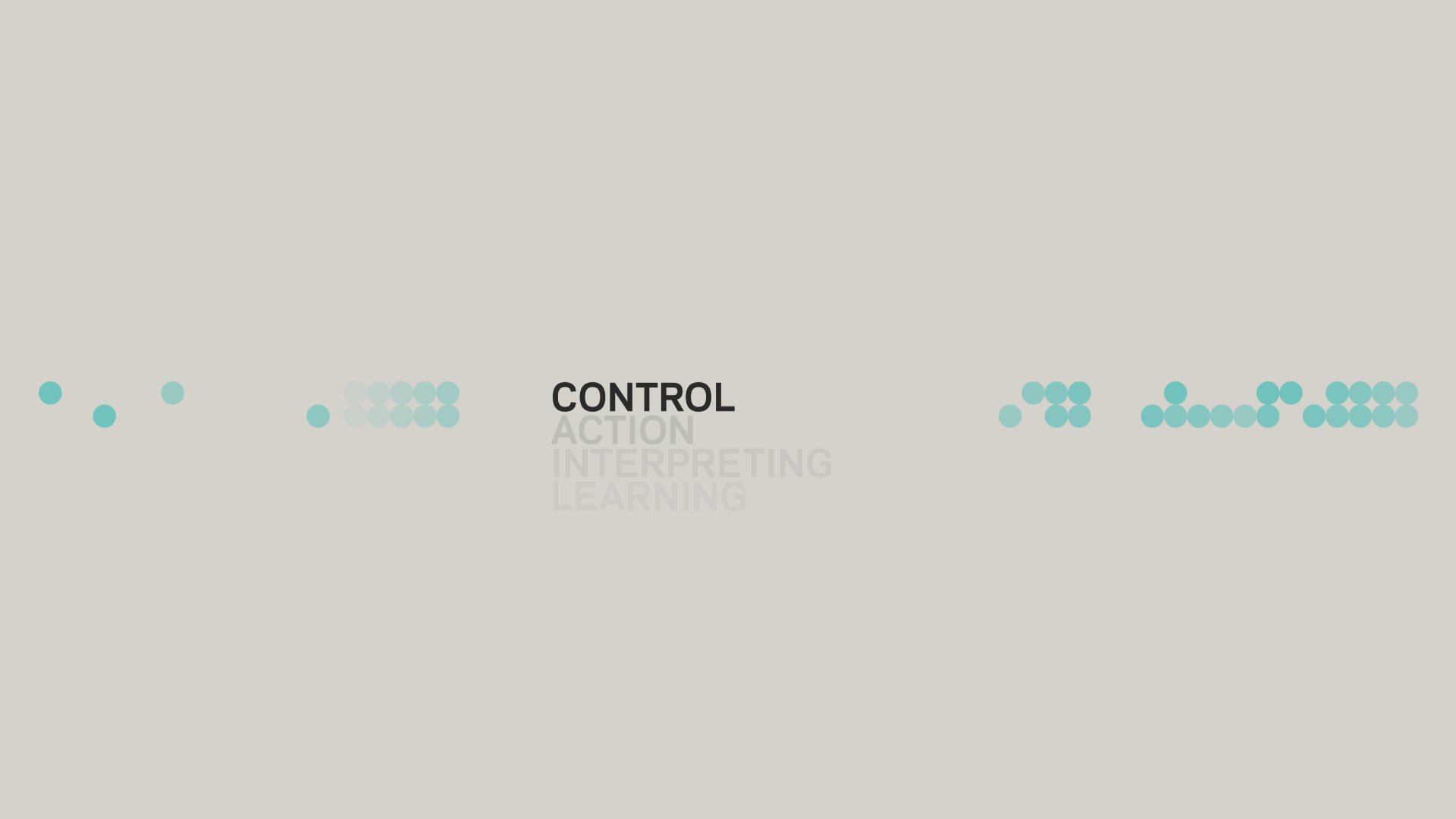
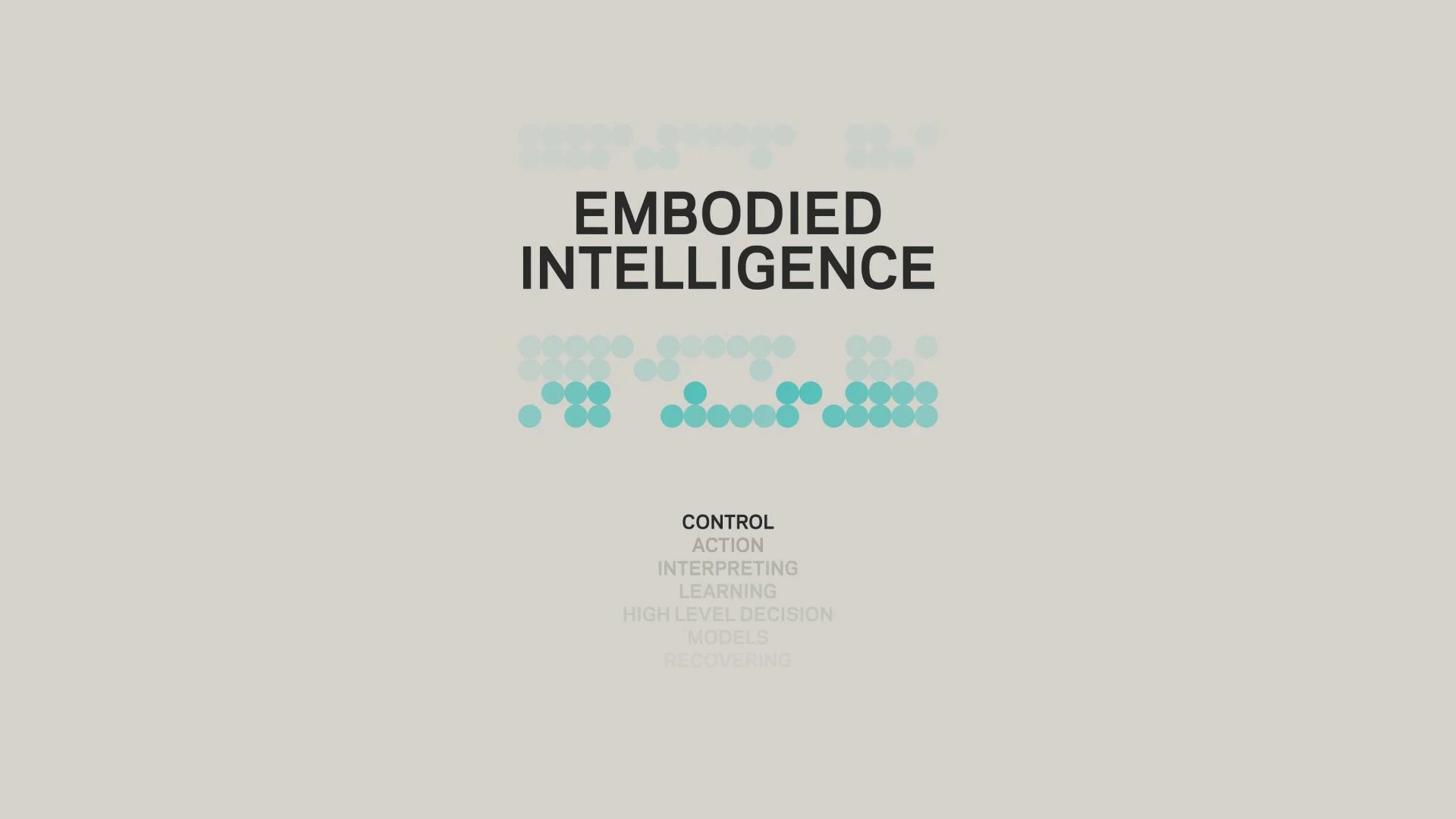
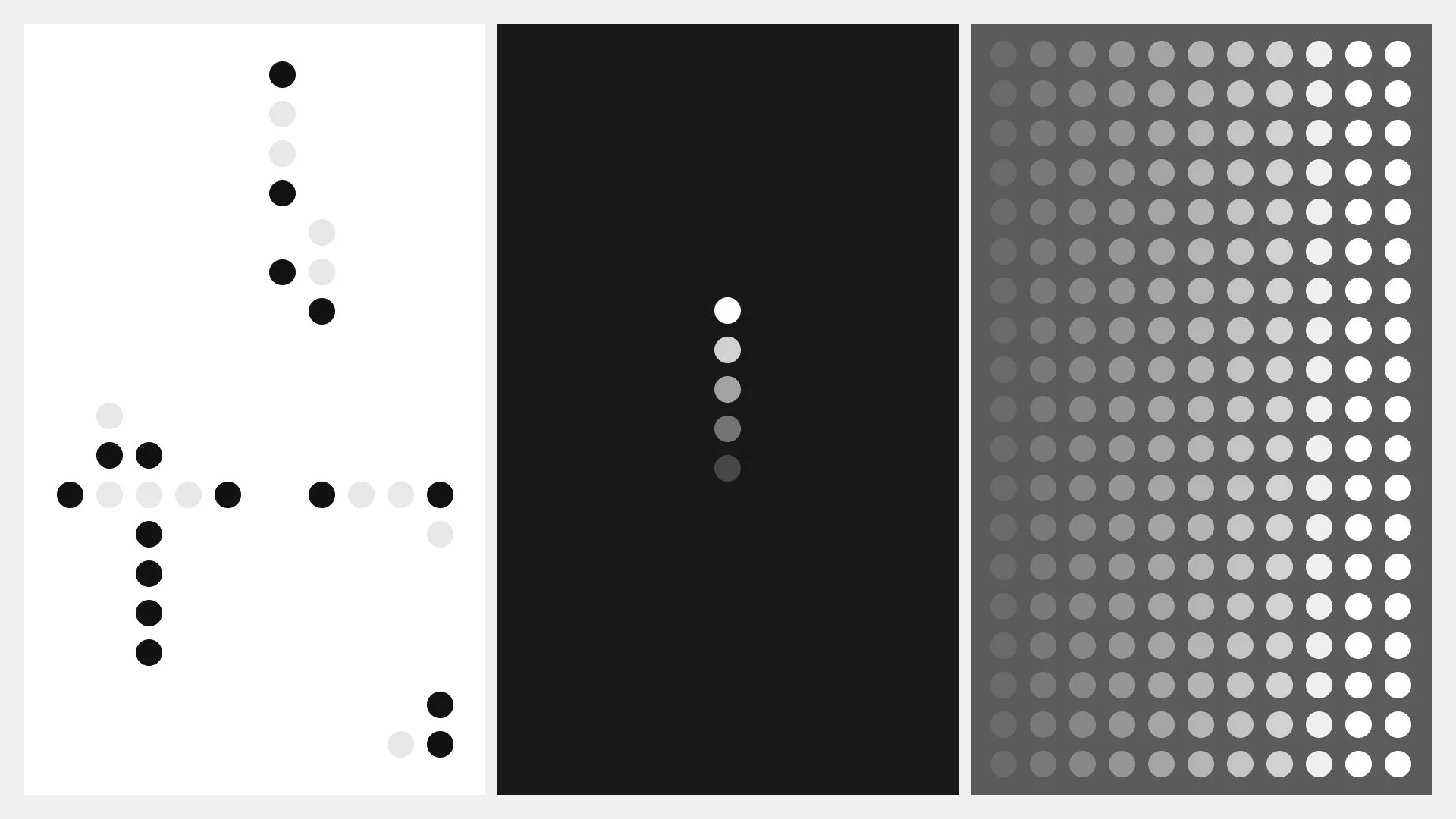
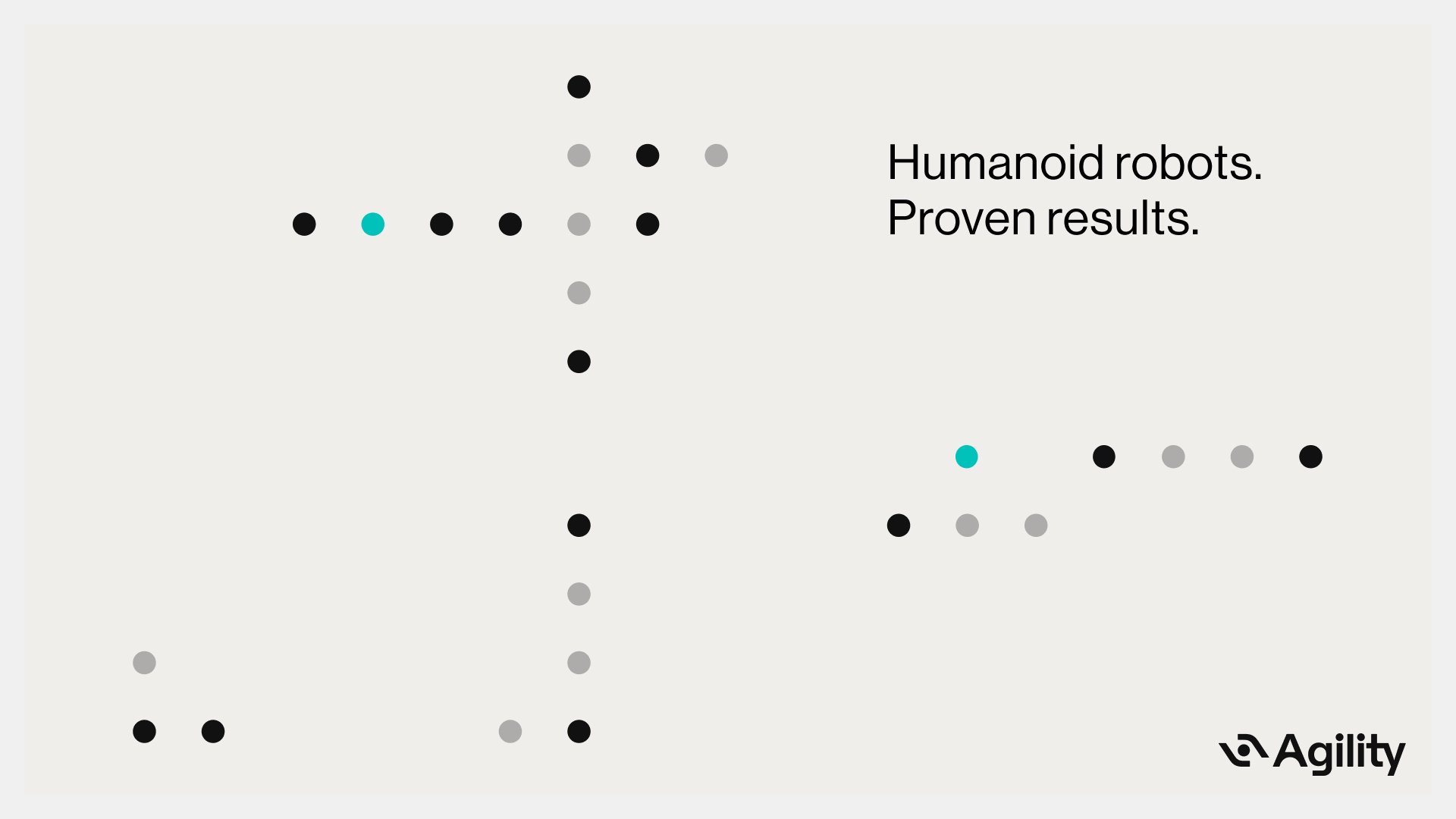
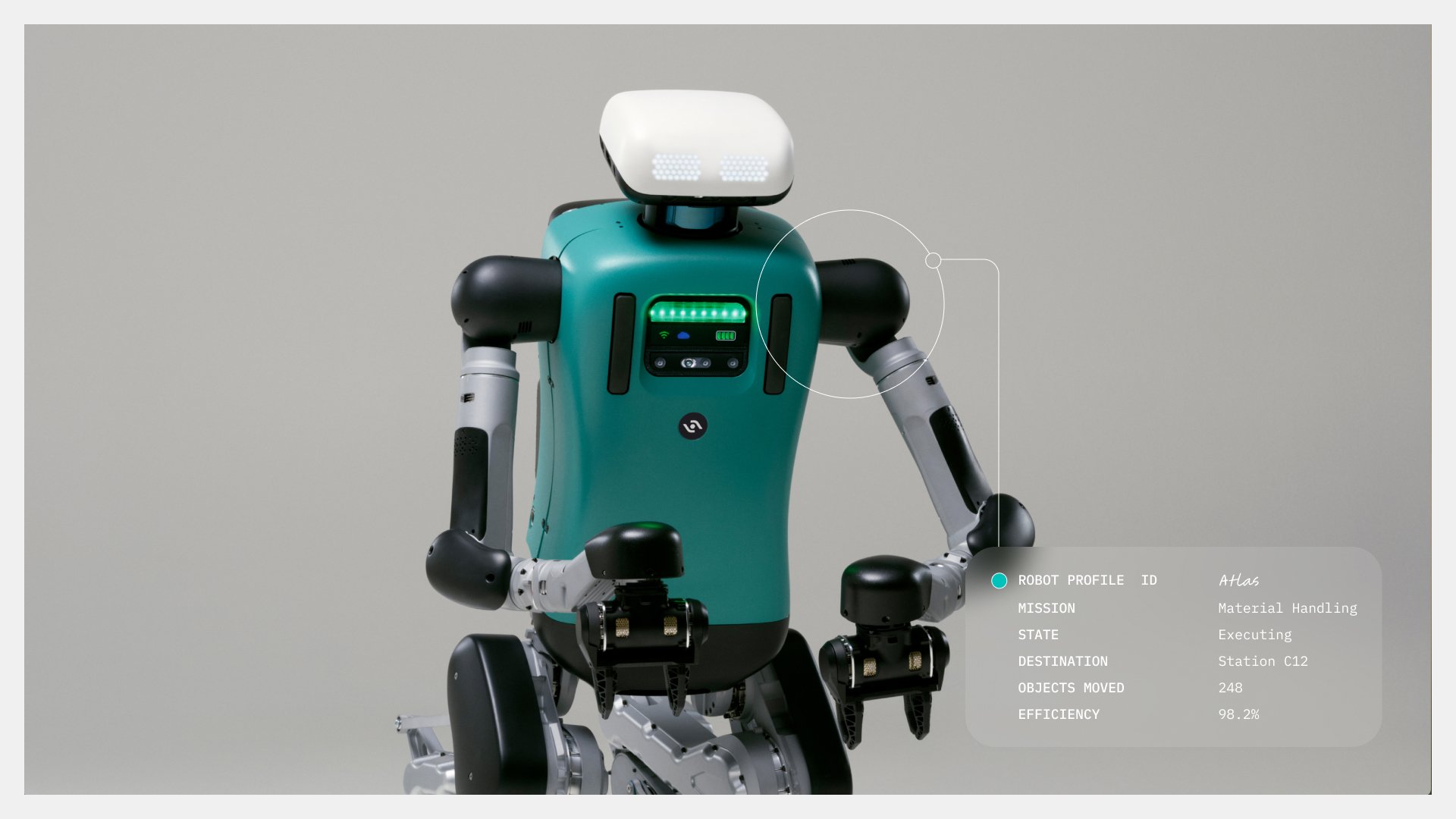
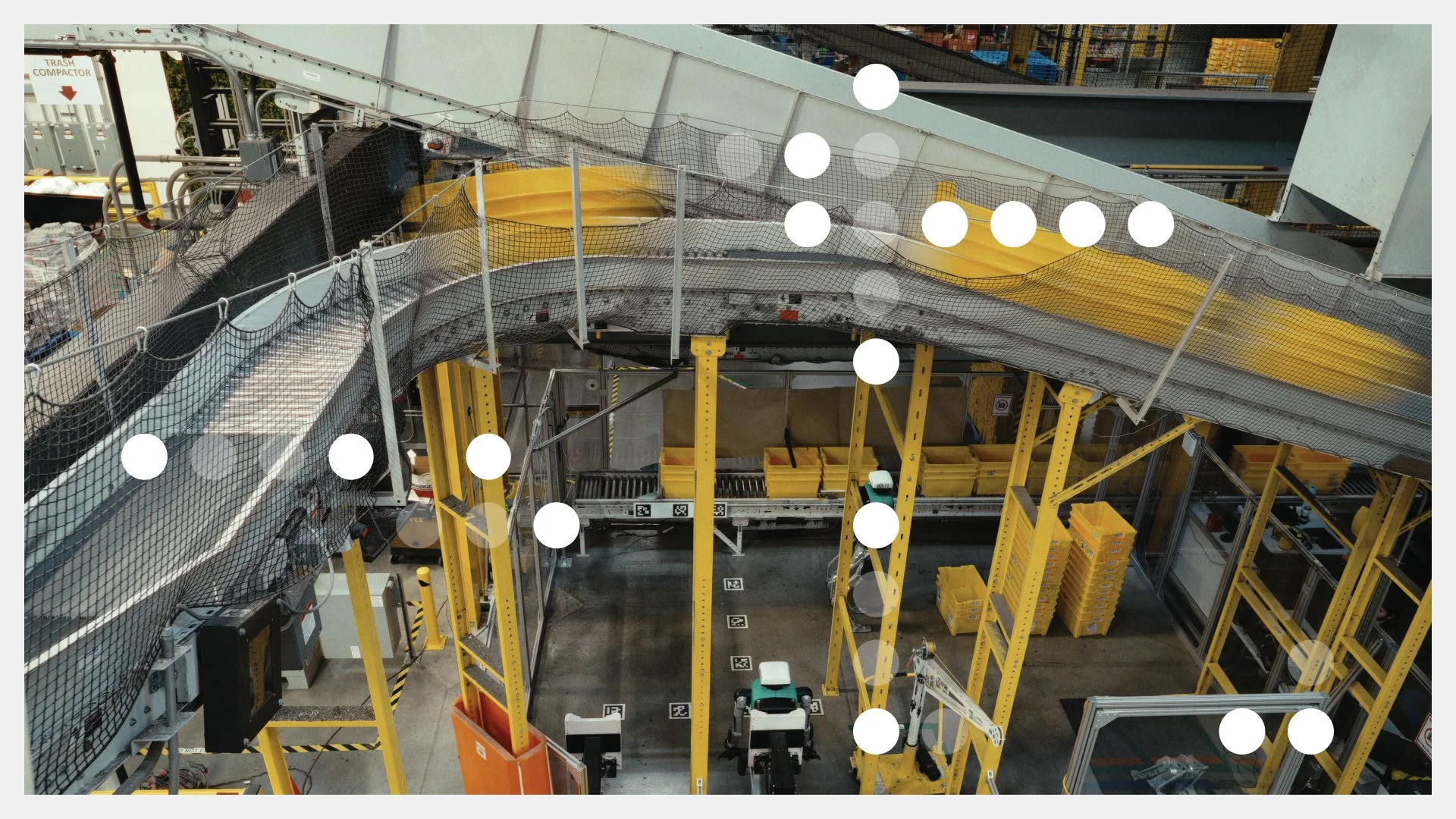
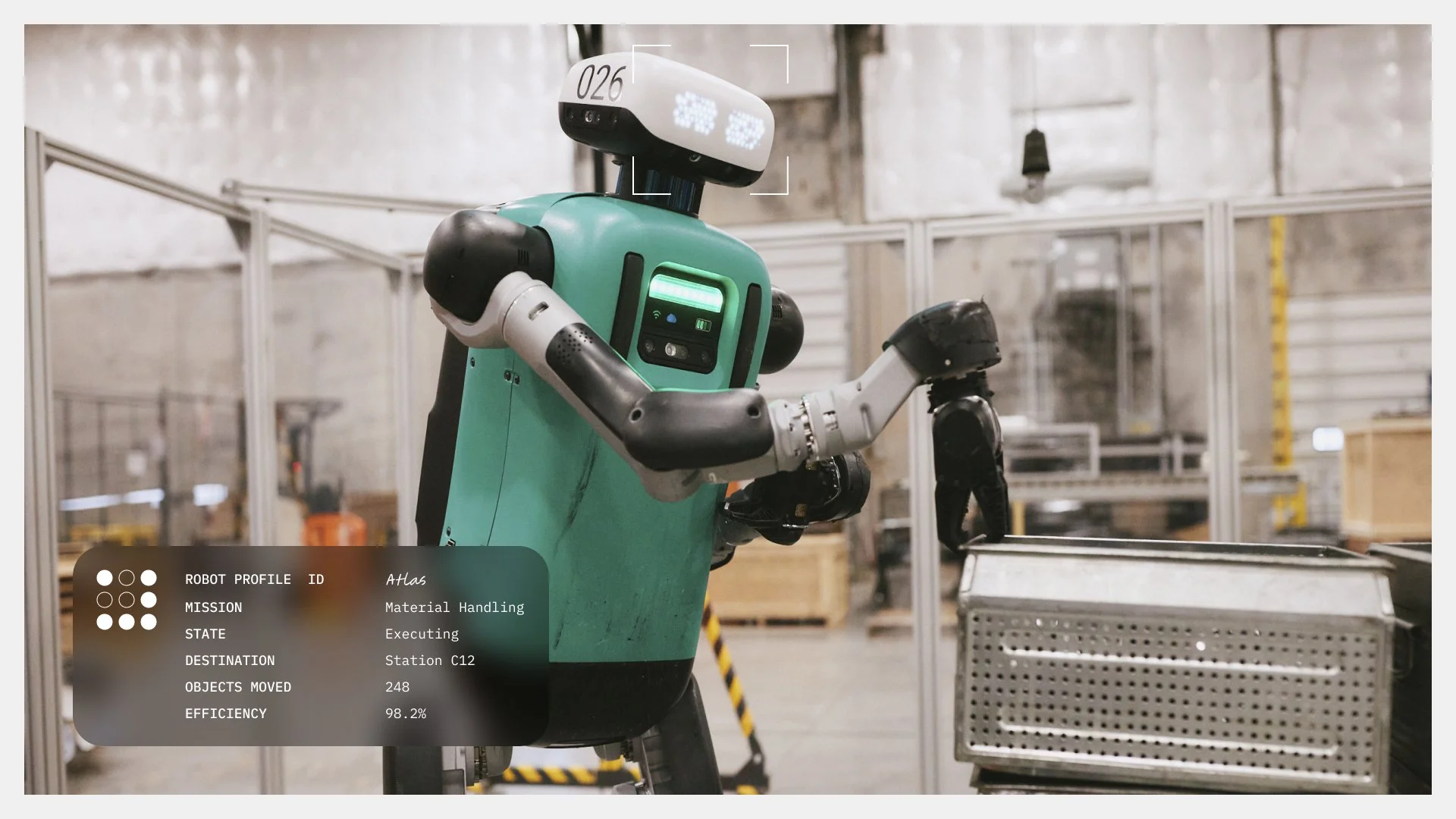
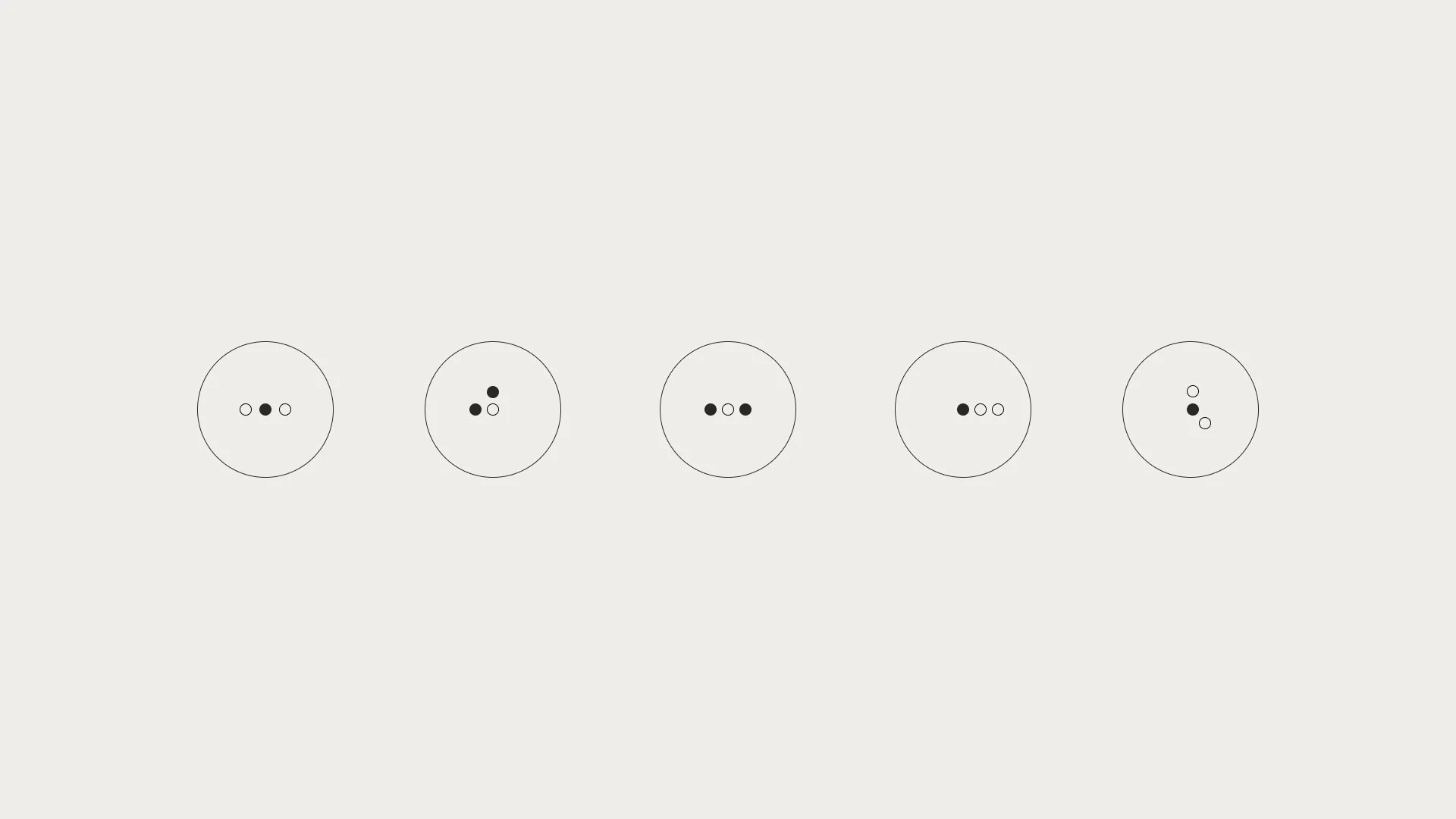
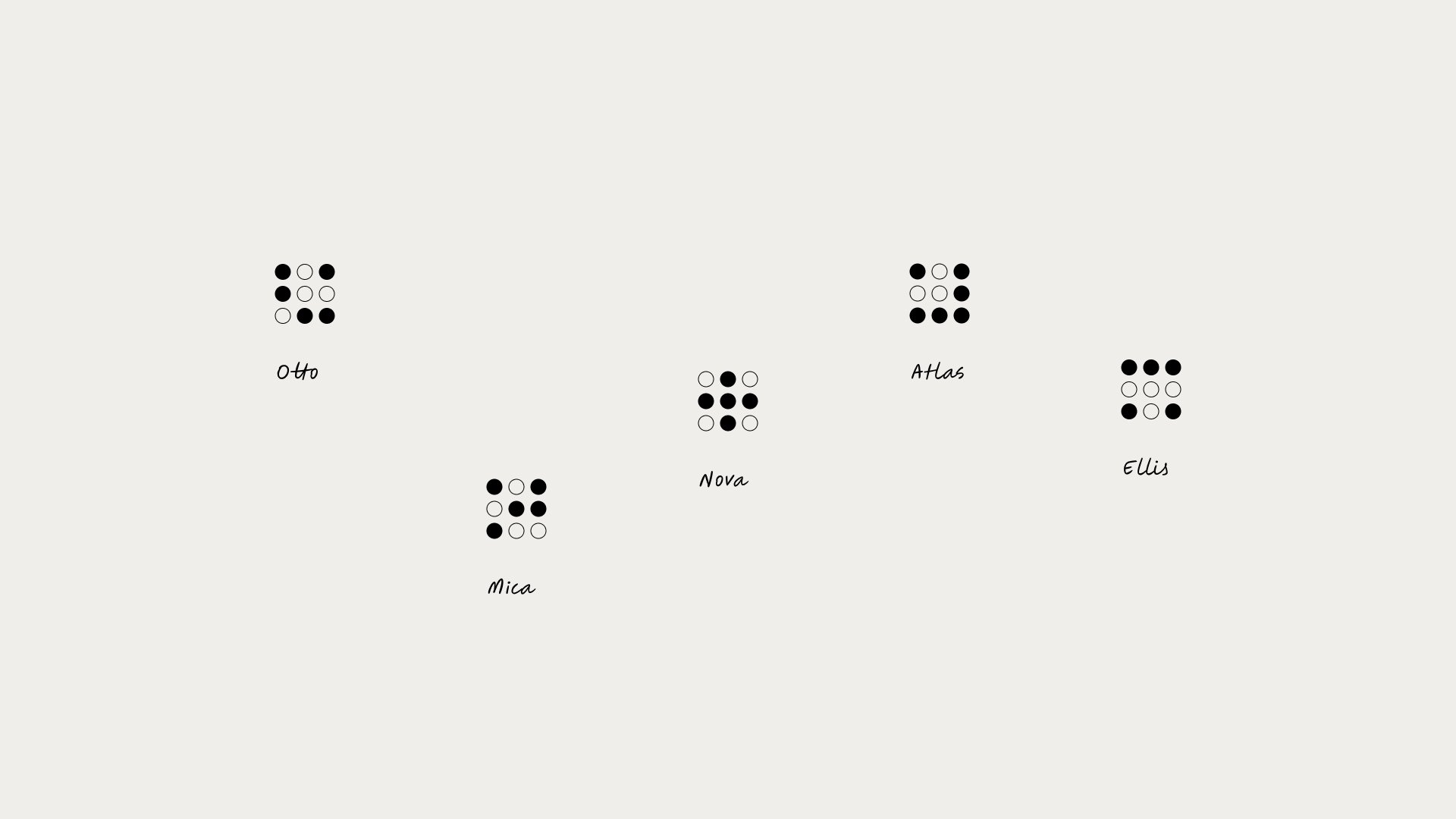
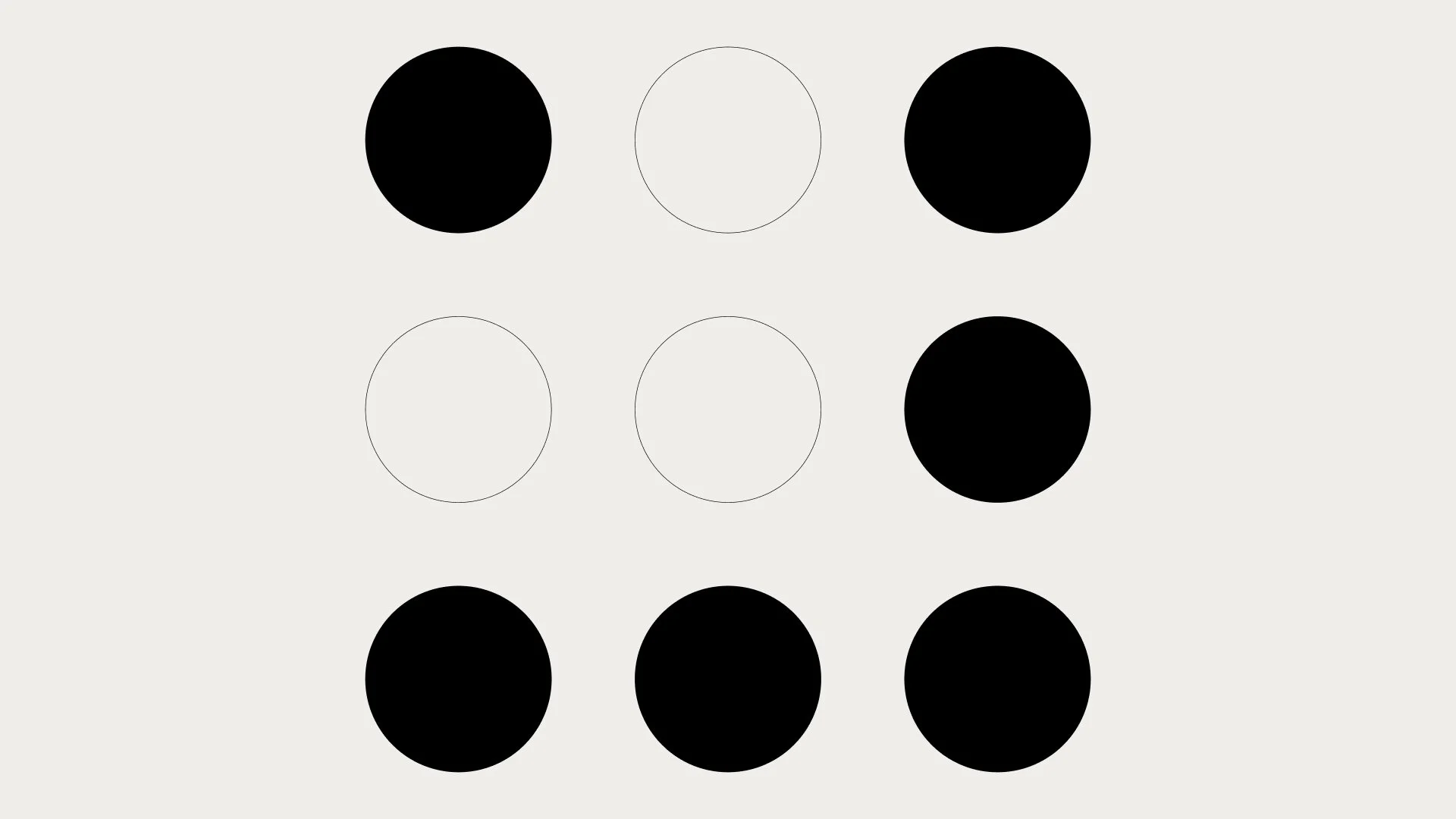
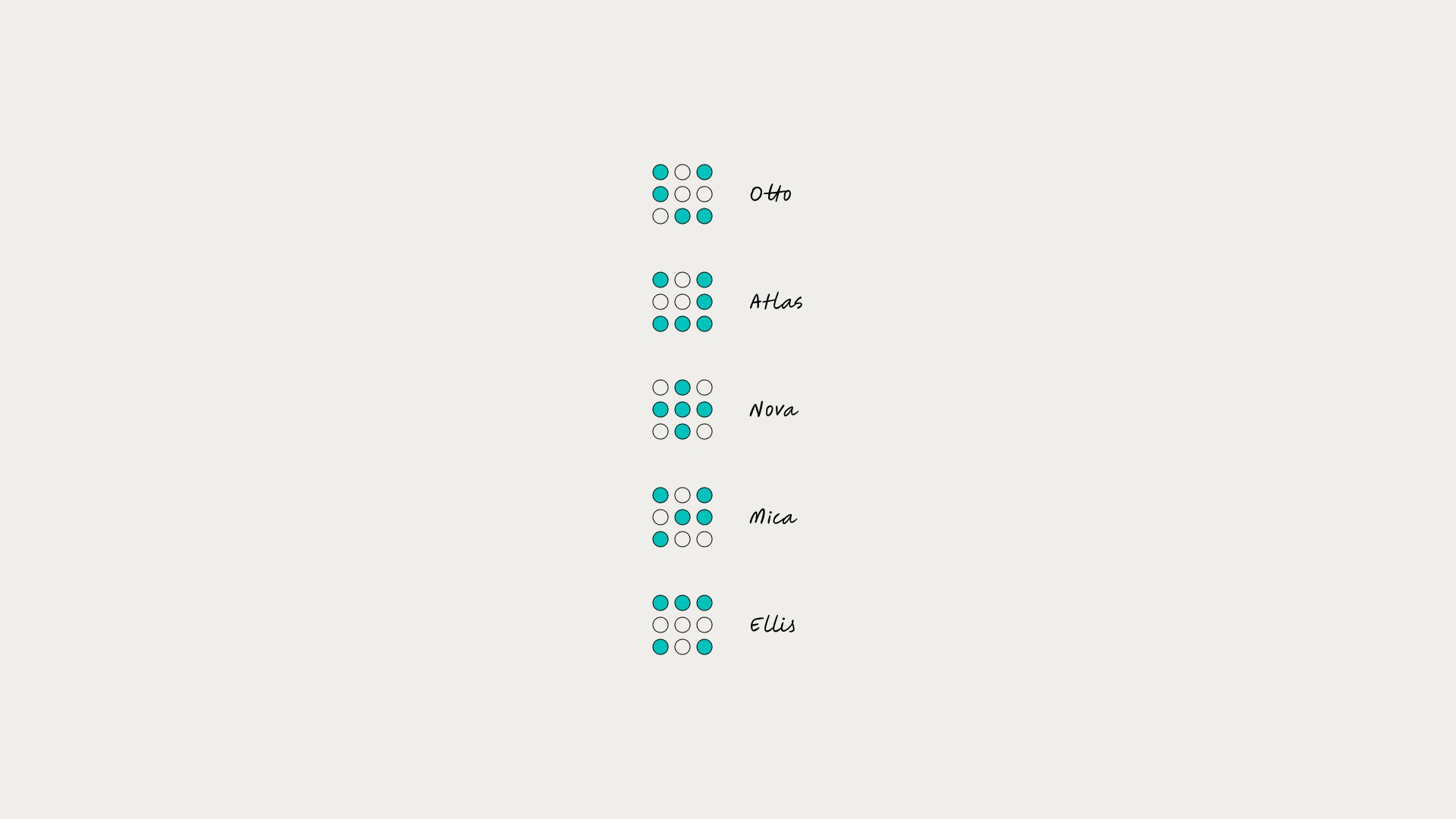
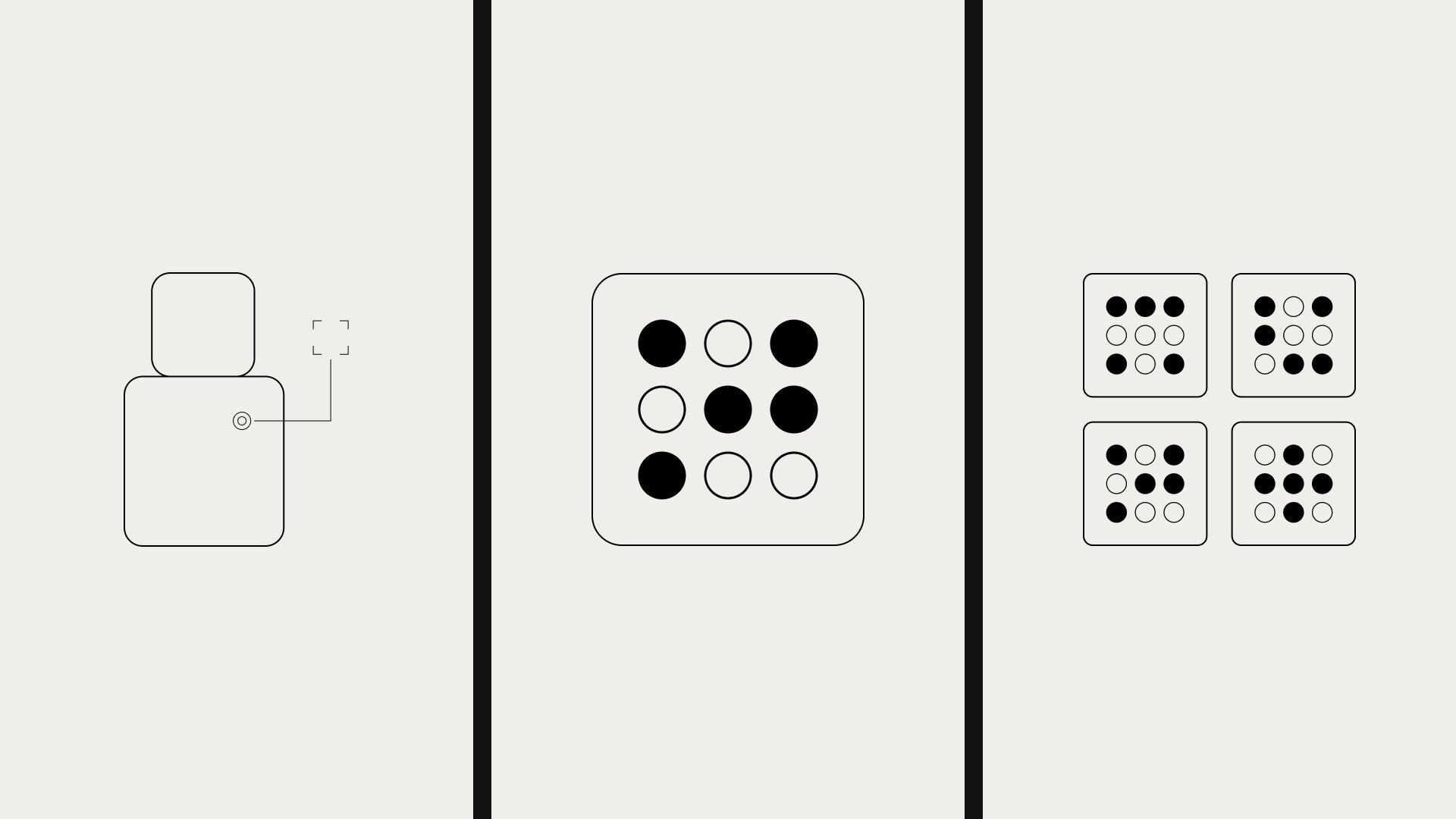
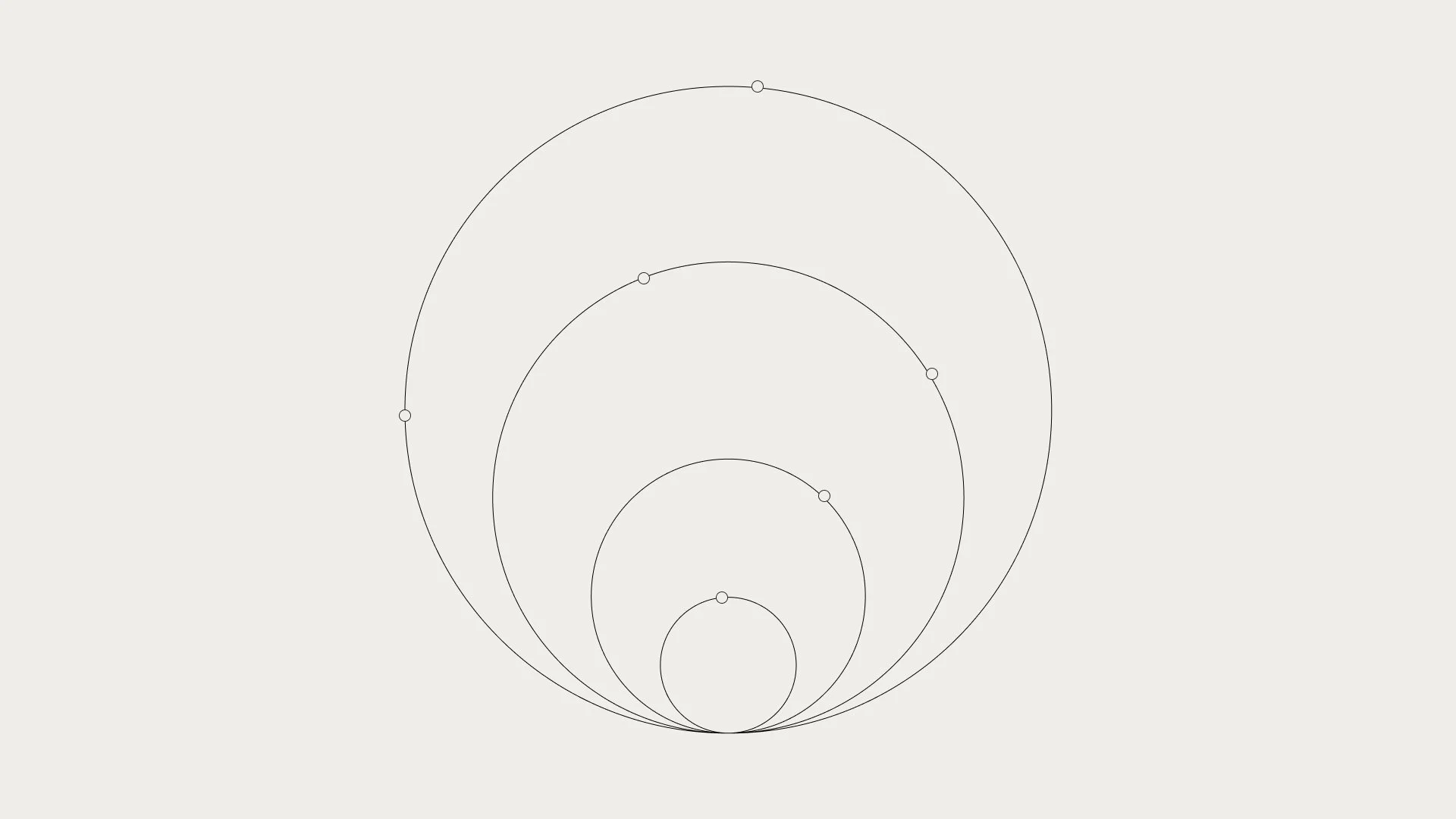
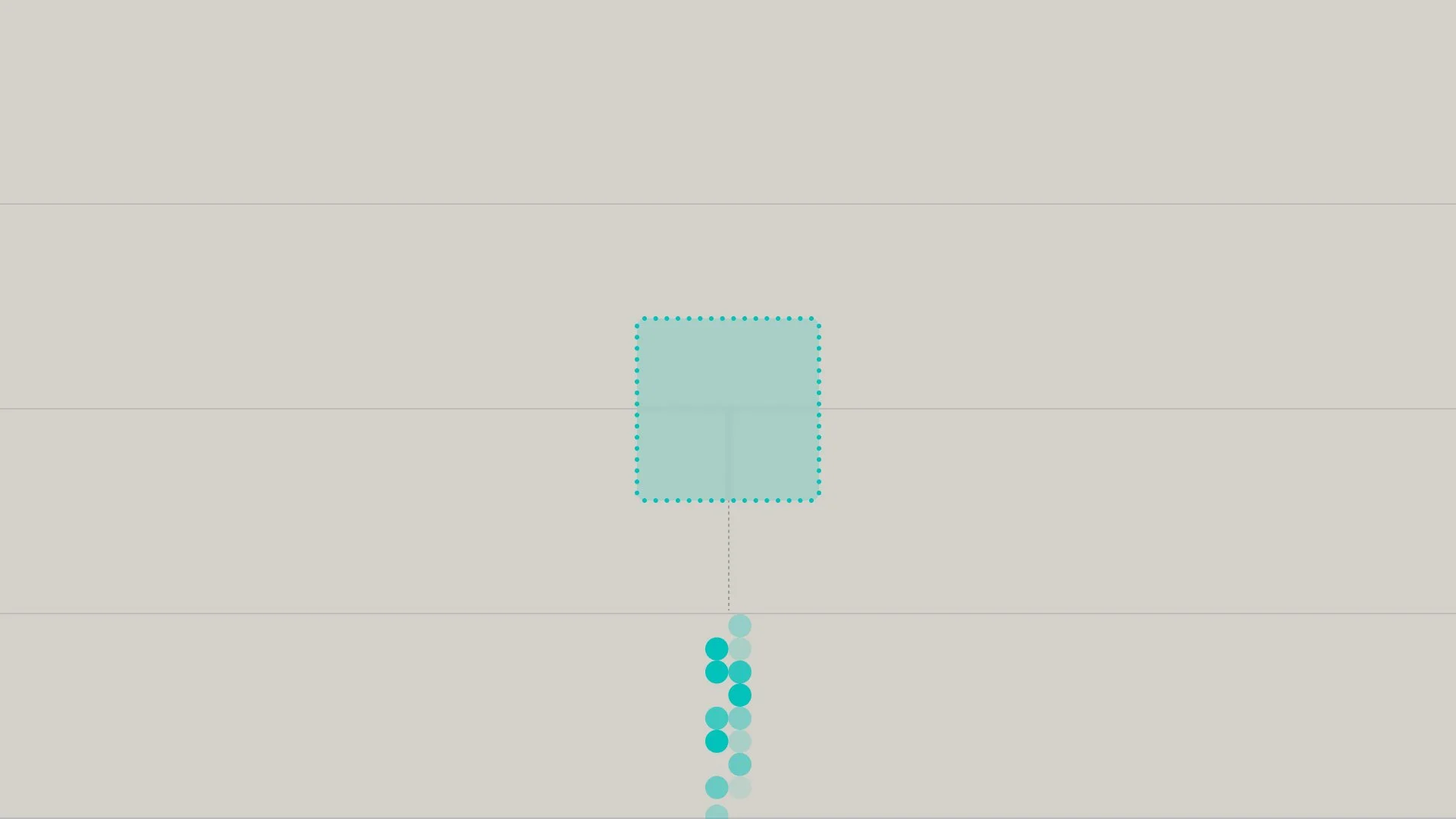
The visual language grows from the robot’s own eyes. Digit’s LED dot grid became the foundation for every graphic element in the series. In this film the grid stacks into layers, splits into a tunnel and maps a working factory floor, and teal is held back for the moments where intelligence takes over. CG renders with line-art callouts reveal the mechanics underneath, so the AI always connects back to the body running it.
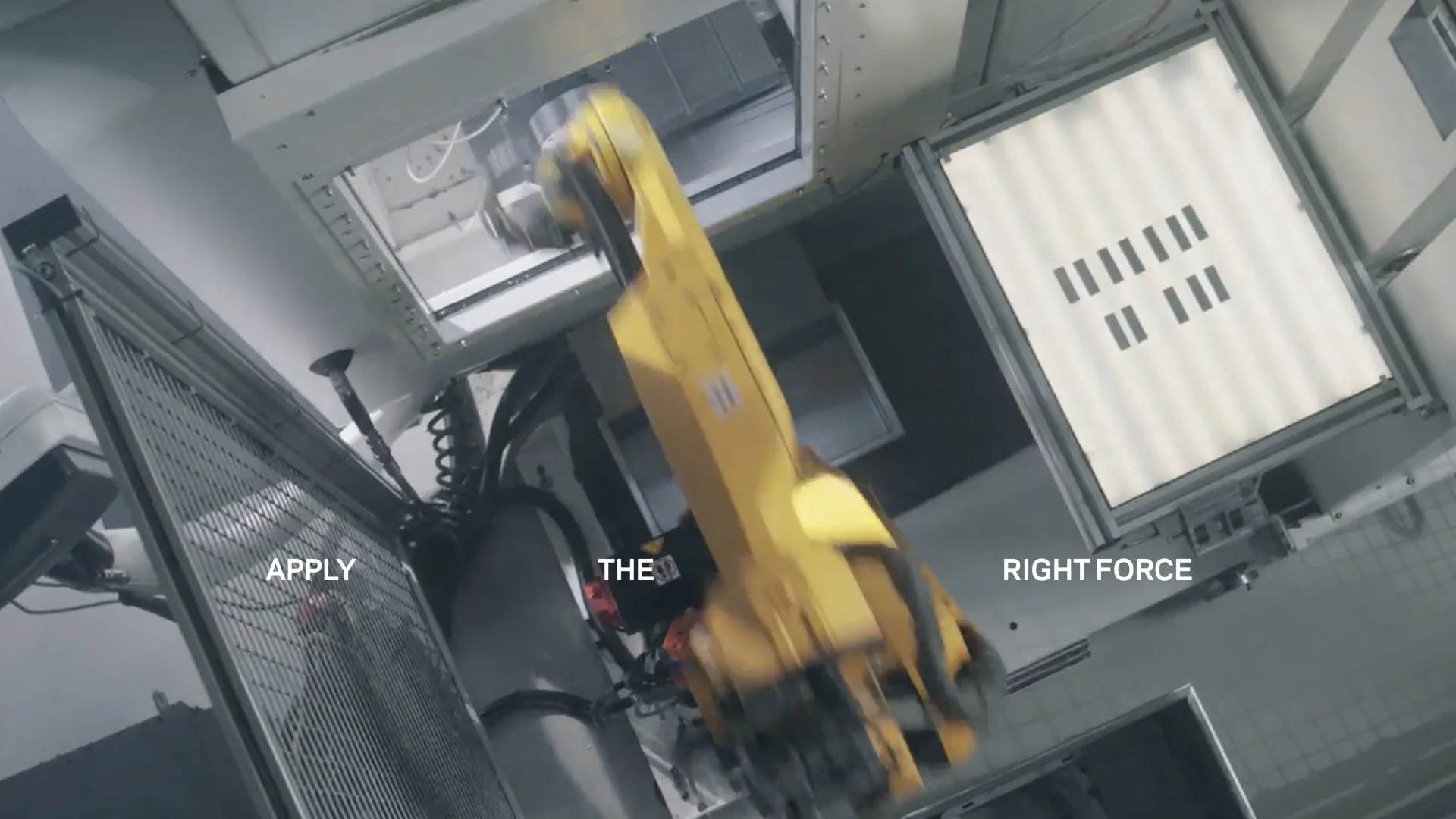
On the live-action side, we went for real human moments on the factory floor, contrasted with highly digital shots, hardware close-ups and the robot’s own point of view. Fast editorial keeps the interviews as compelling as the technology and moves easily between film and animation.
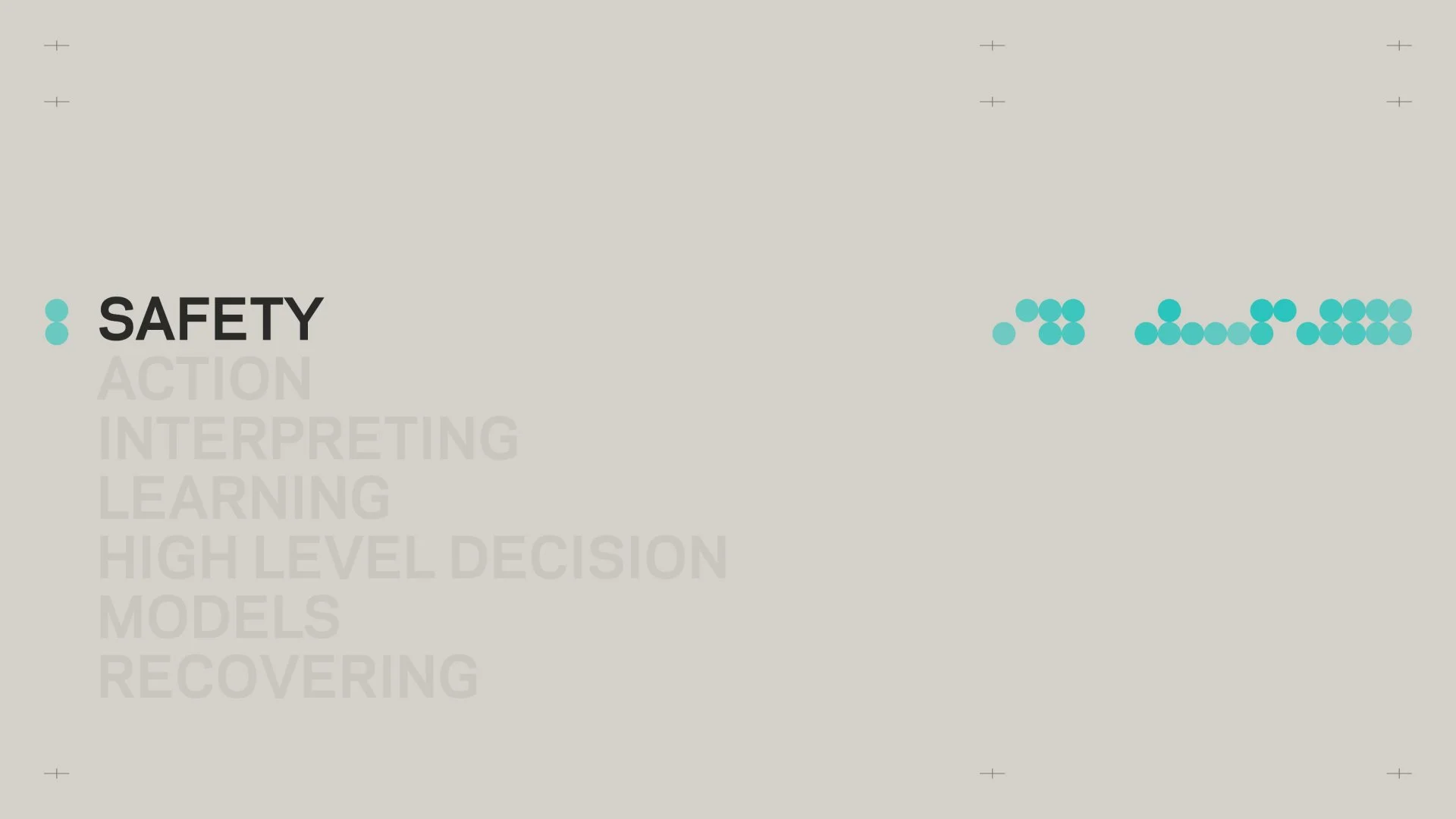
SAFETY
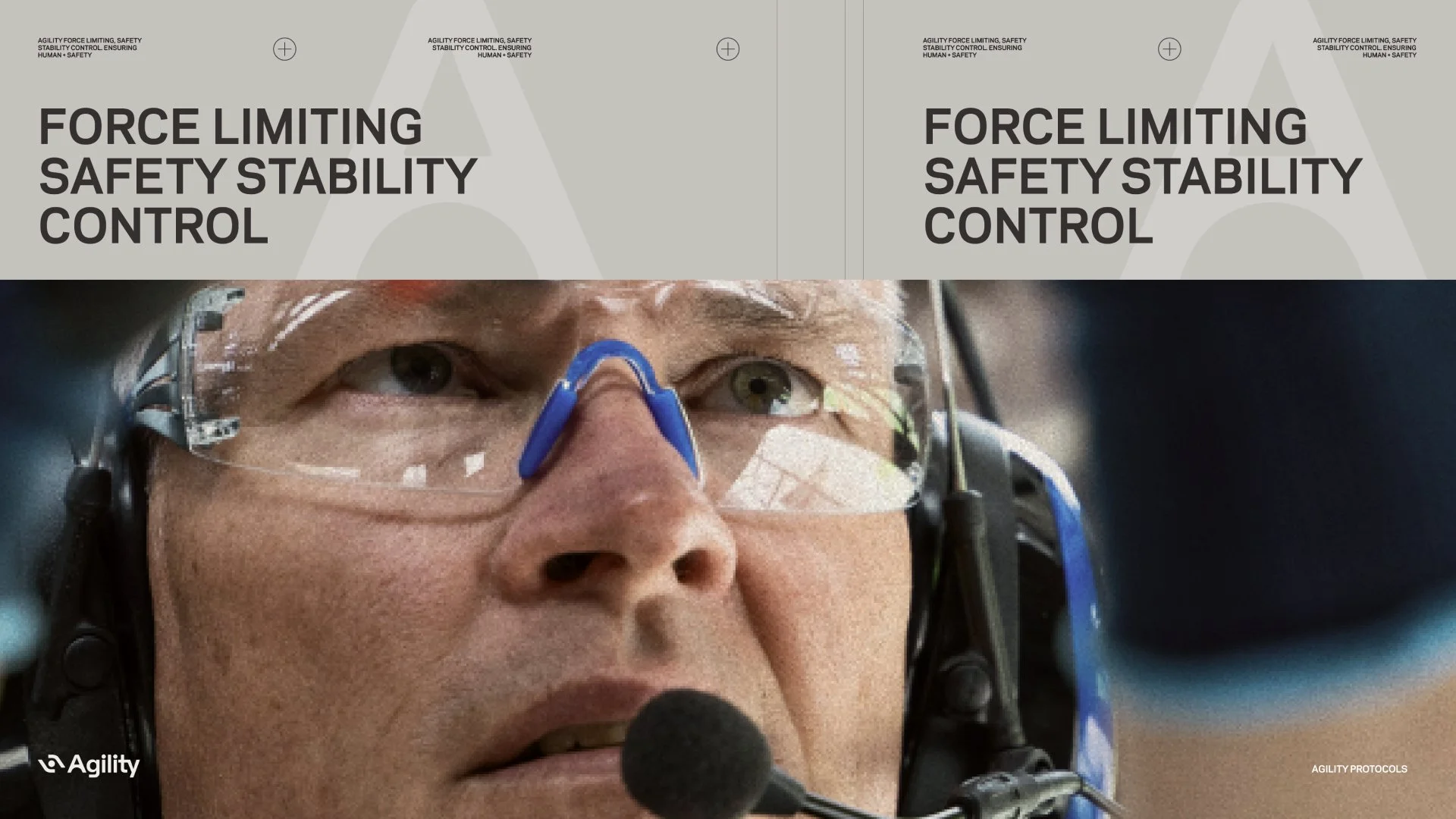
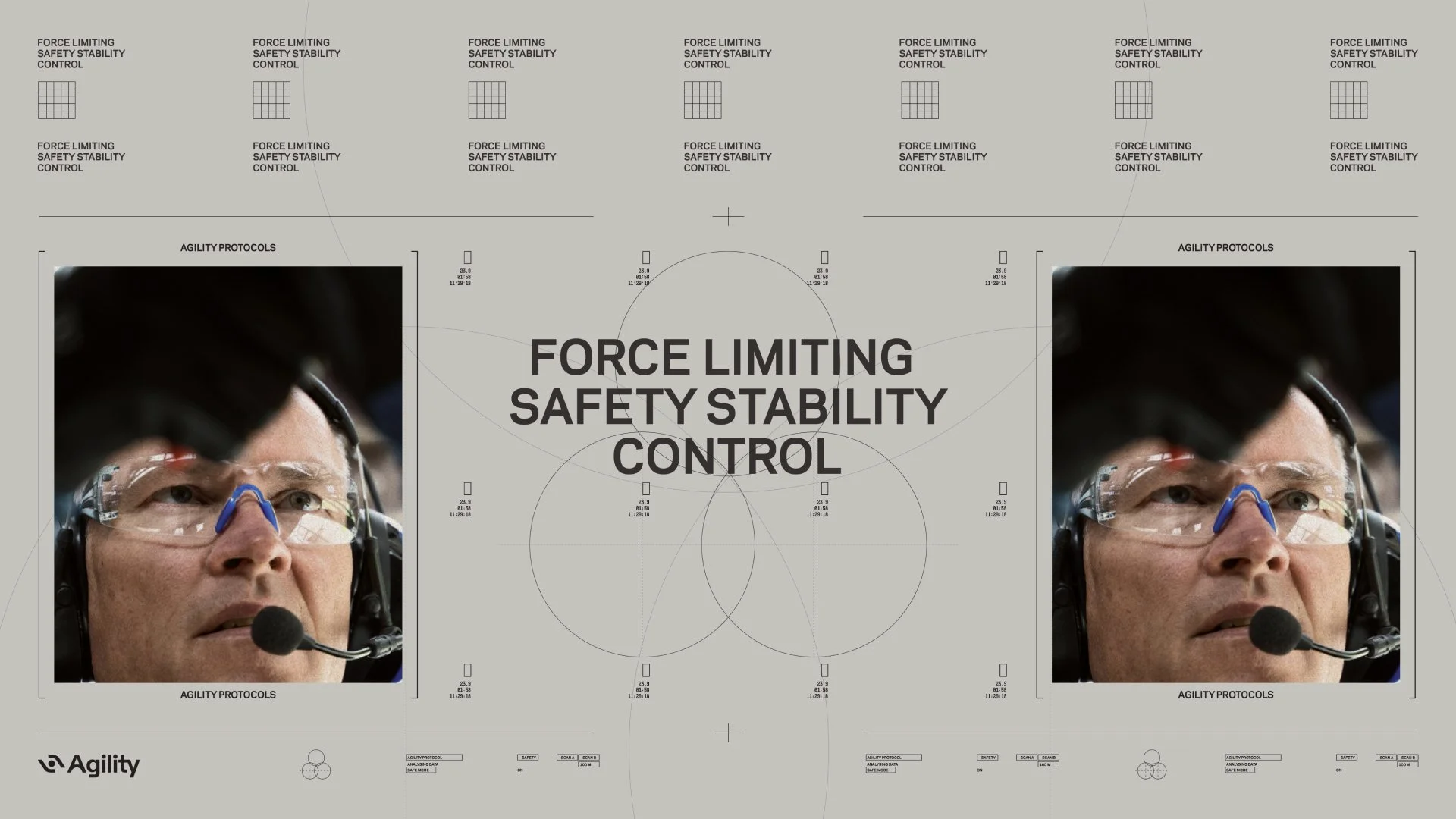
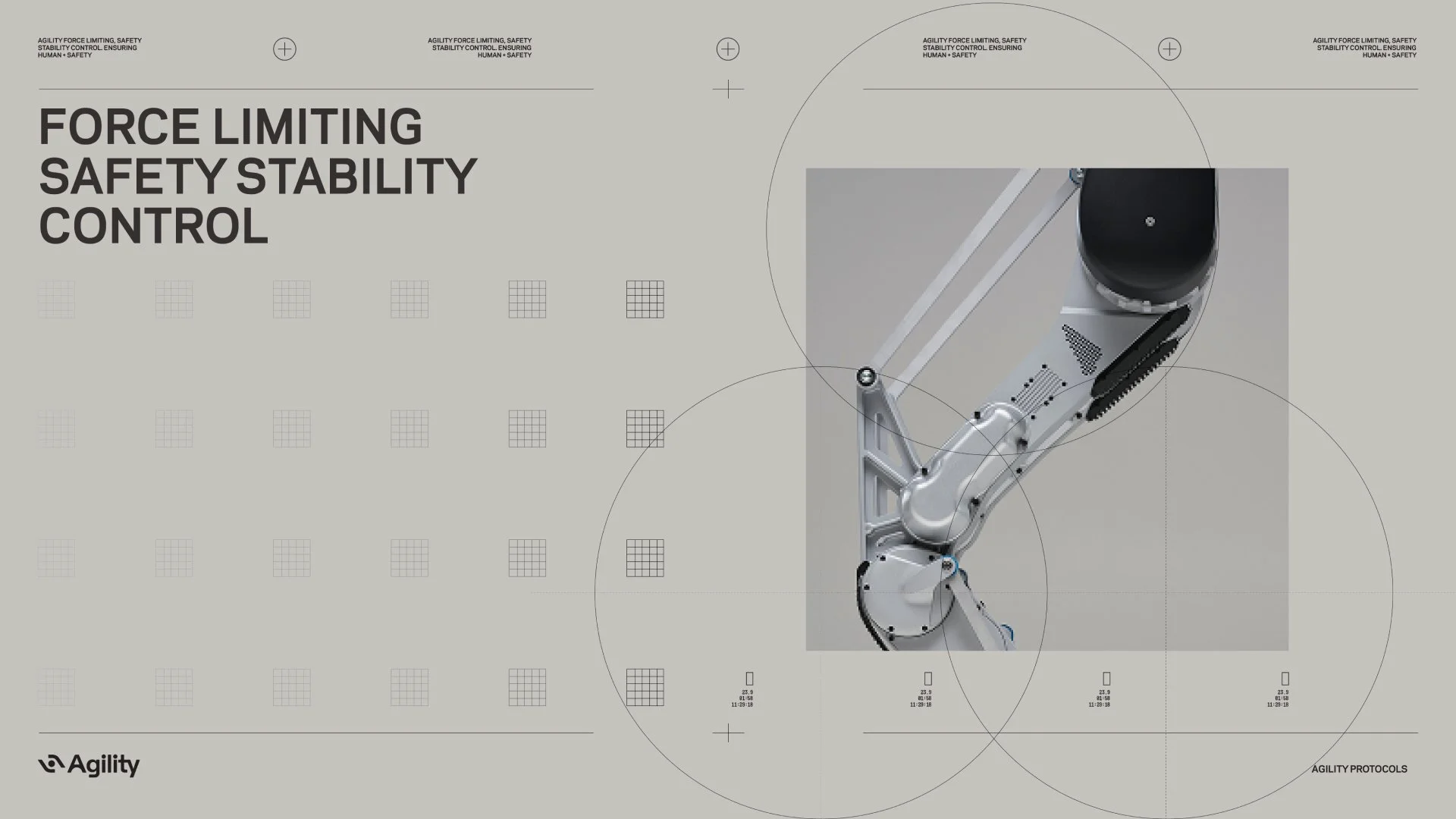
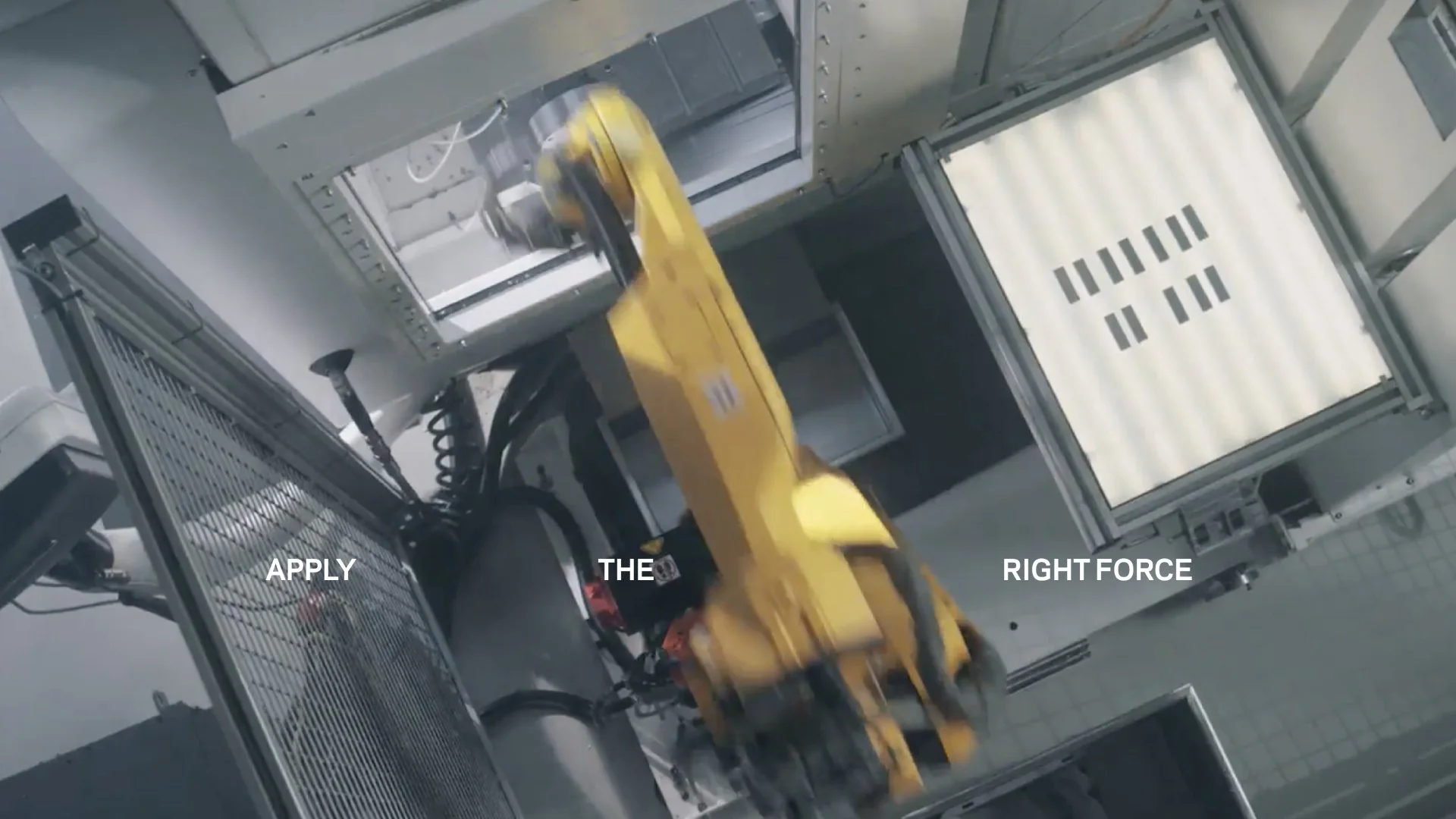
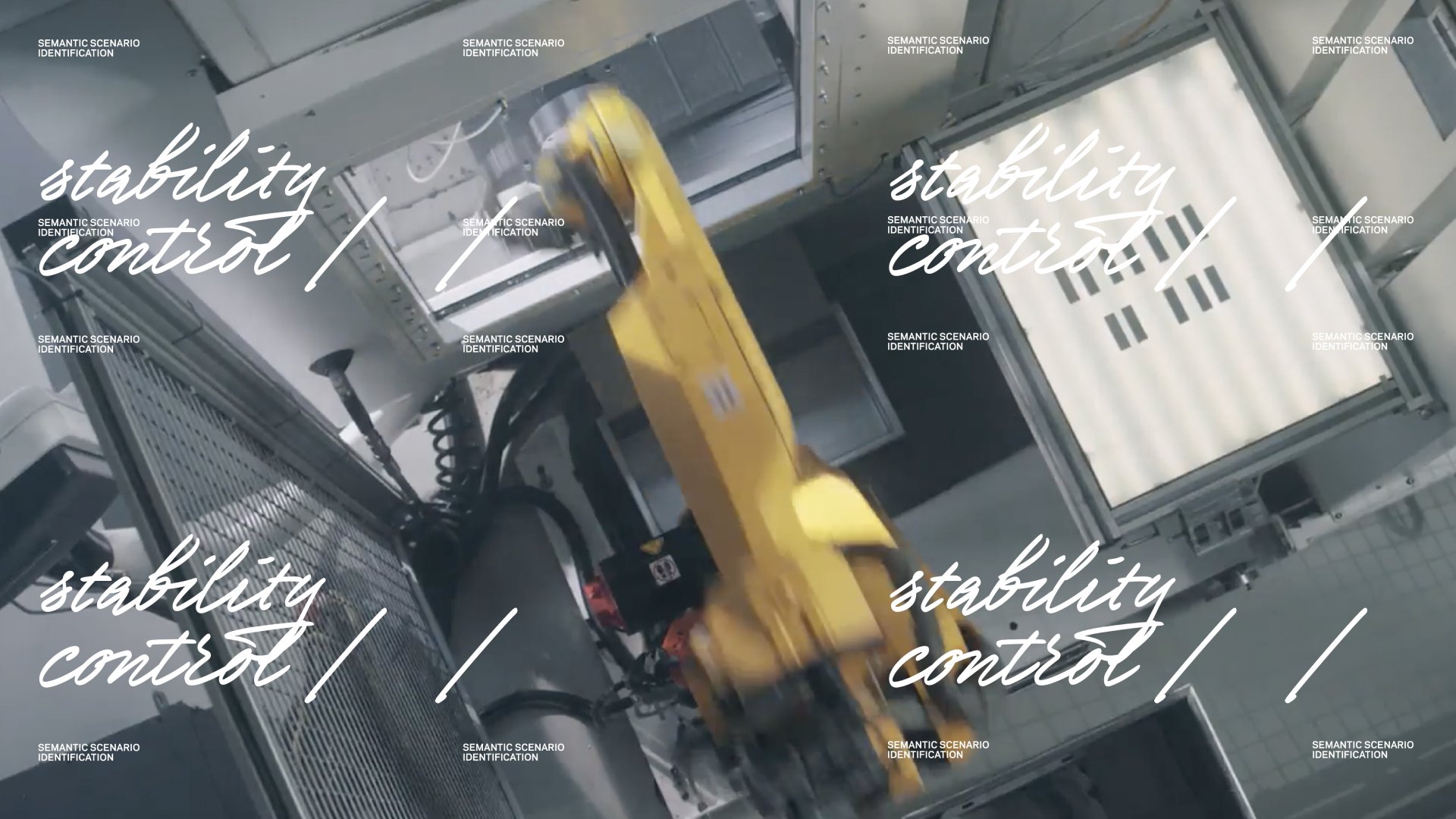
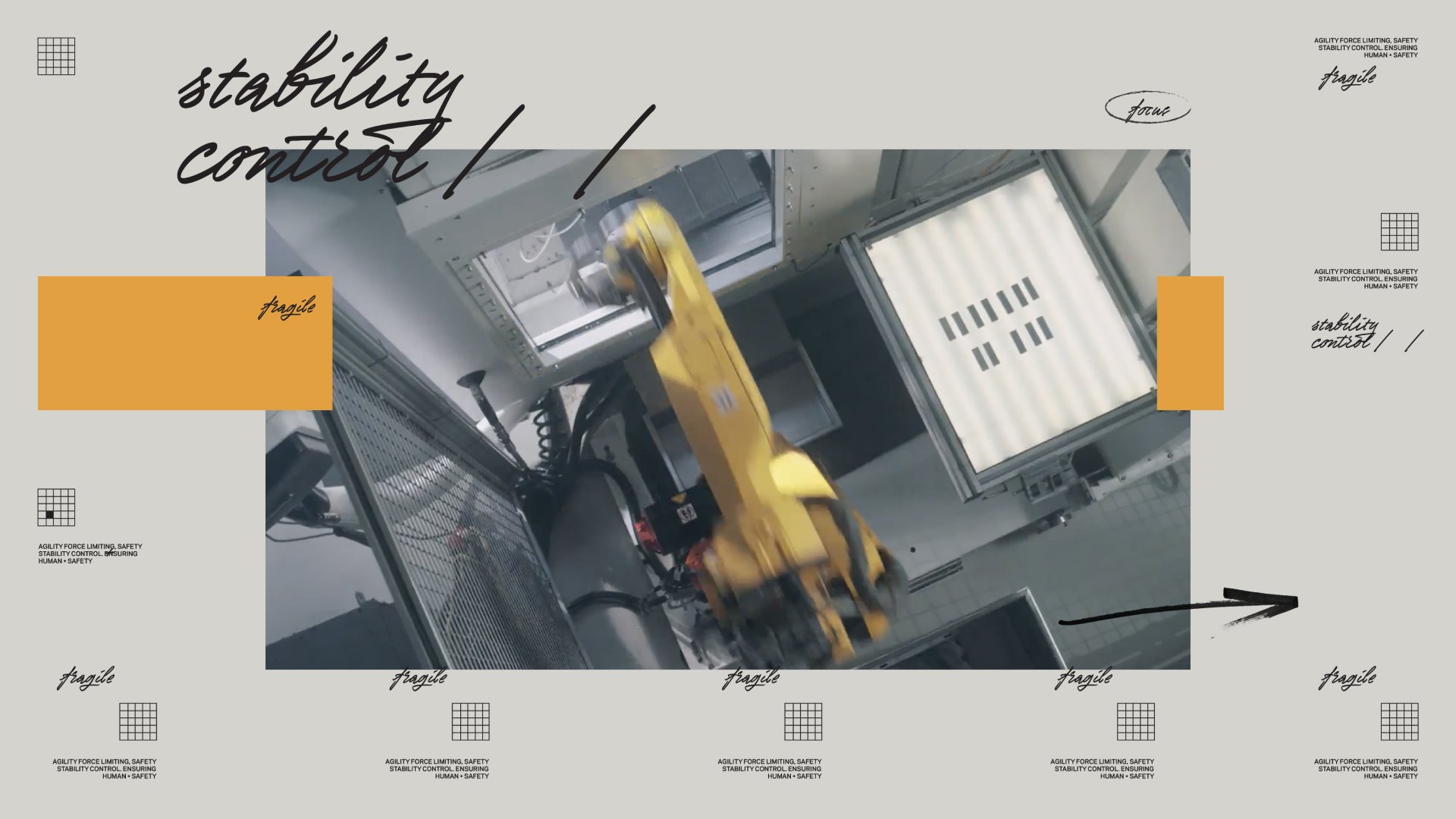
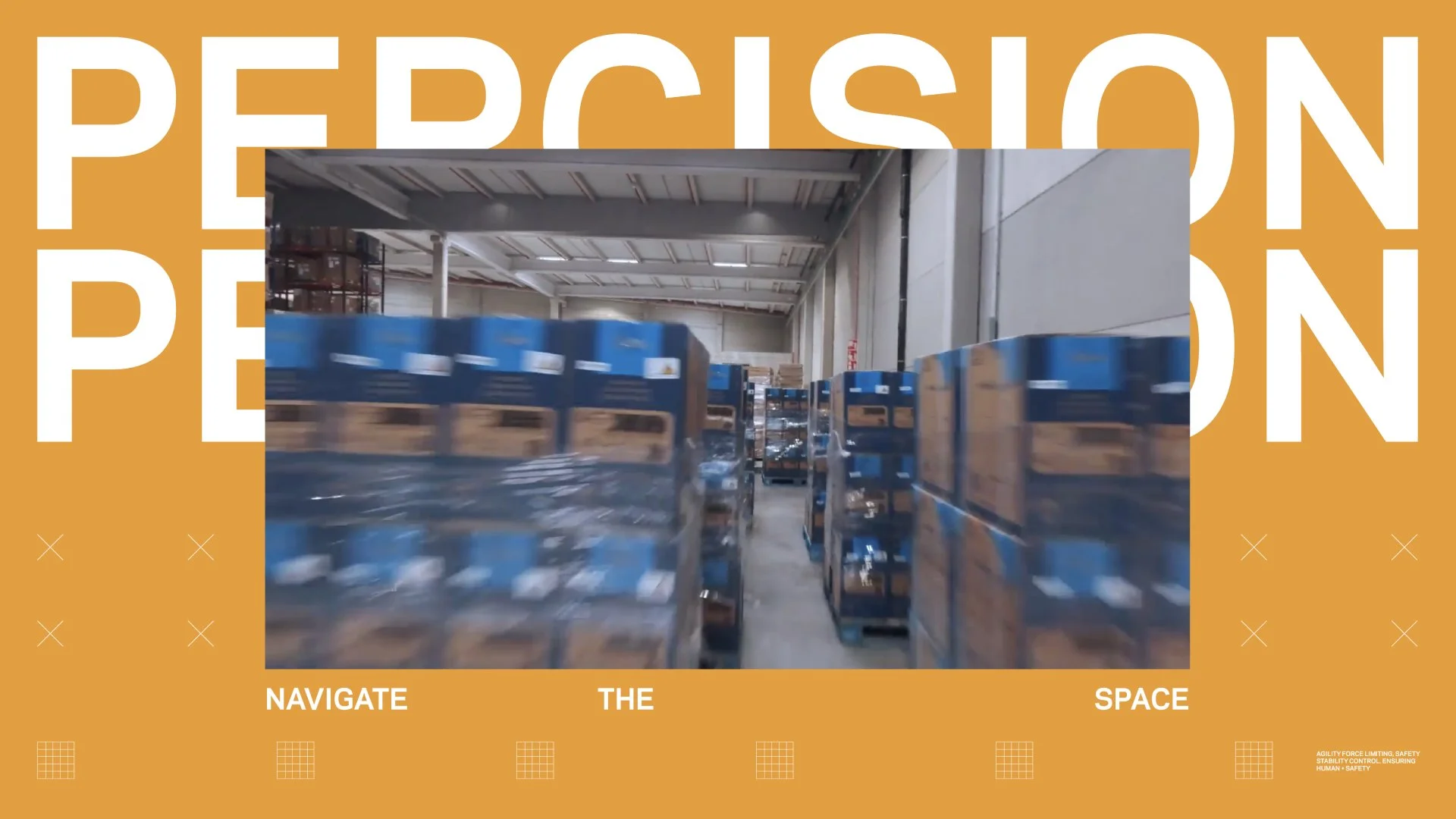
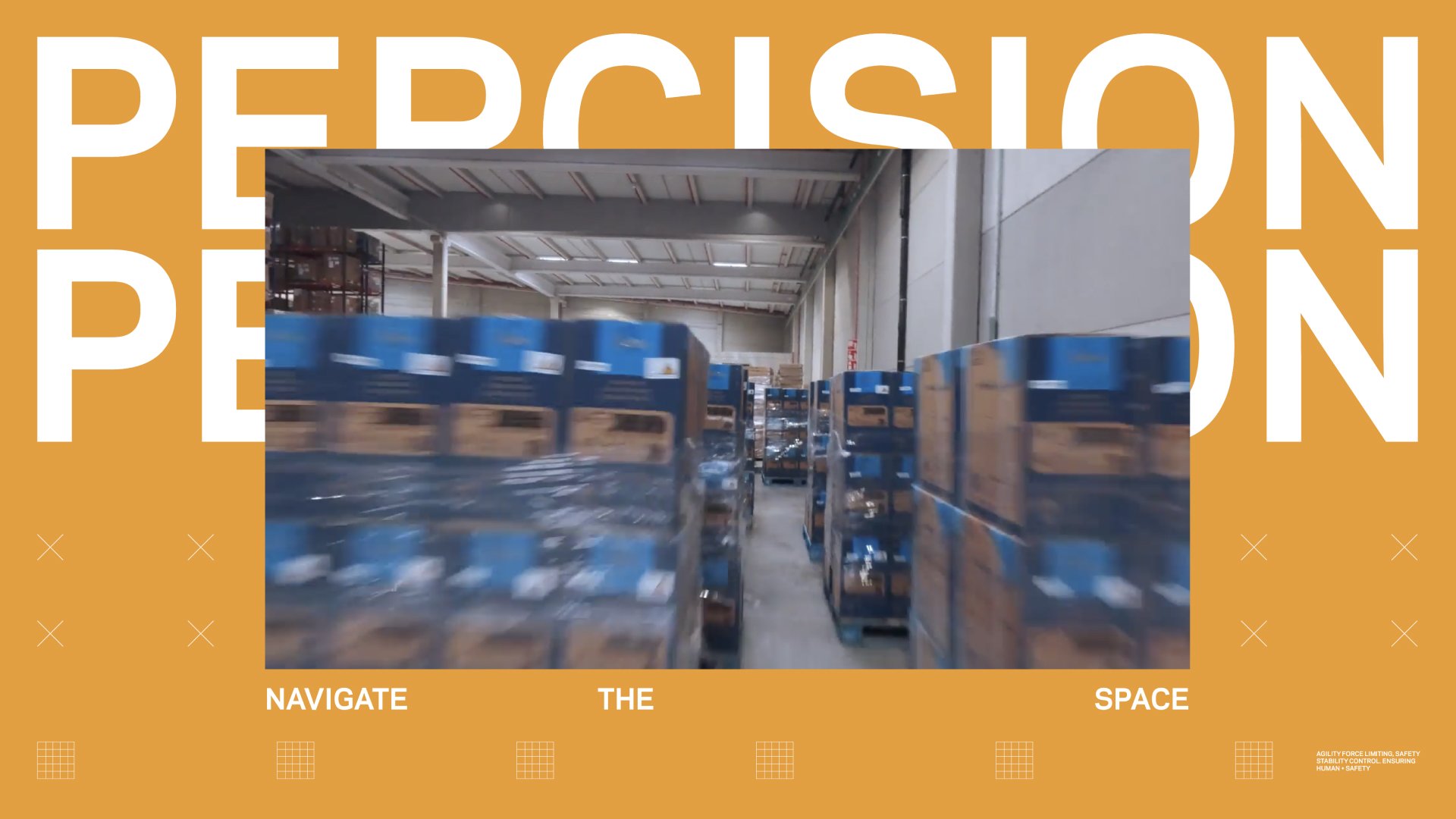
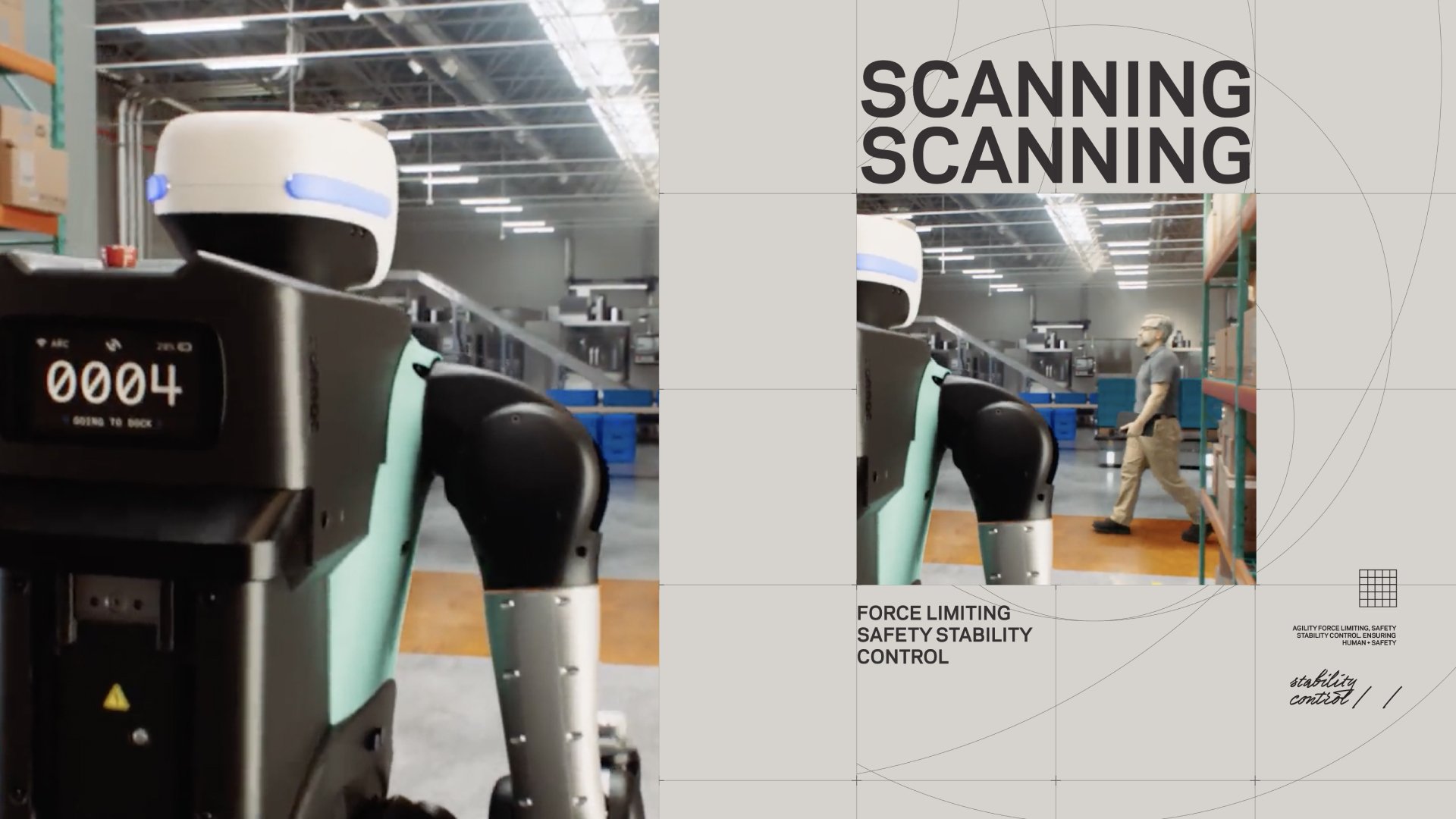
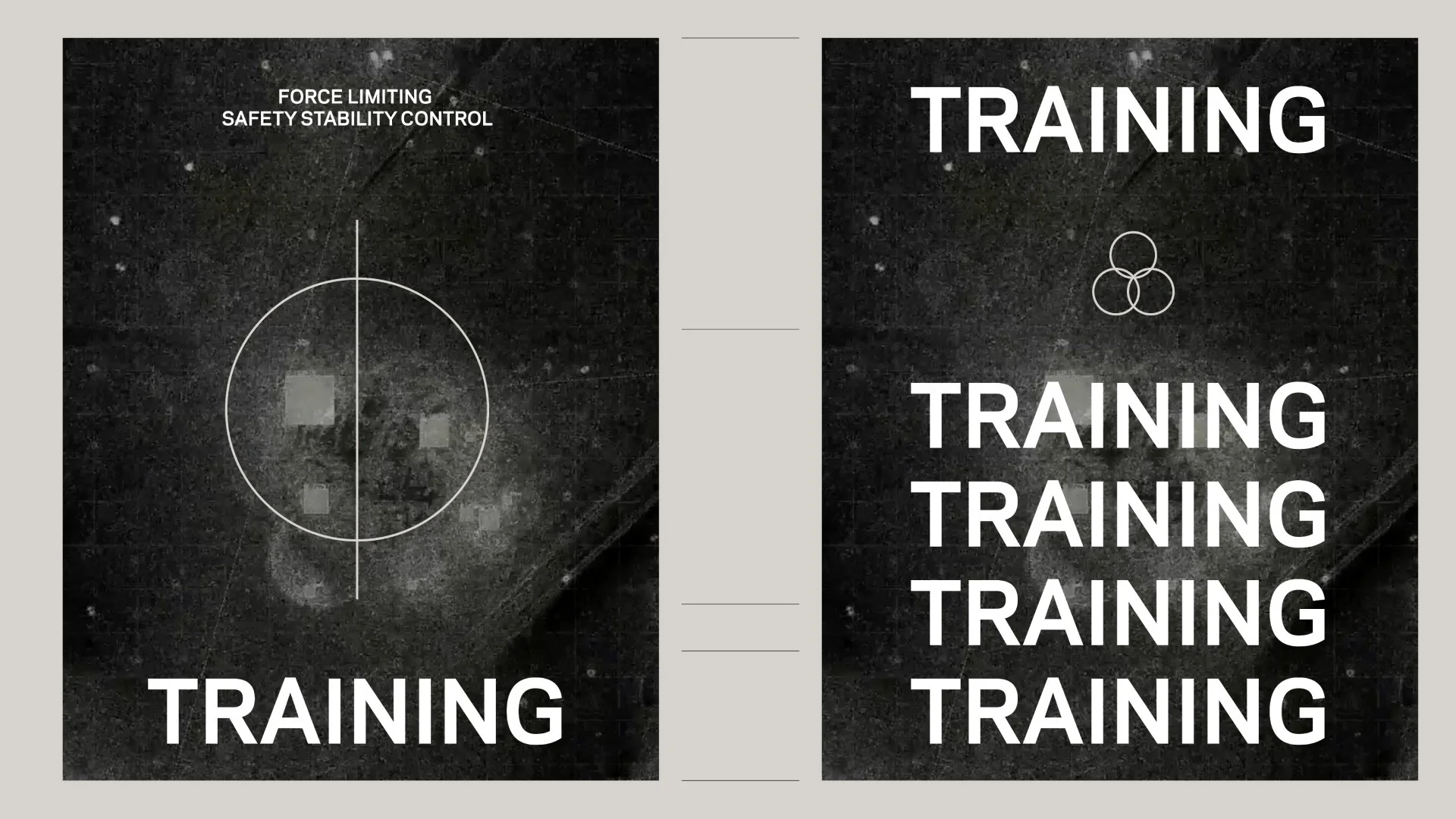
Before robots can work beside us, they need to understand and function in the space between us. This film looks at the safety thresholds that are taking down the barrier that has long kept humans and robots separate, and how each one cleared opens a new category of real-world work.
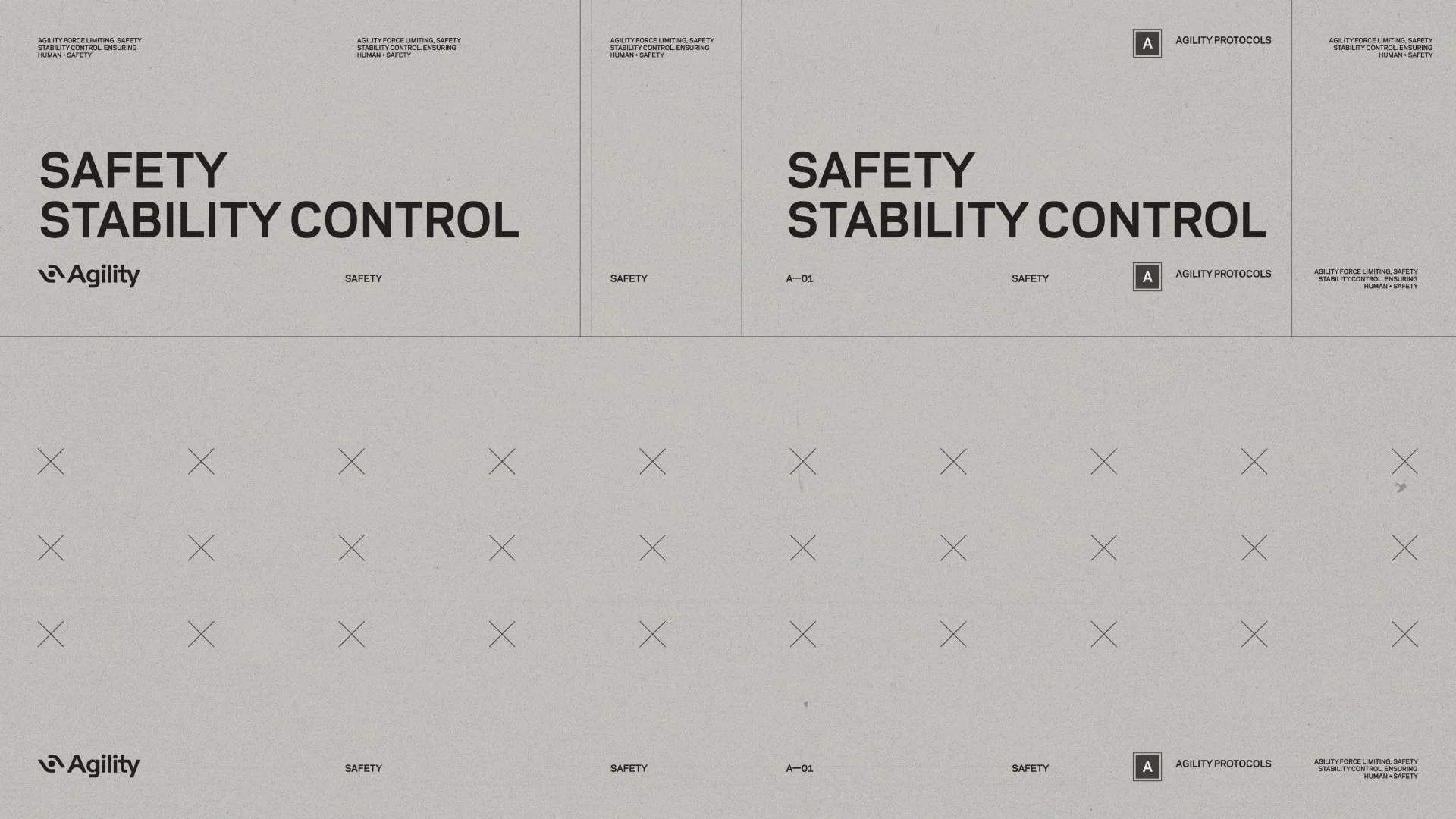
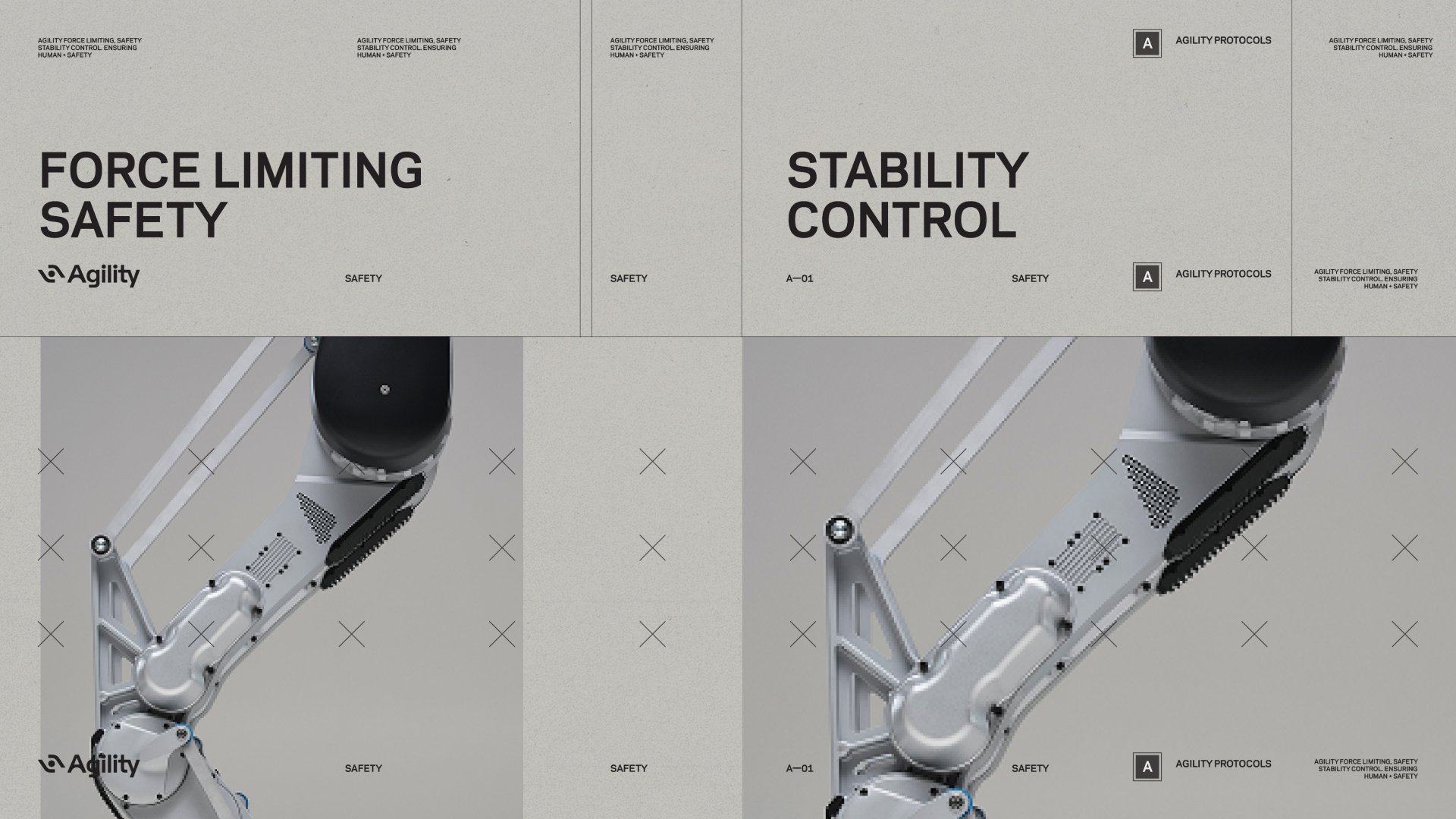
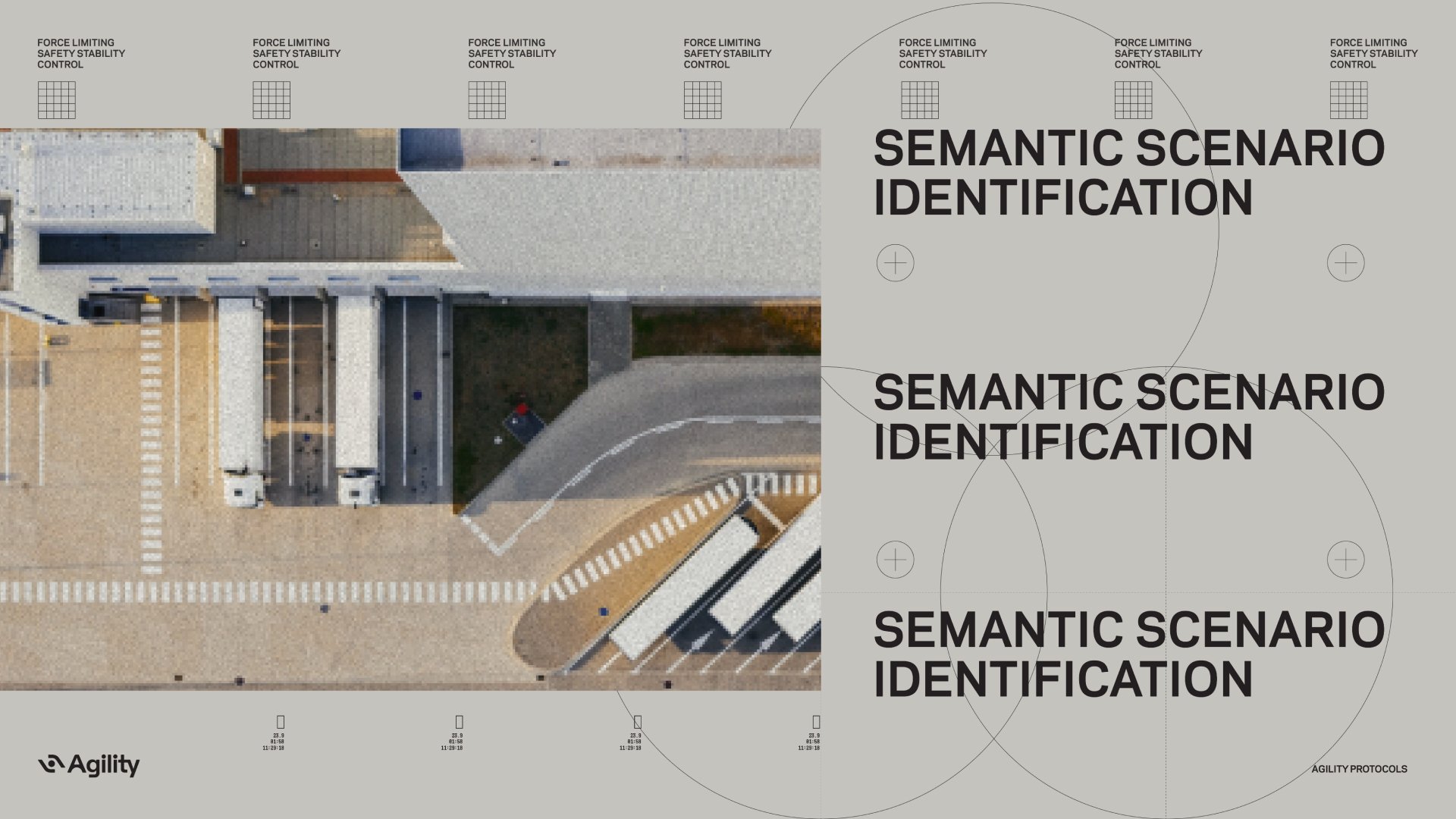
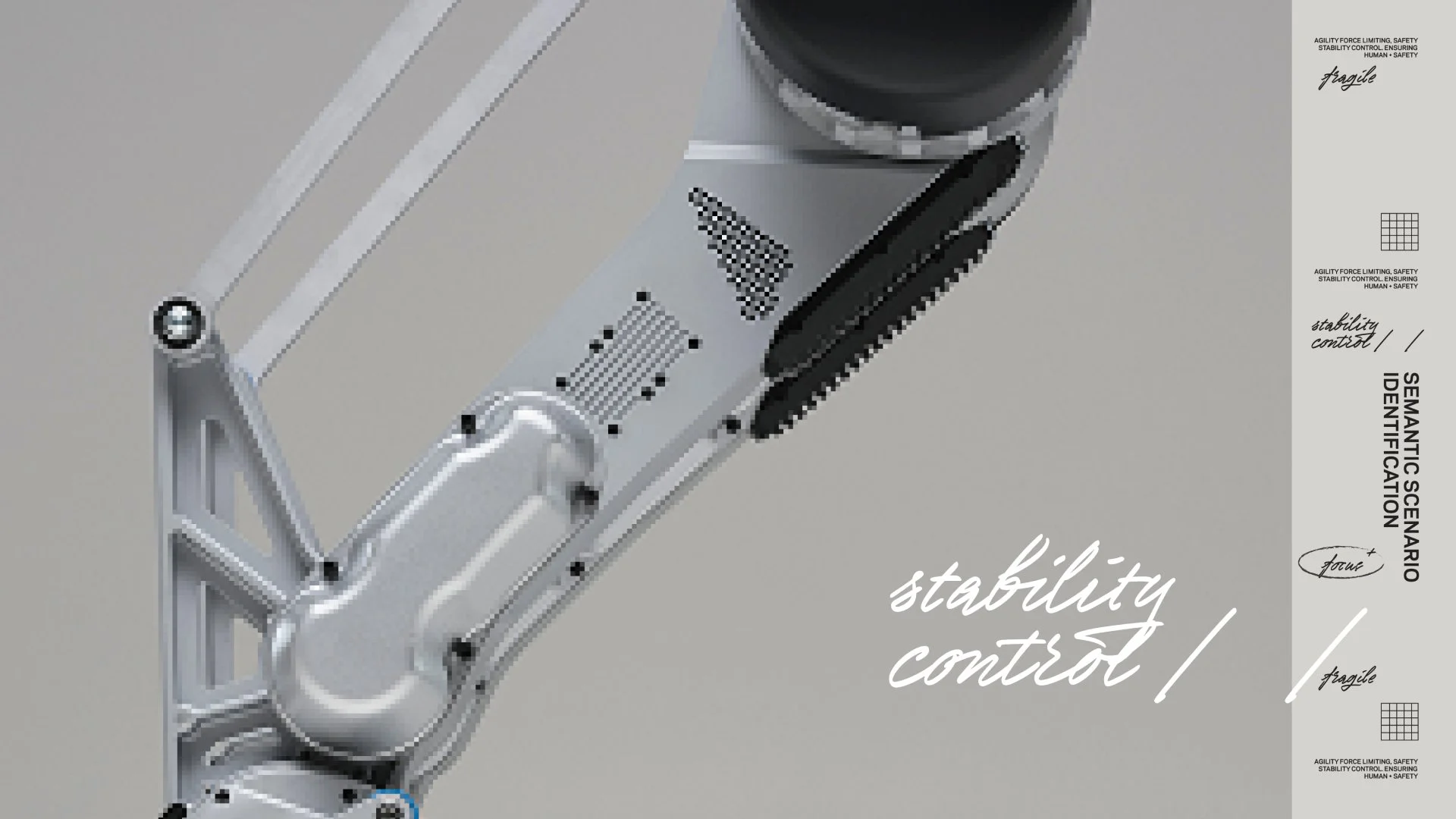
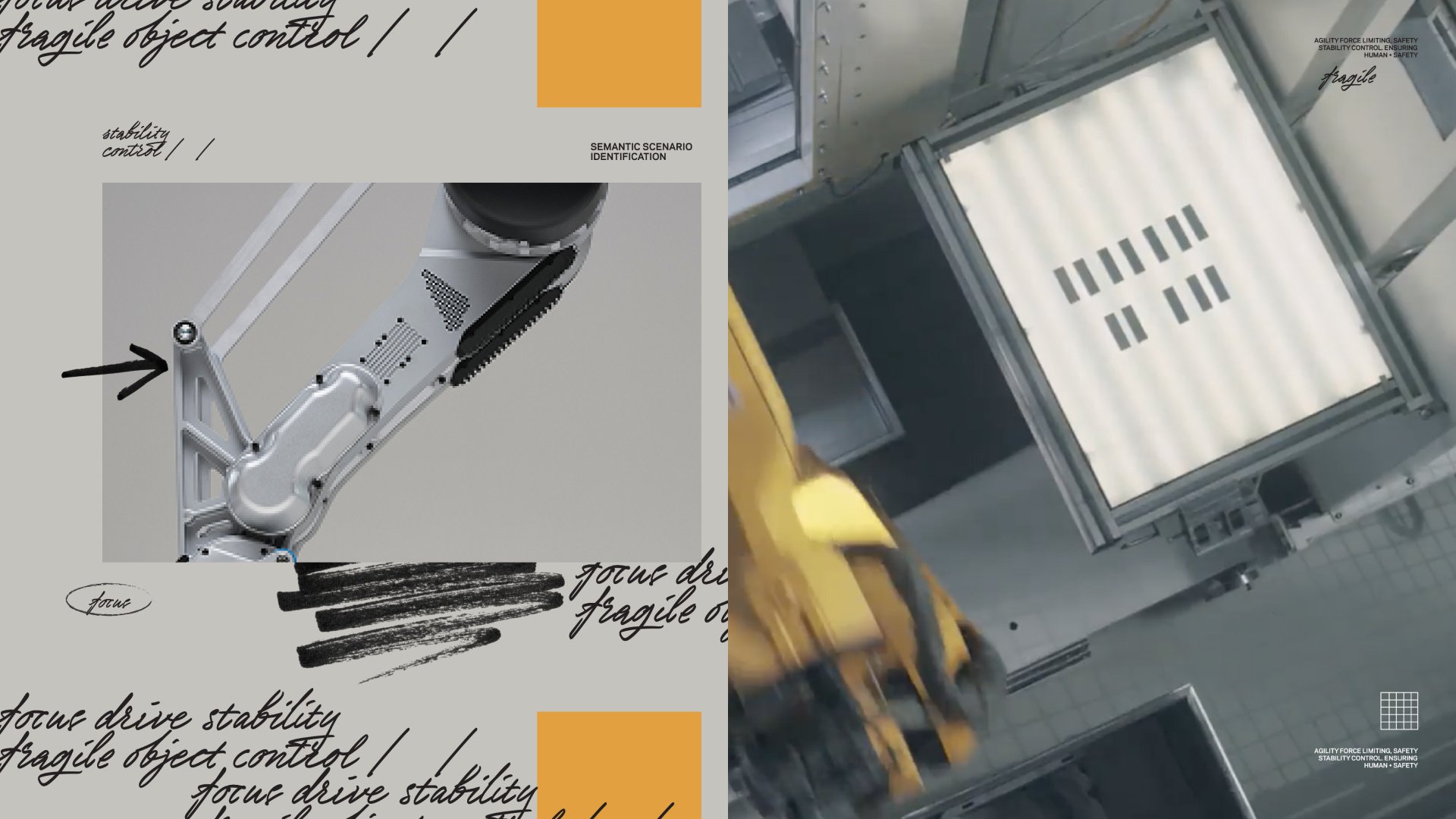
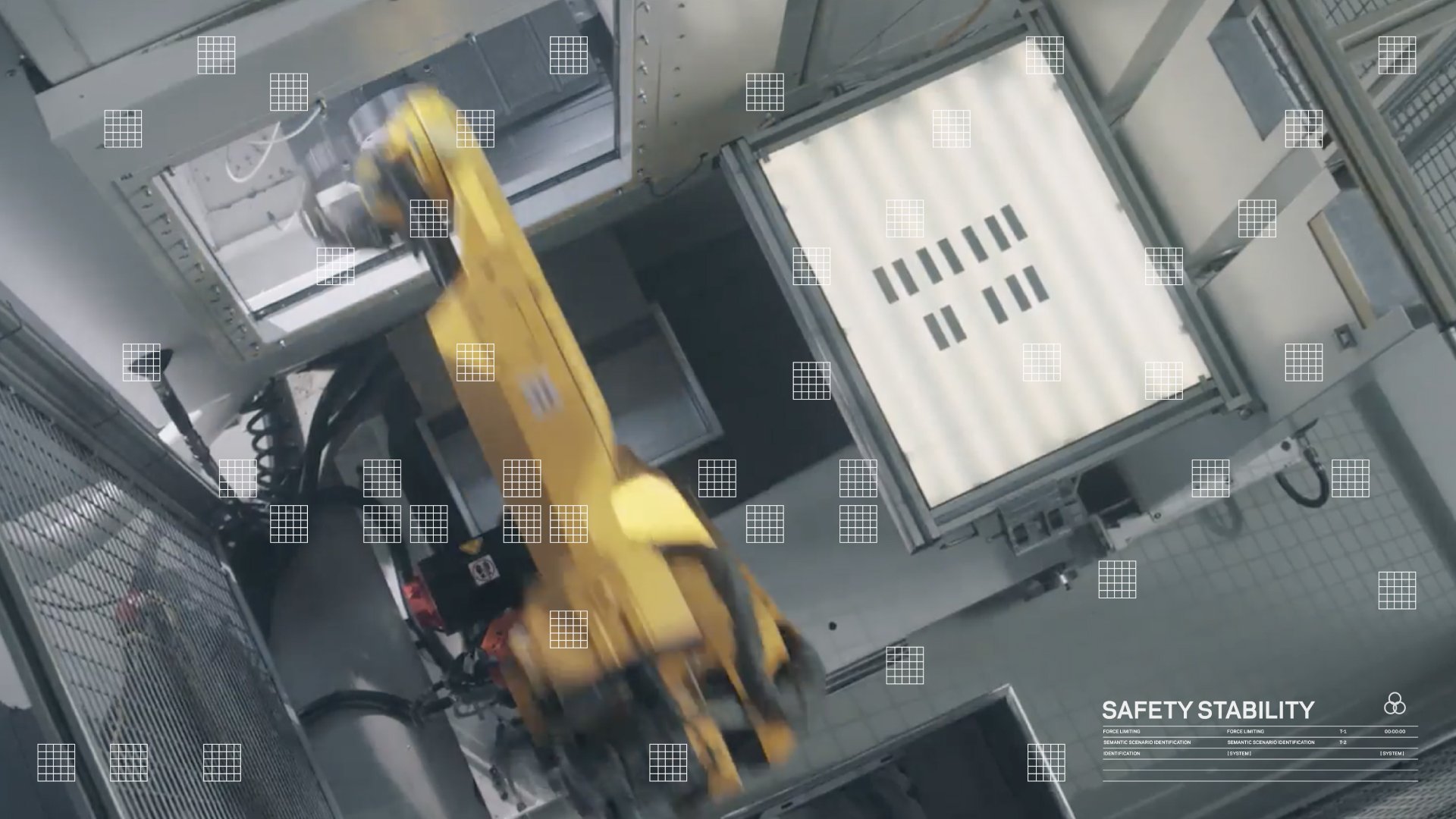
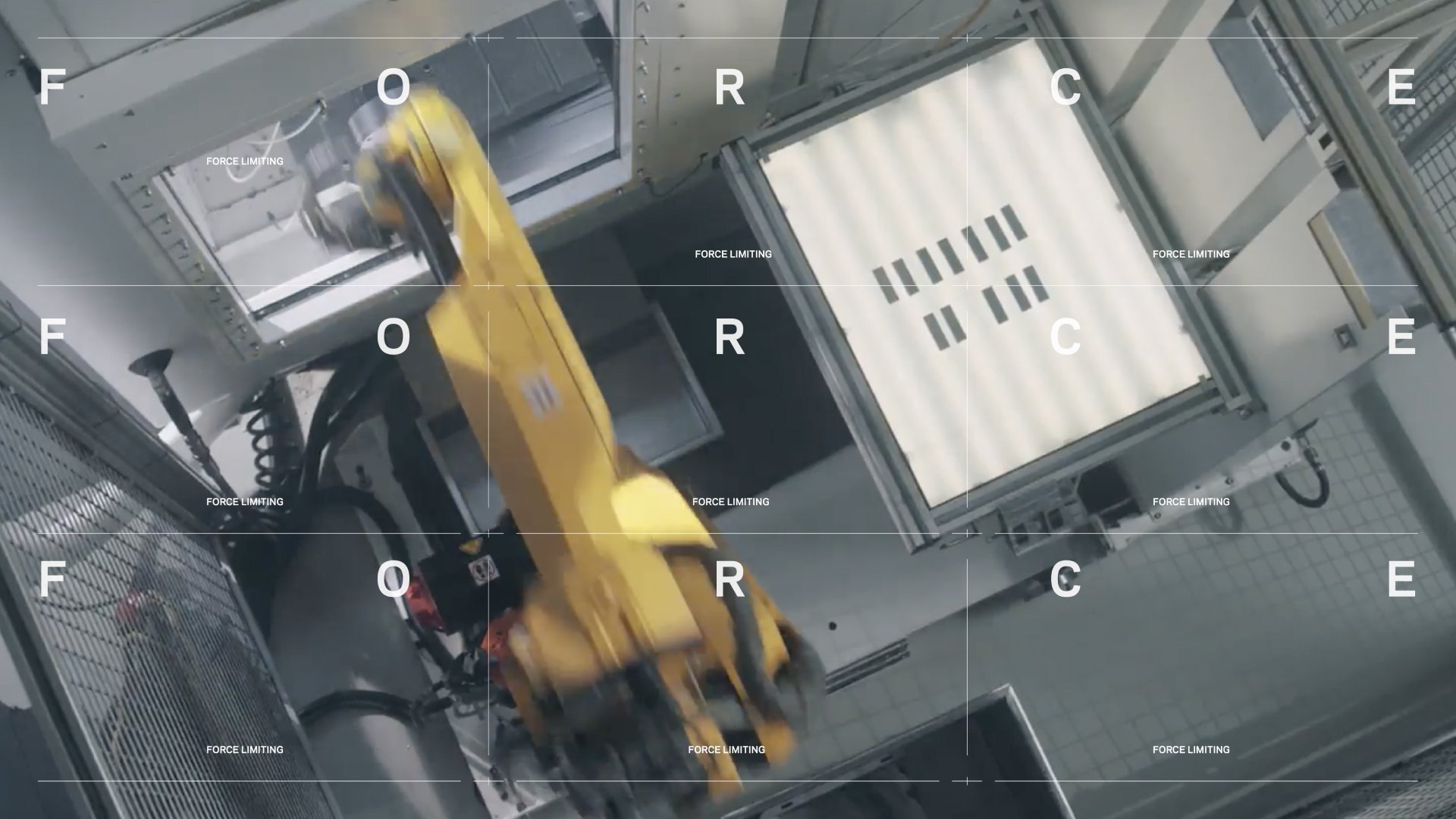
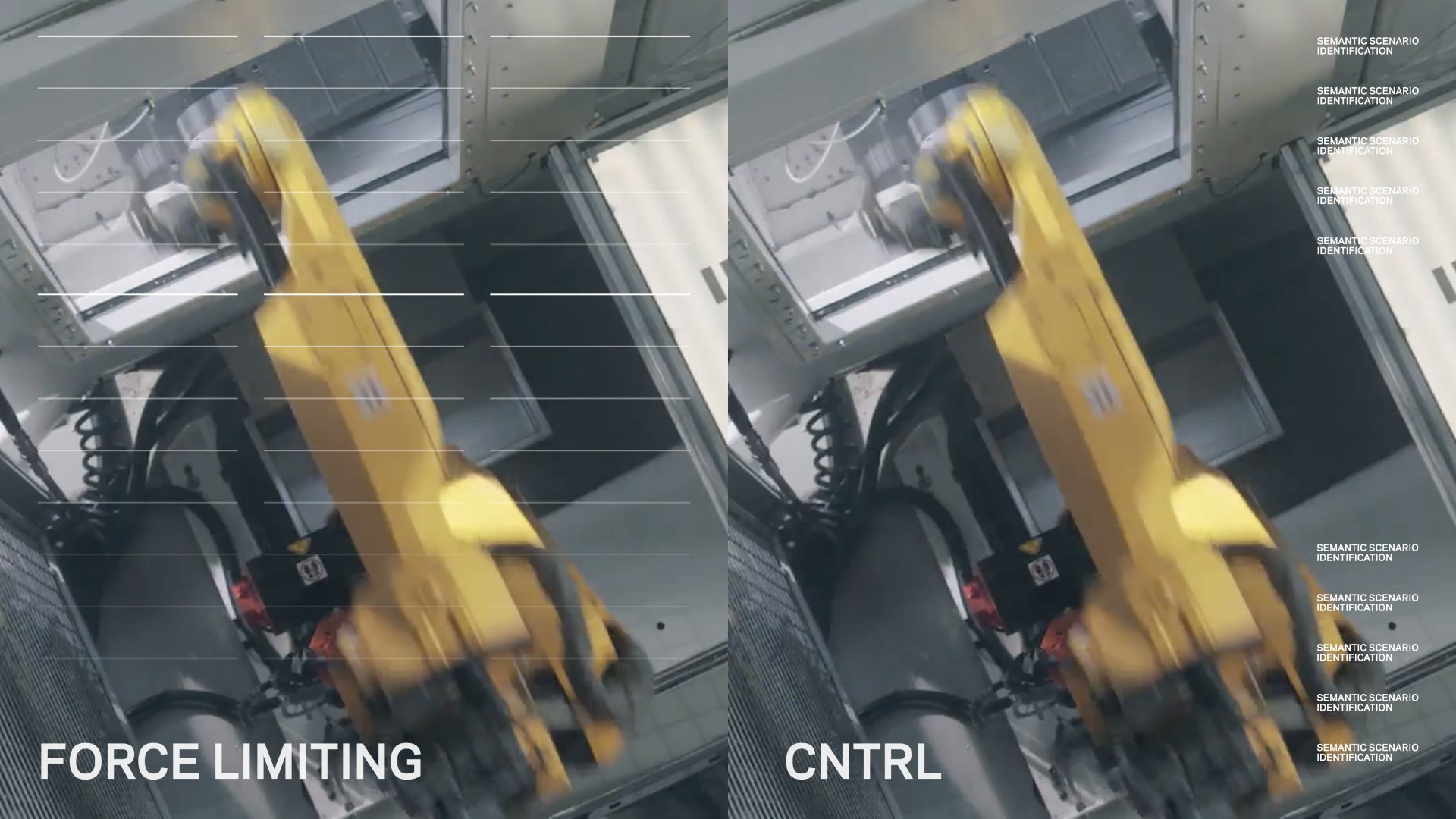
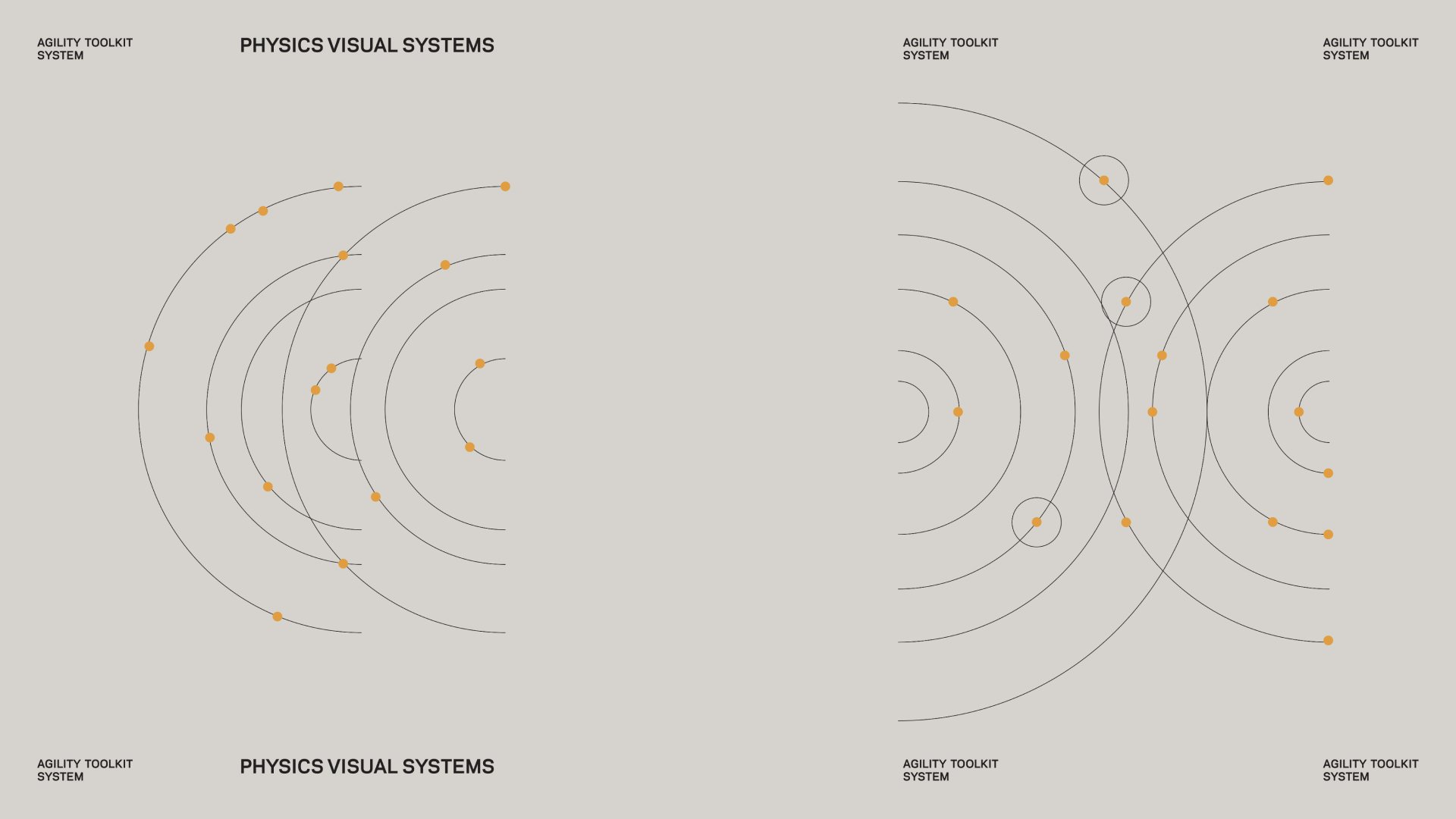
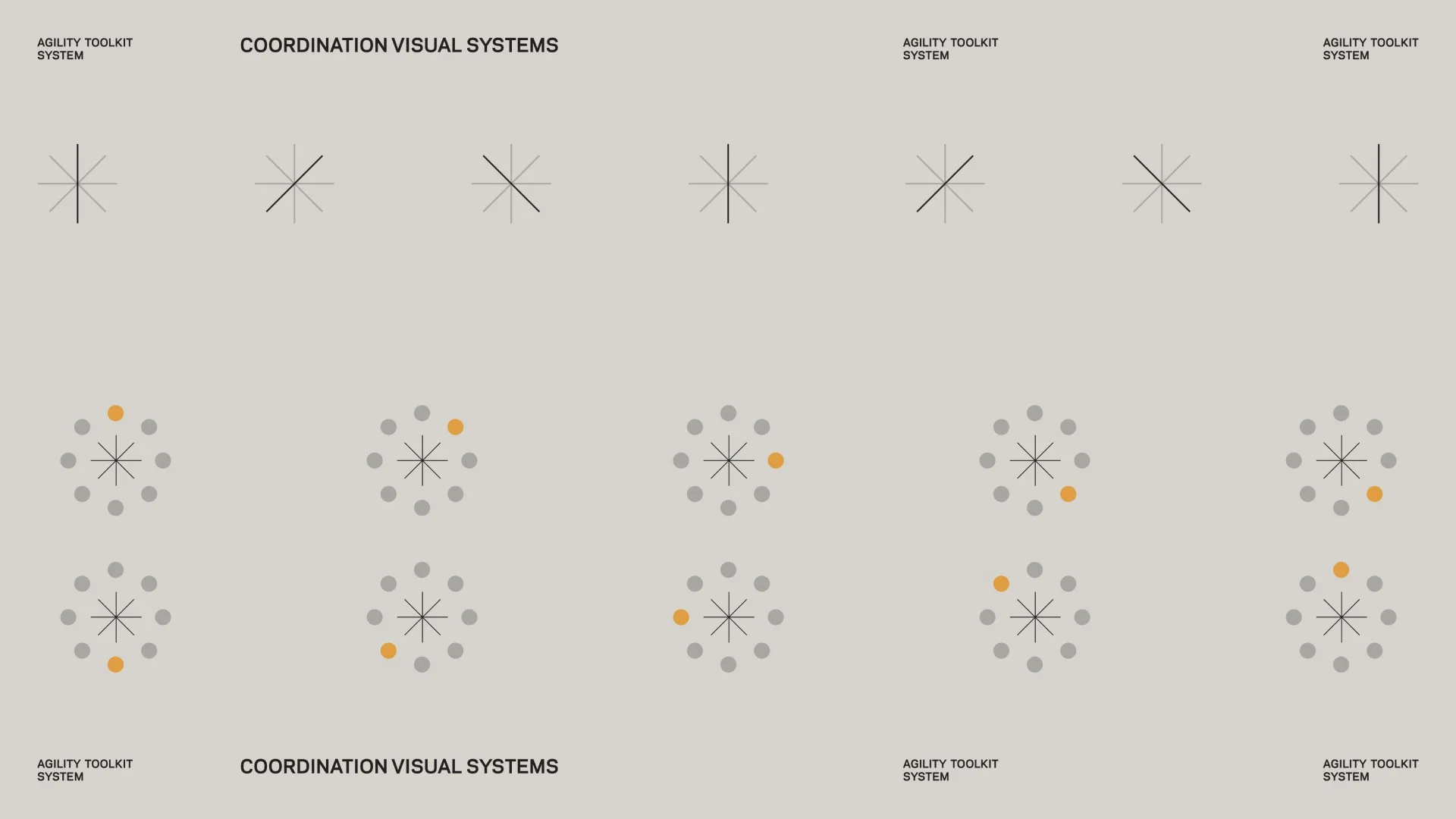
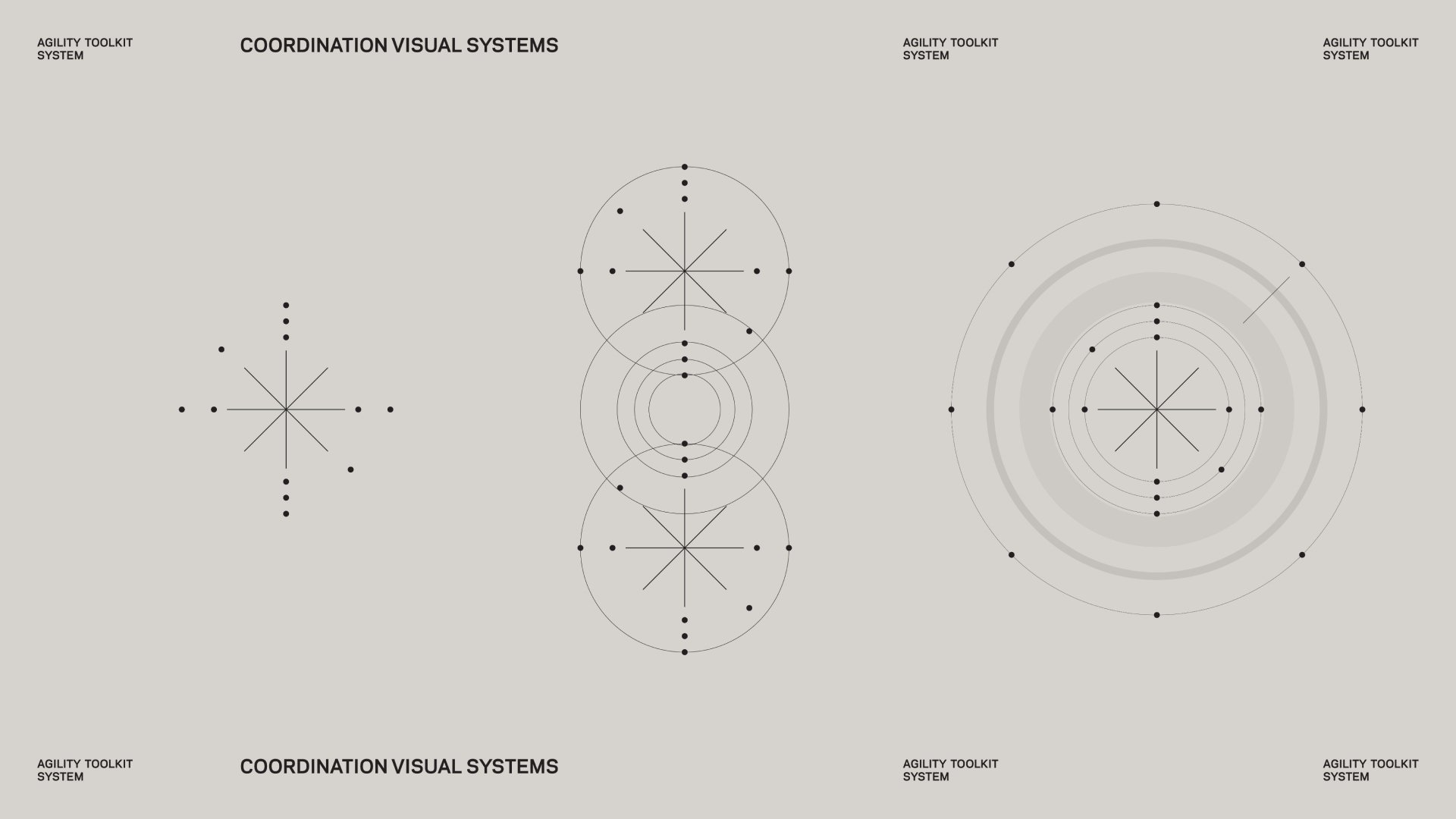
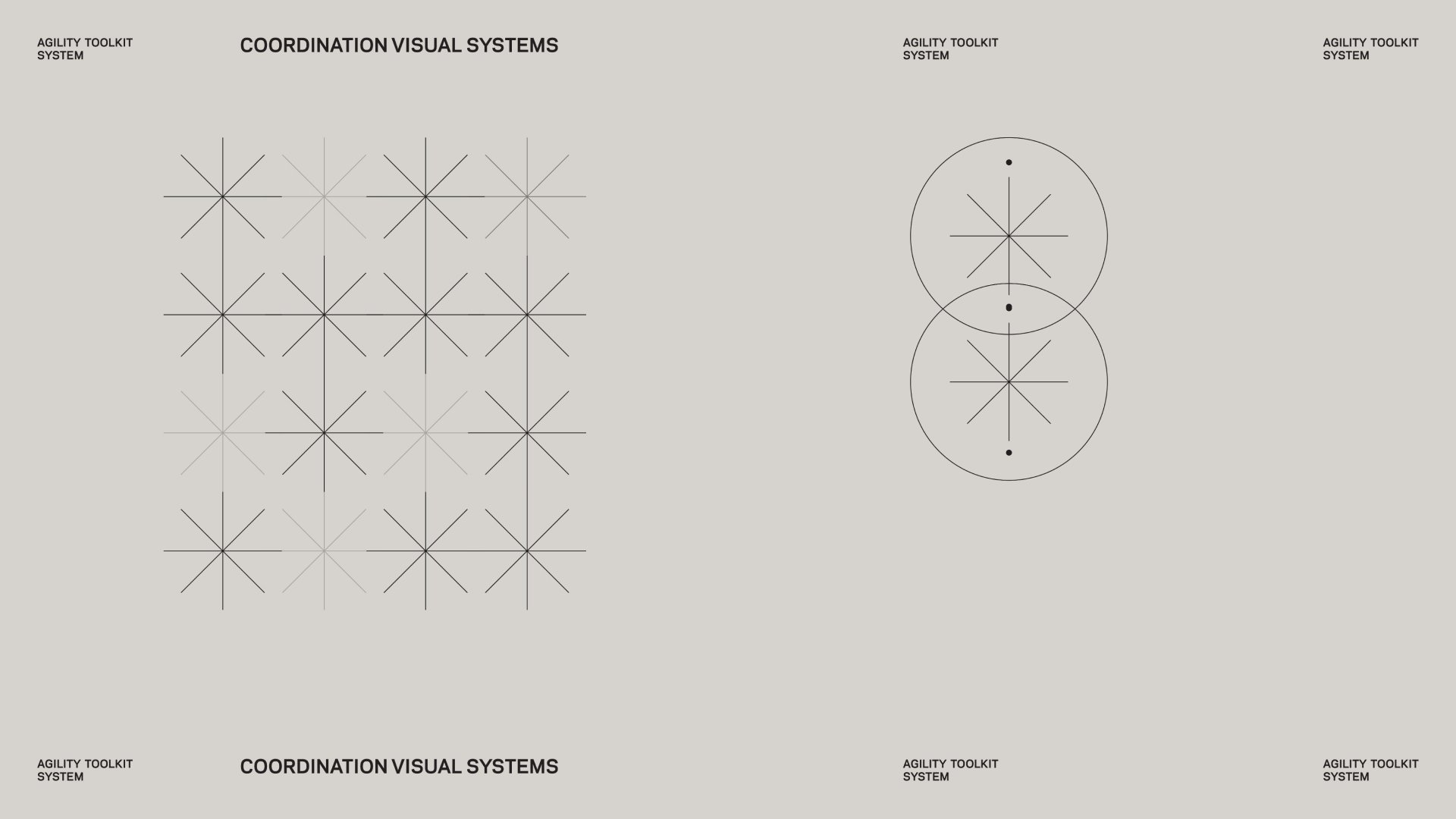
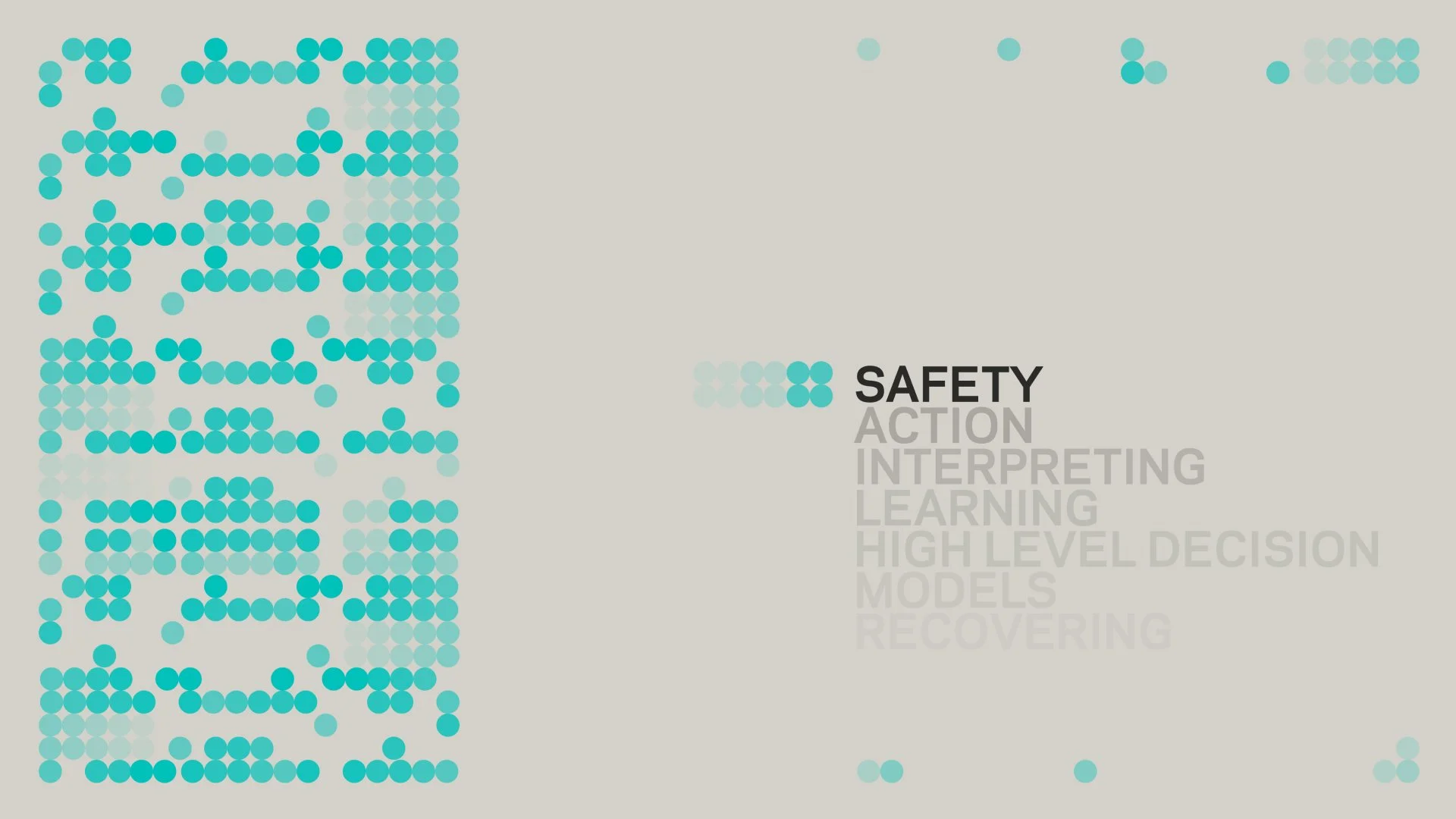
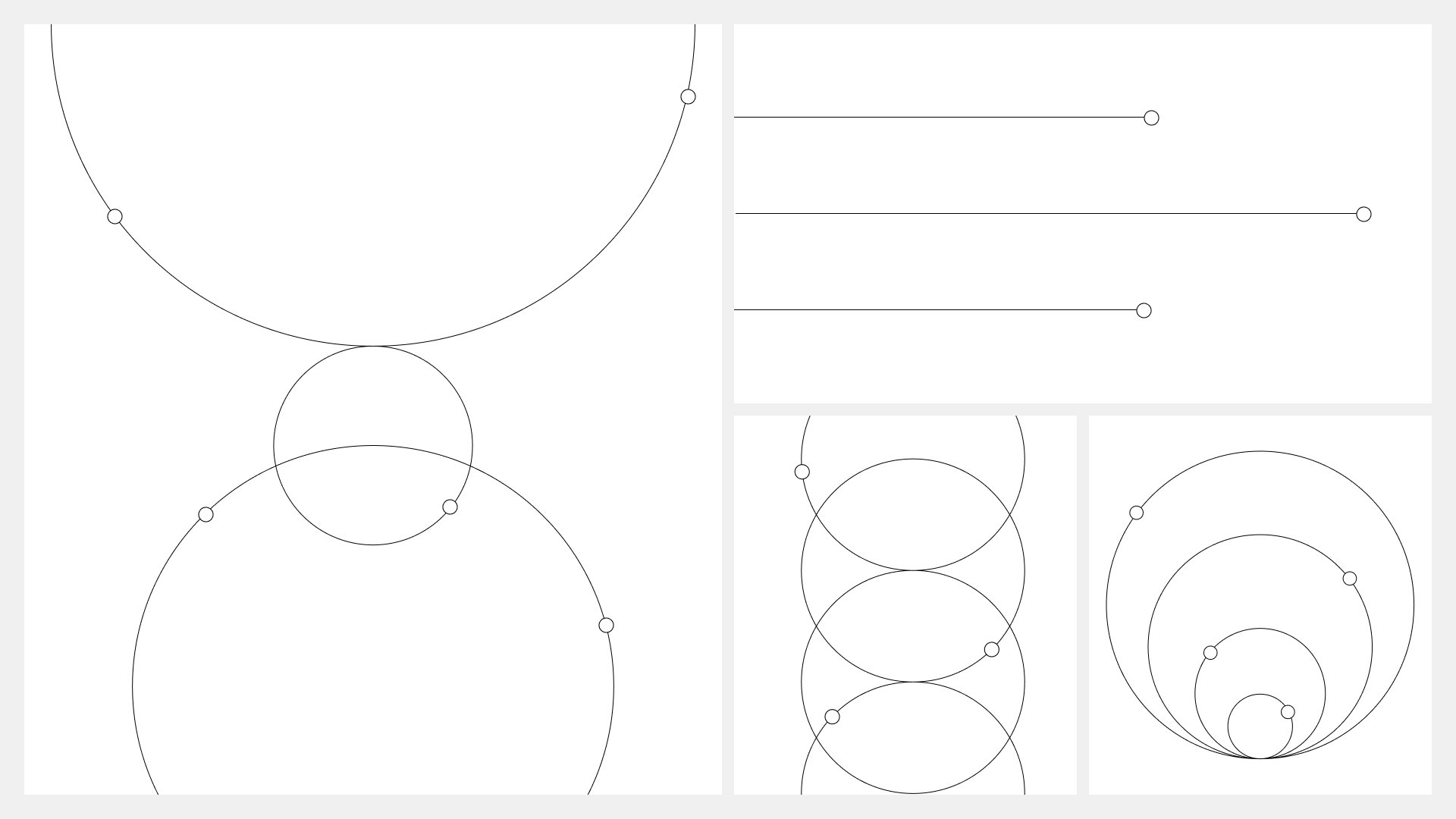
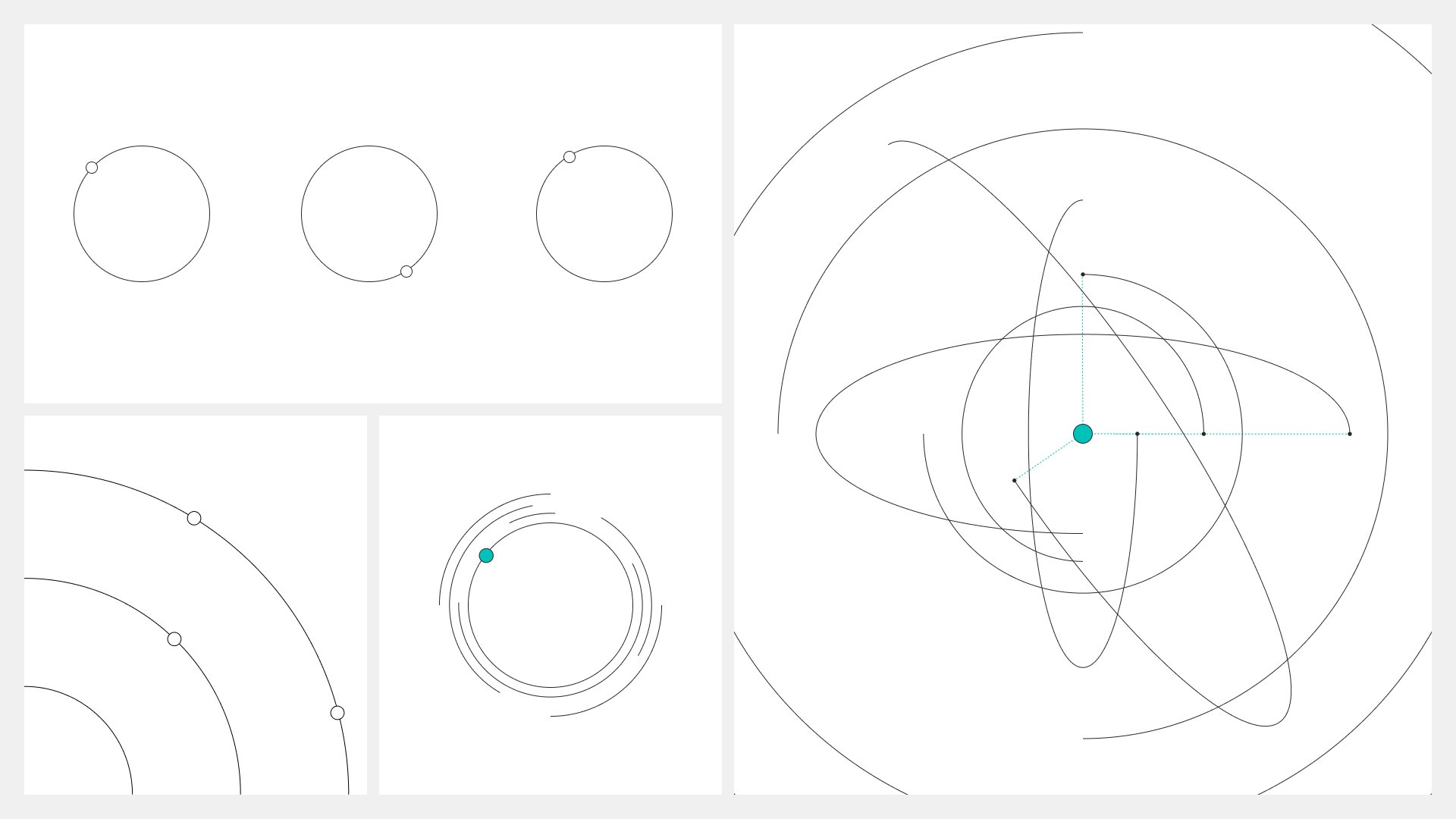
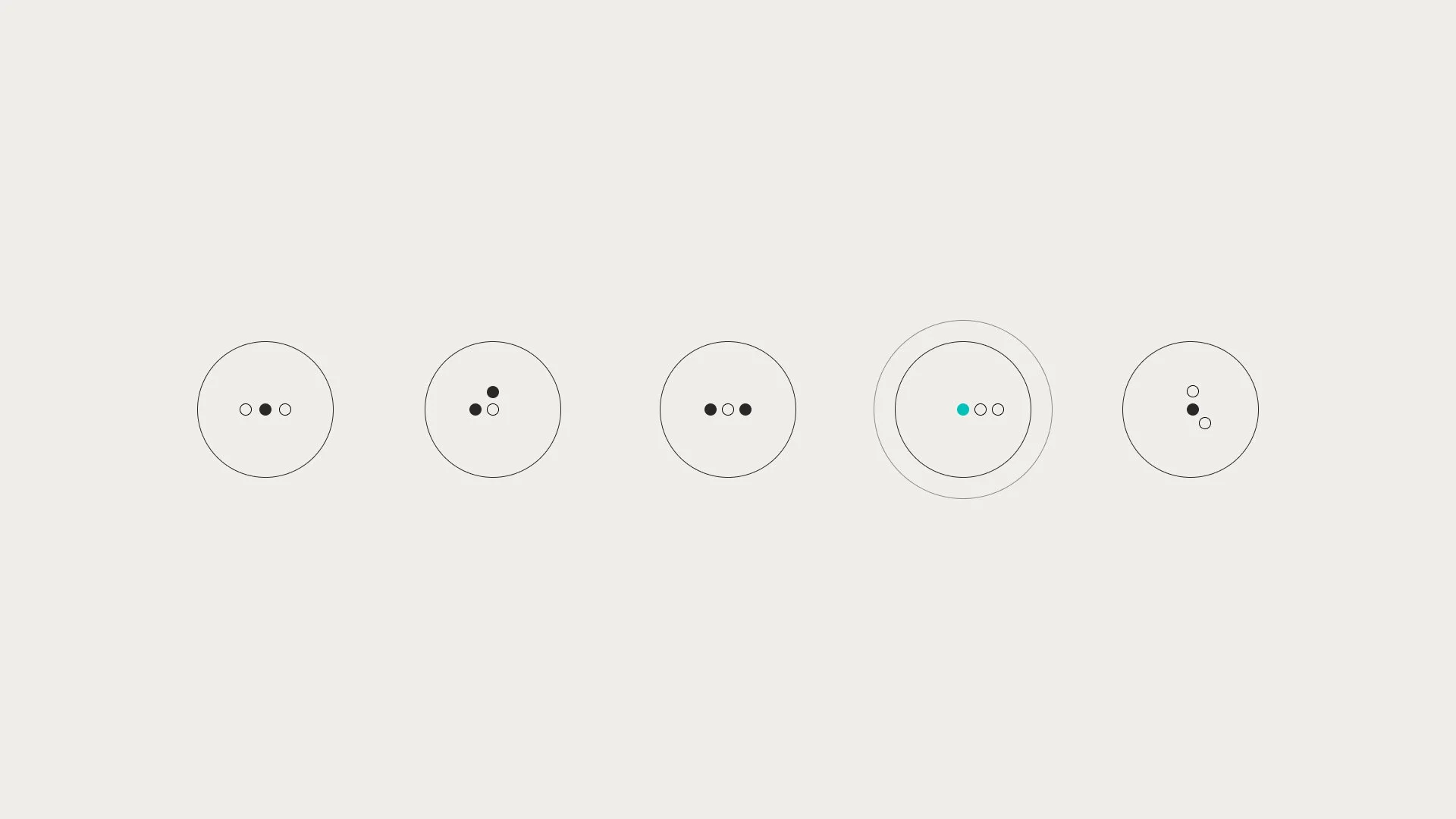
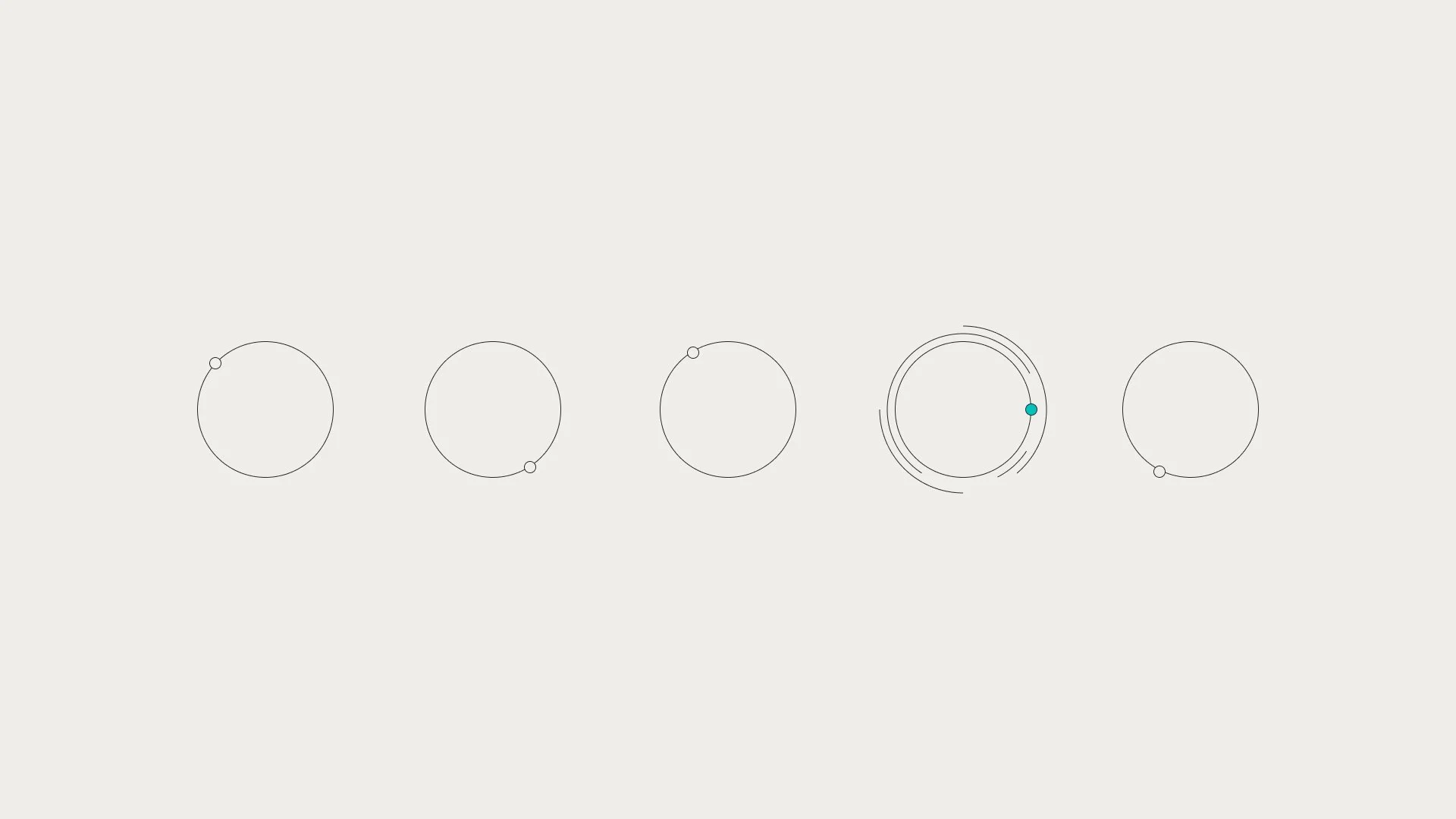
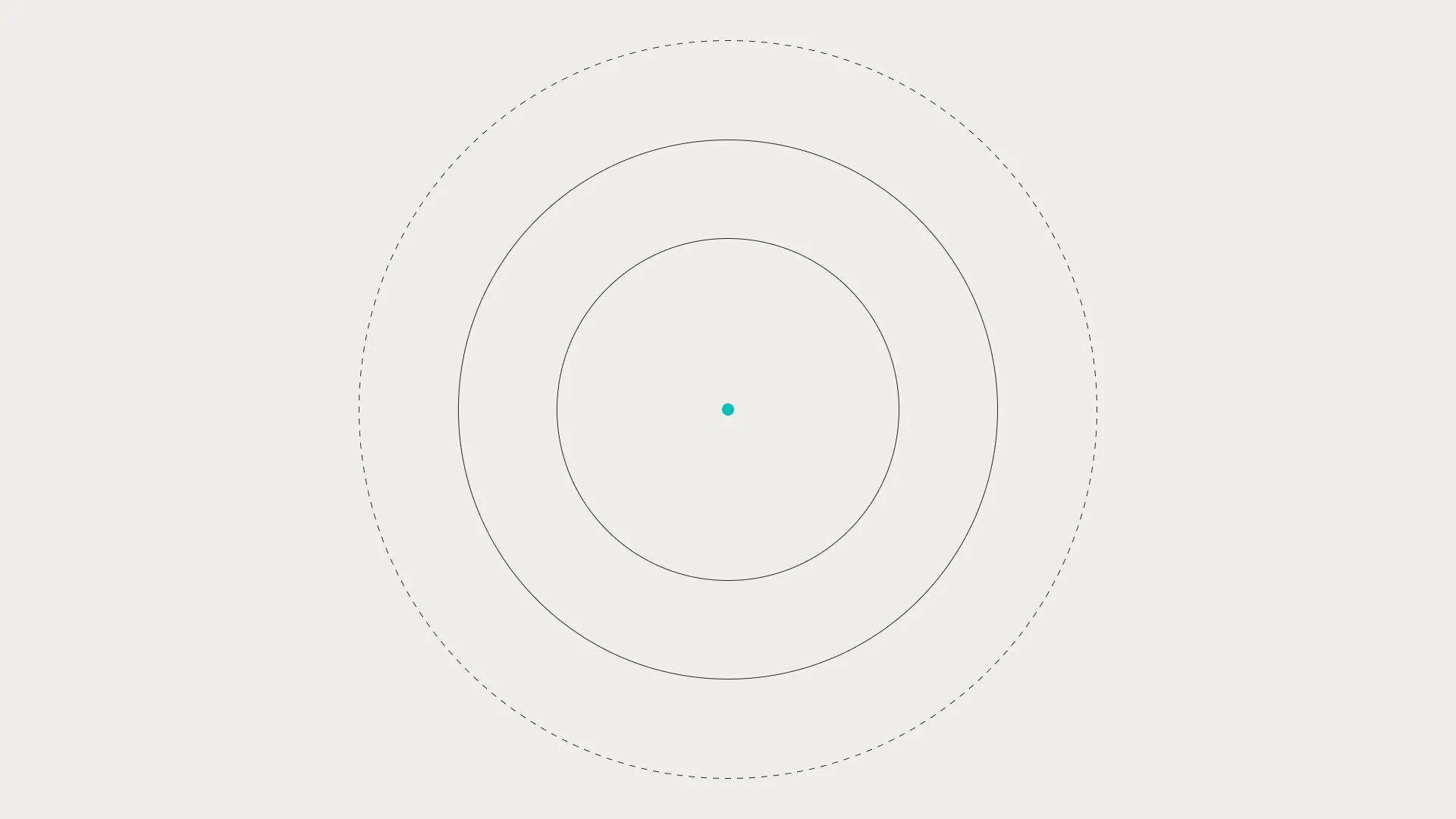
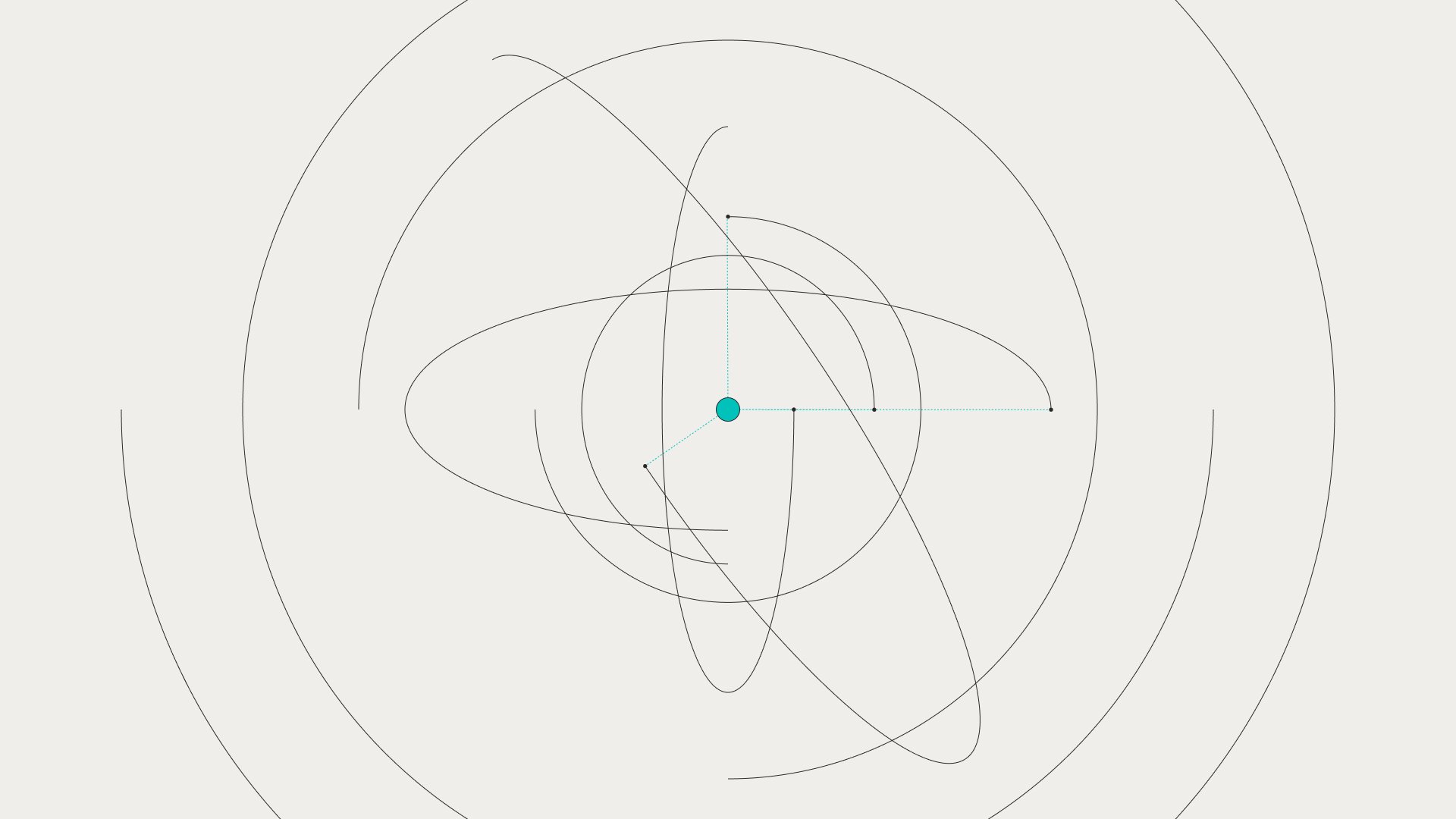
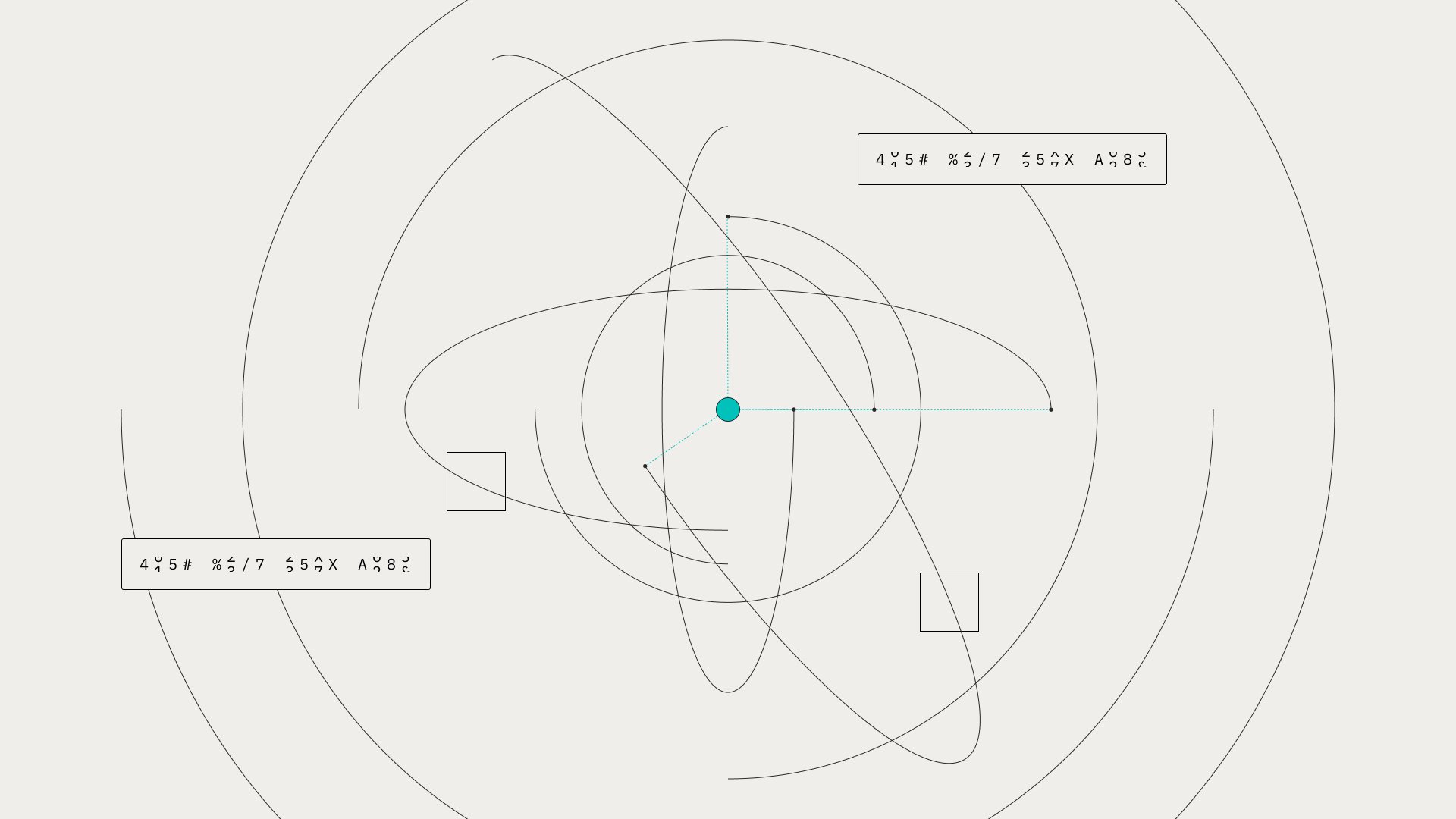
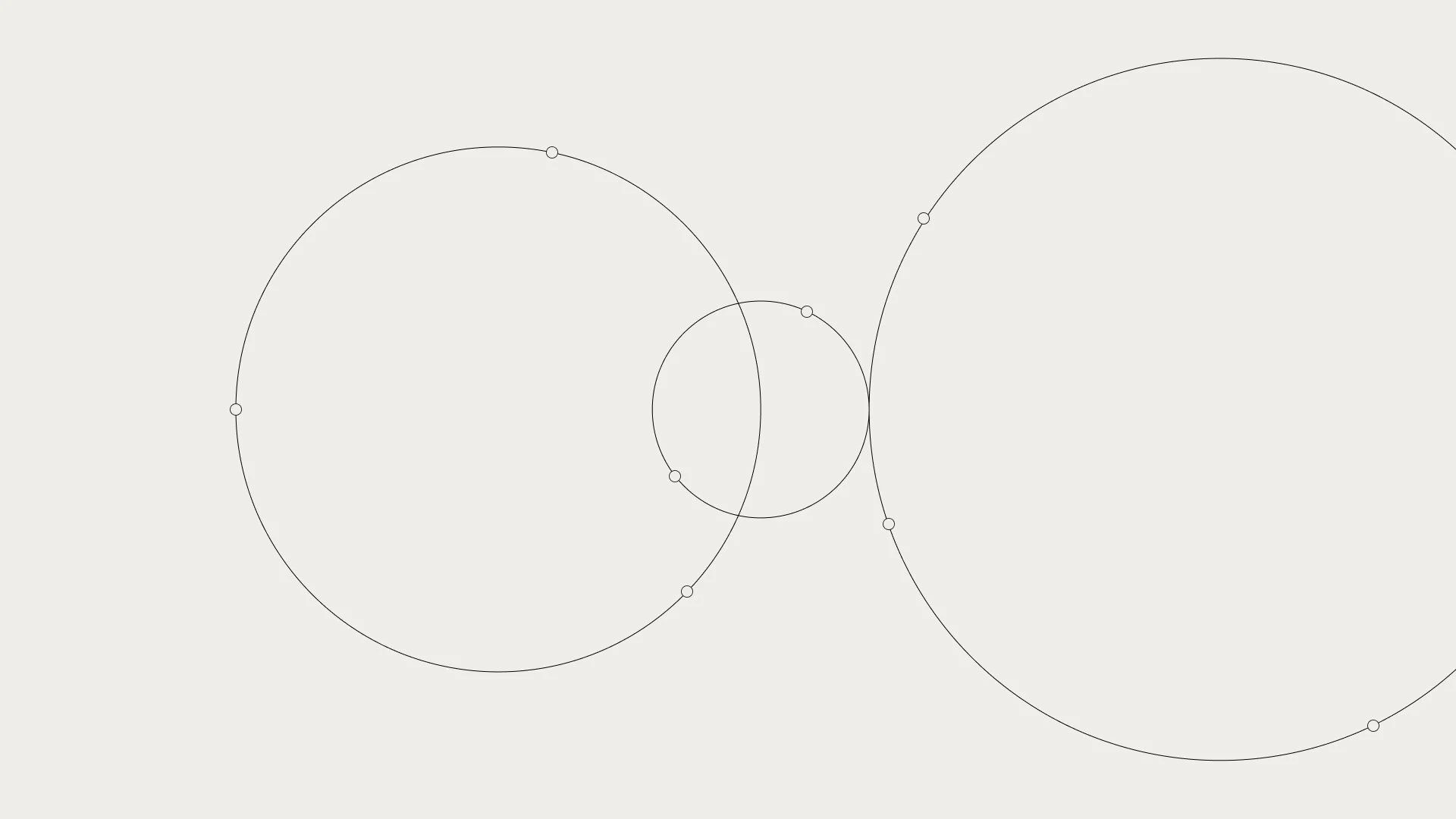
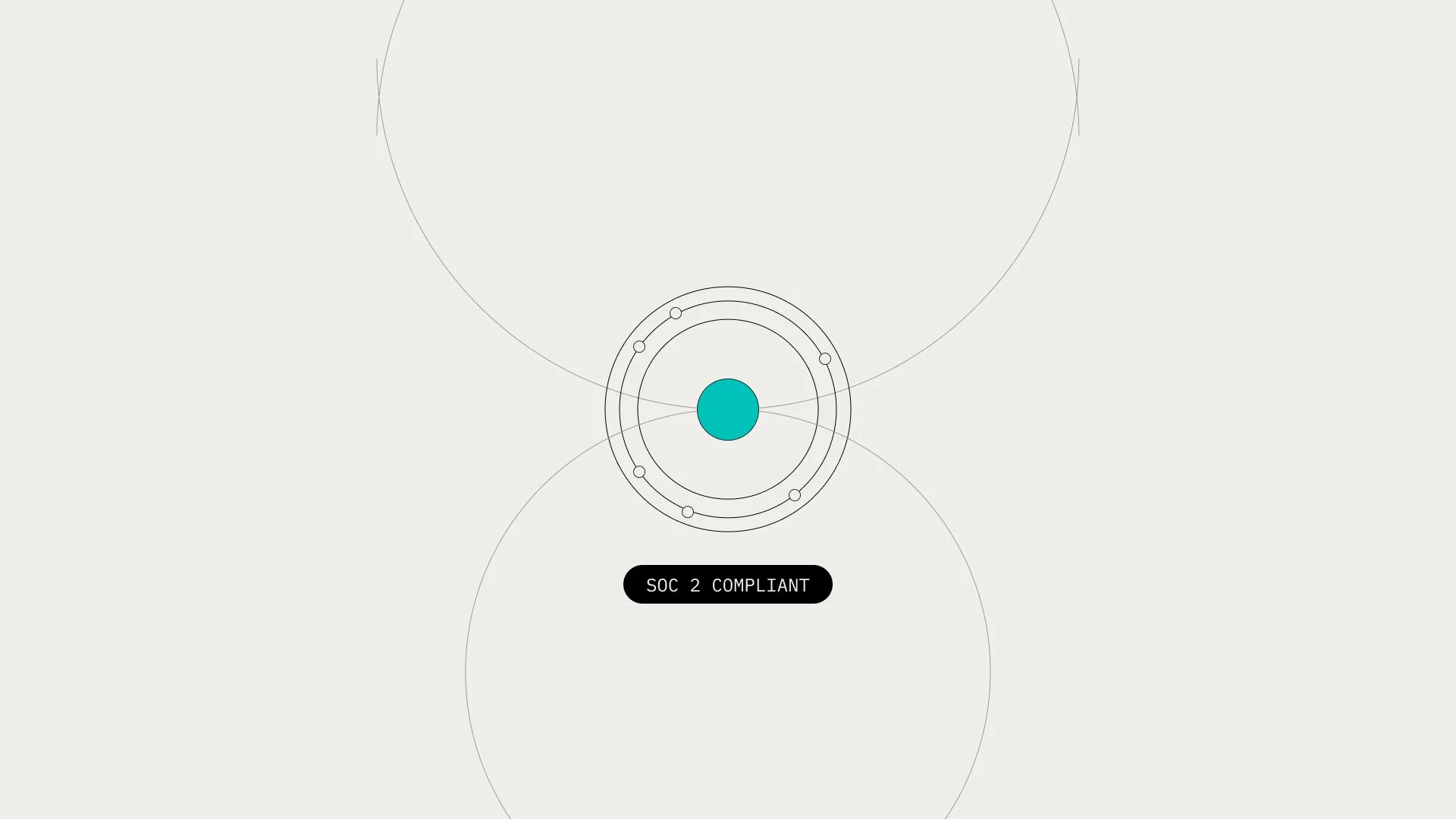
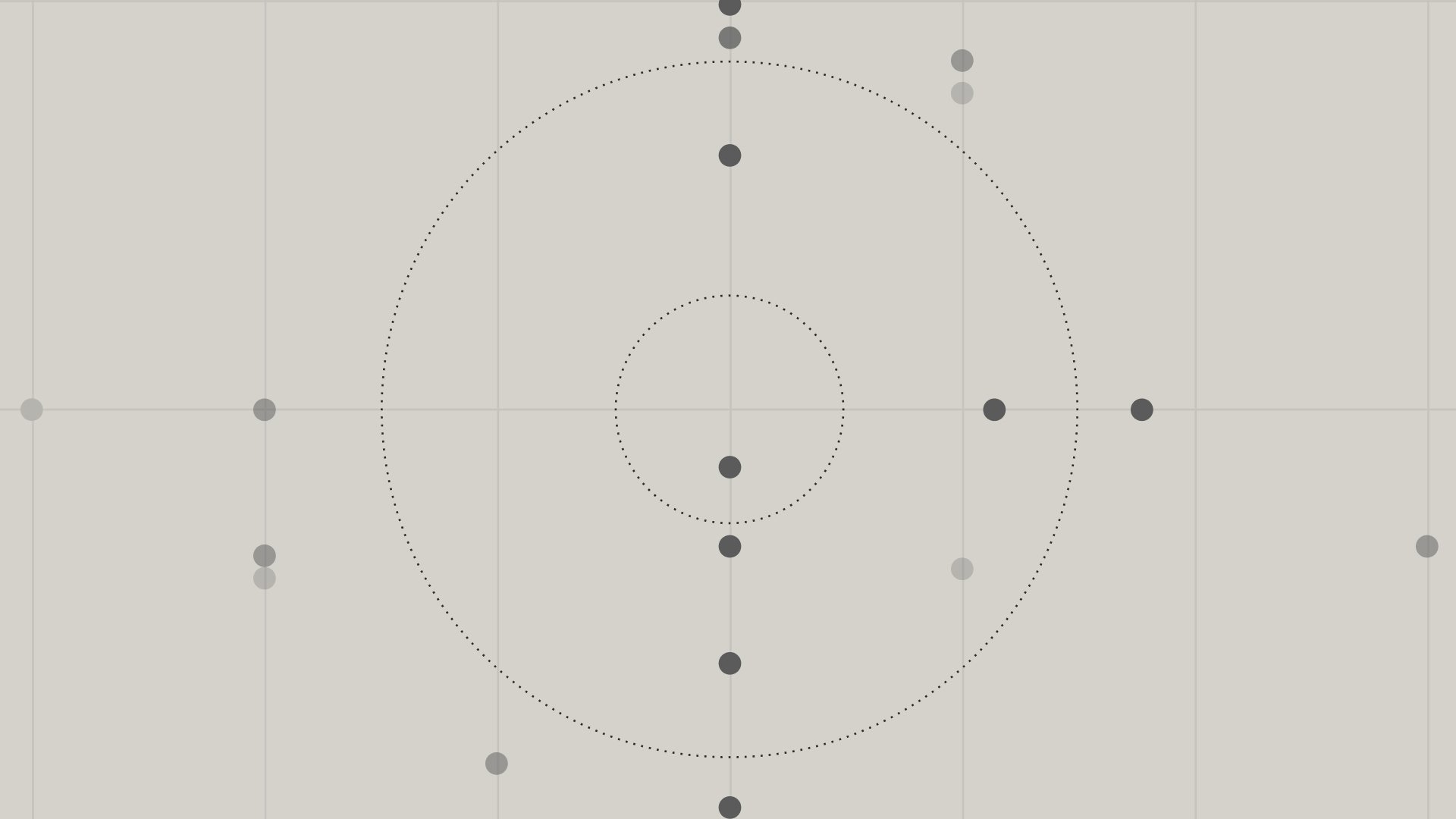
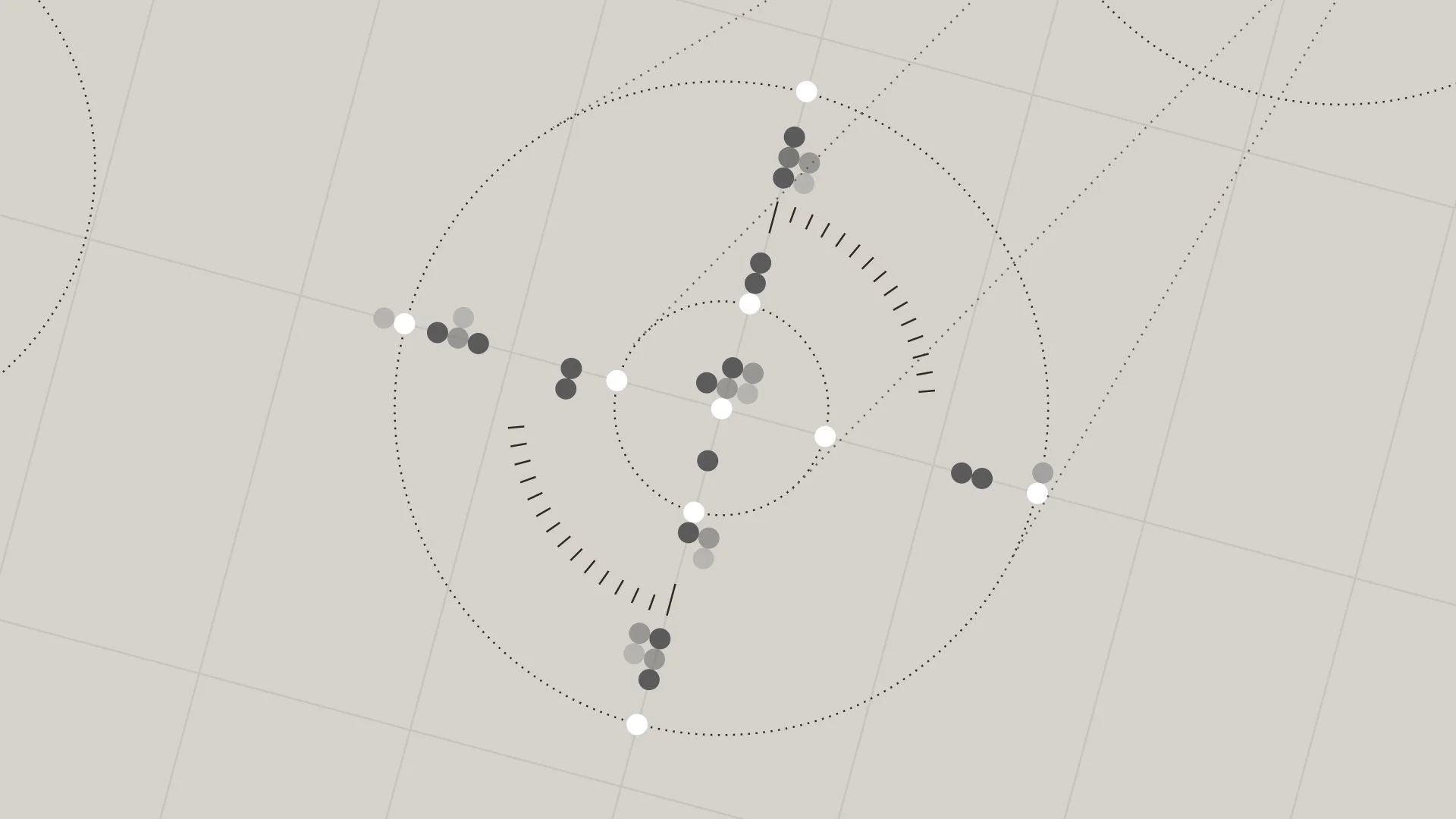
The design treats that shared space as its subject. Built from the same dot grid as the rest of the series, radial dot systems and clean editorial diagrams map safety zones, sensing and the difference between cooperative and collaborative work. Standards orbit the interview as labels rather than slides. The language is calmer and more exact than its sister films, and it stays legible even when the subject is technical.
The live action was shot to keep the people front and center. The direction for the footage was “undeniably human”: workers, engineers and Digit sharing the frame, contrasted with the robot’s view of the same space. The editorial cuts quickly between human moments and the robot’s interpretation of them, so the case for safety is made by watching how the two move around each other.
DESIGN
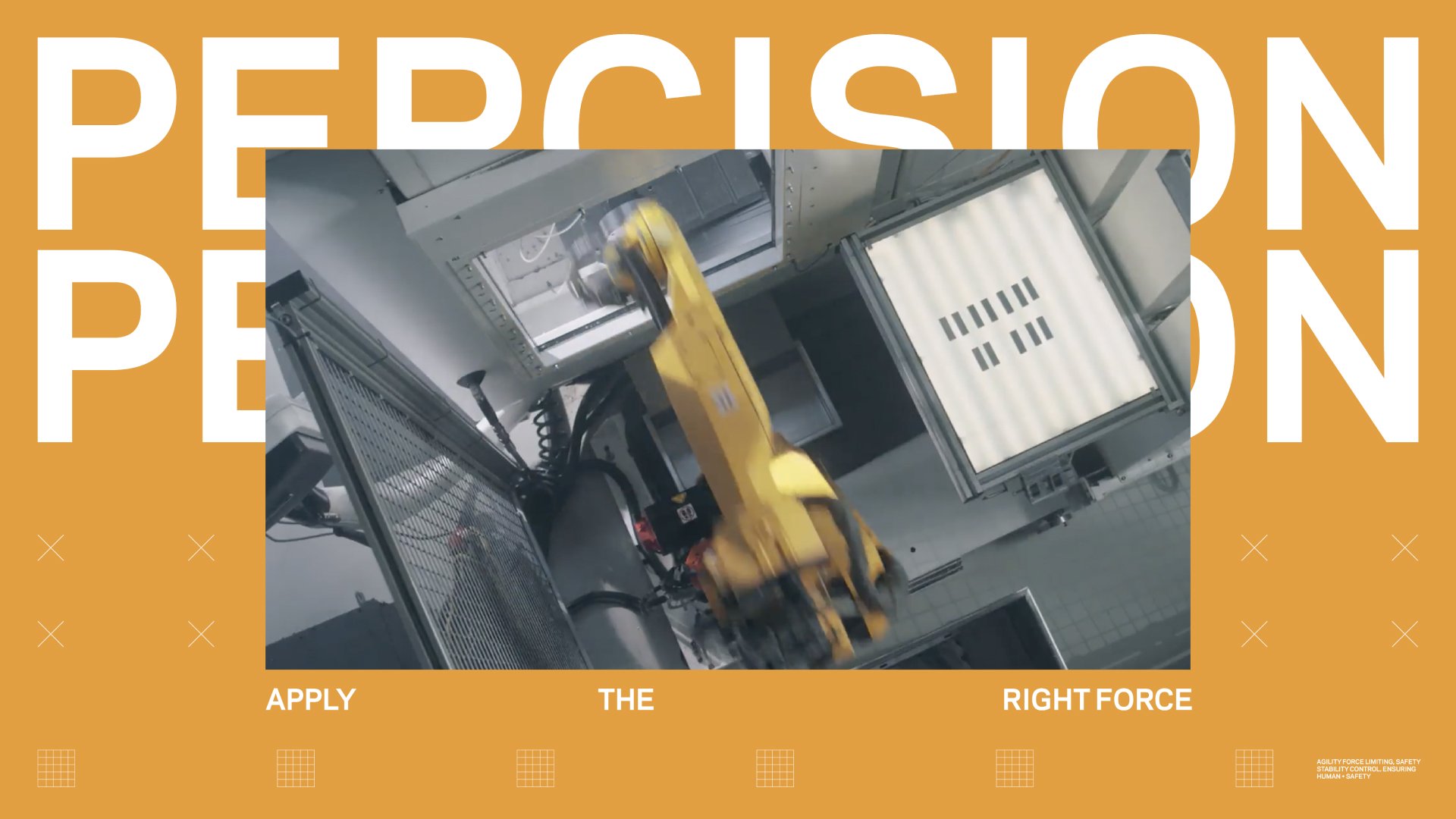
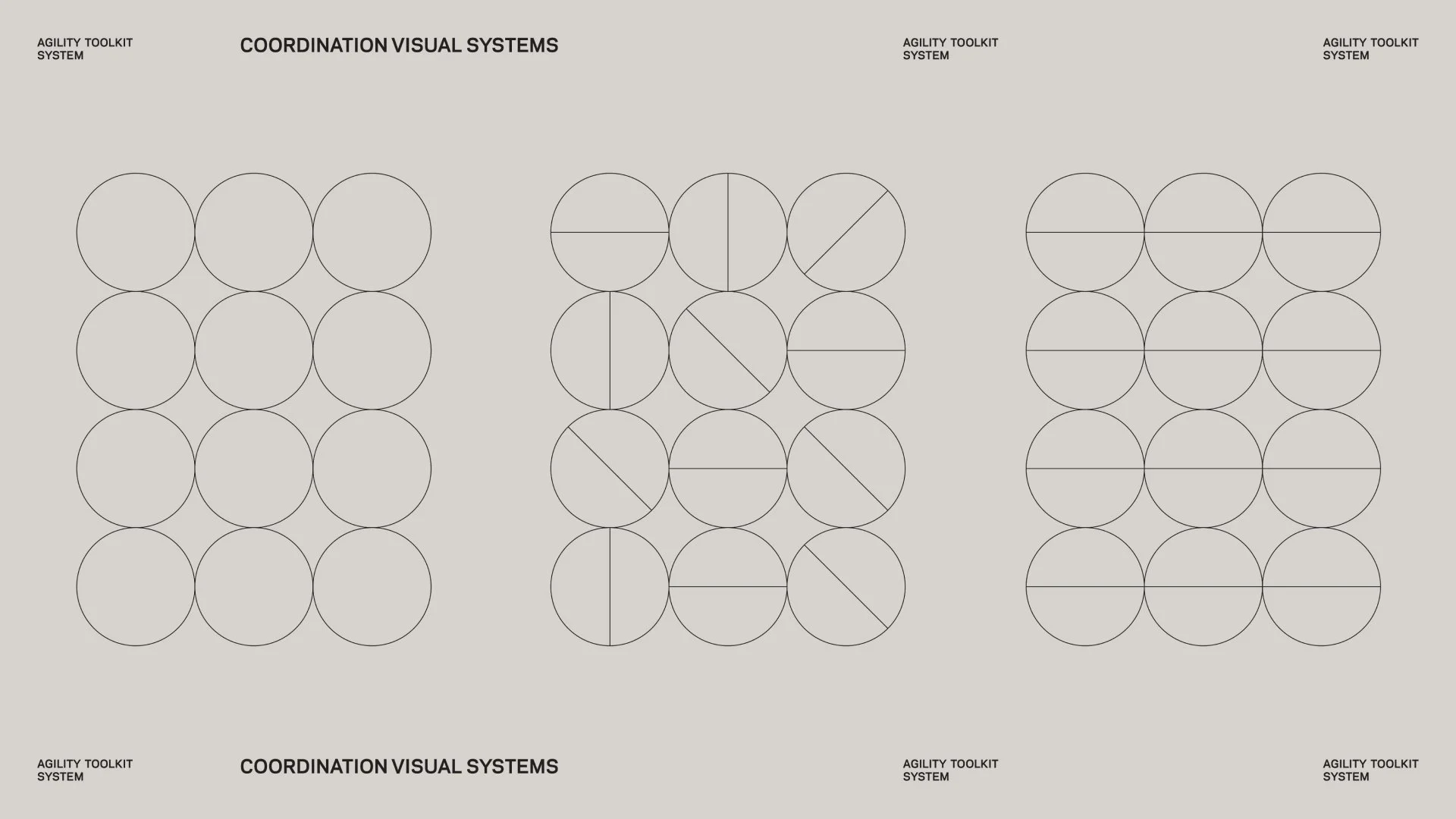
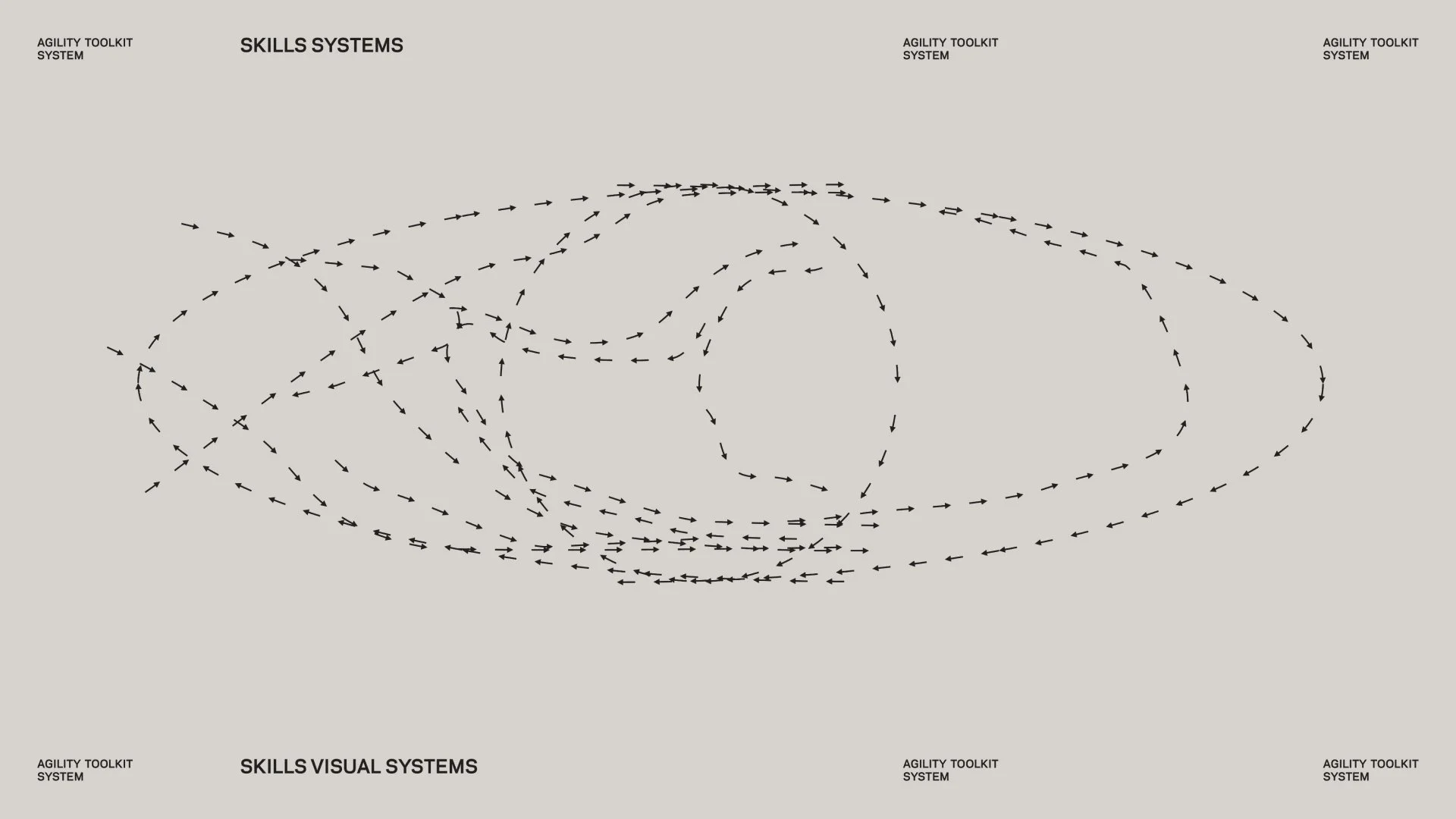
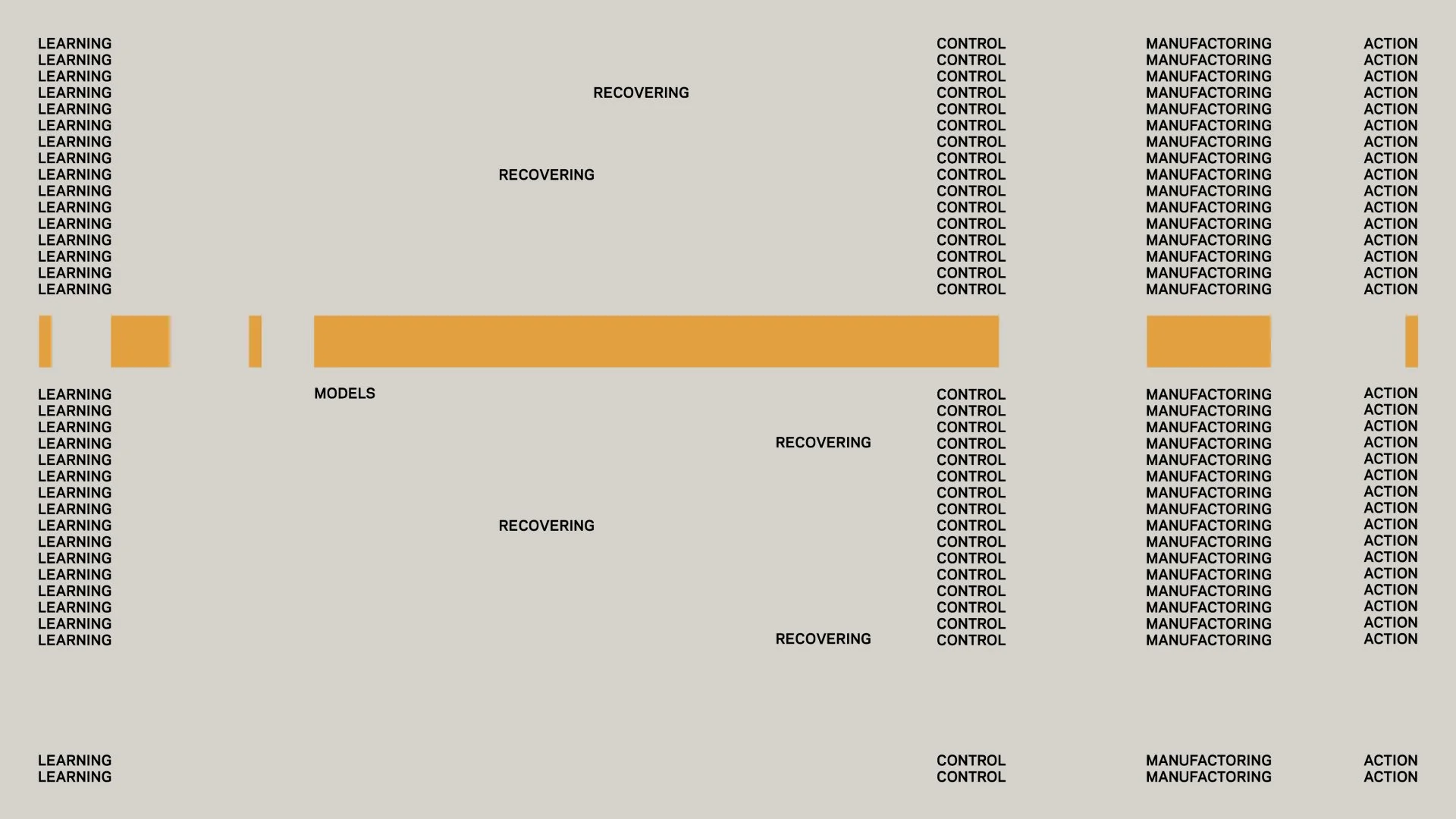
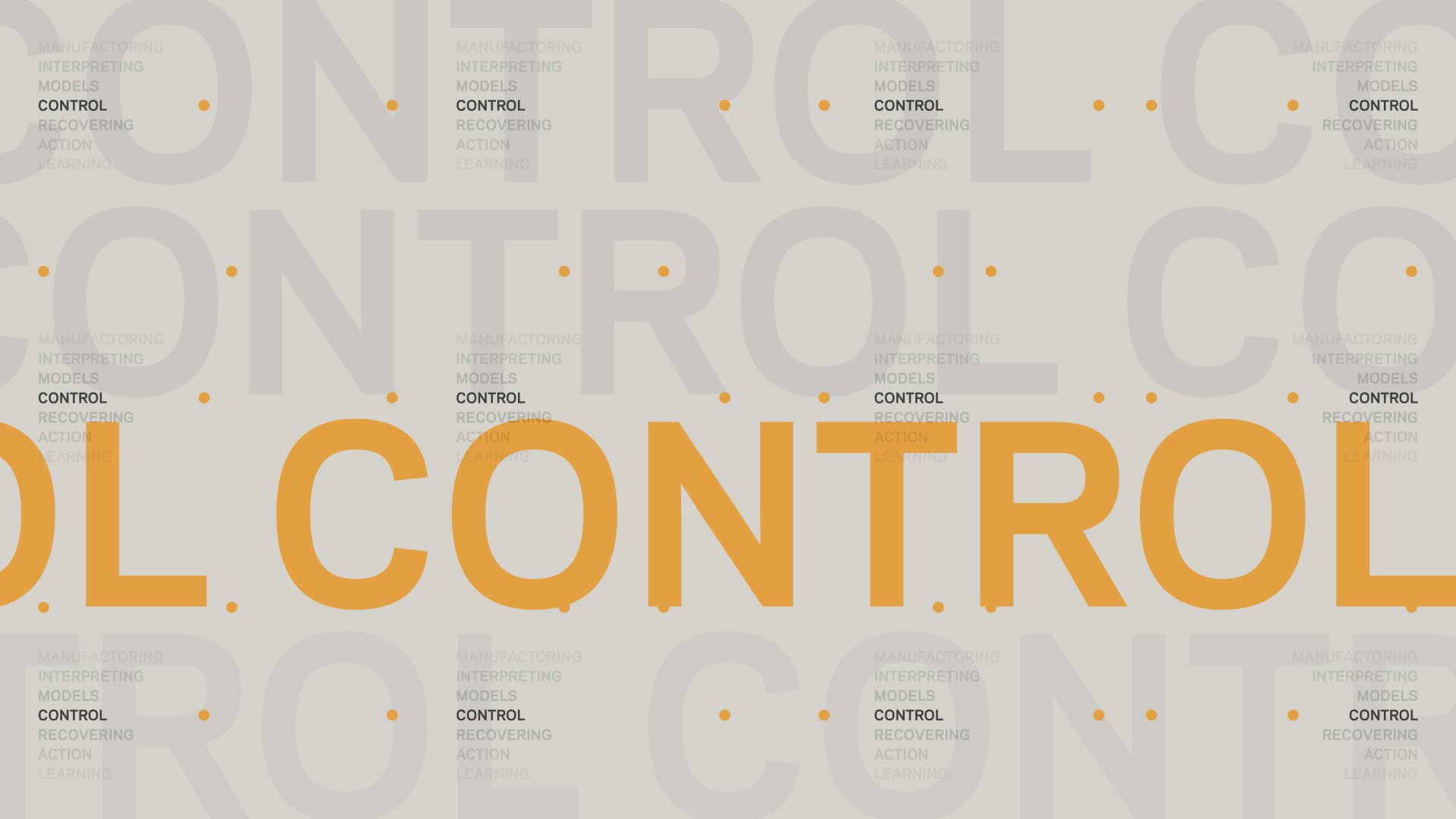
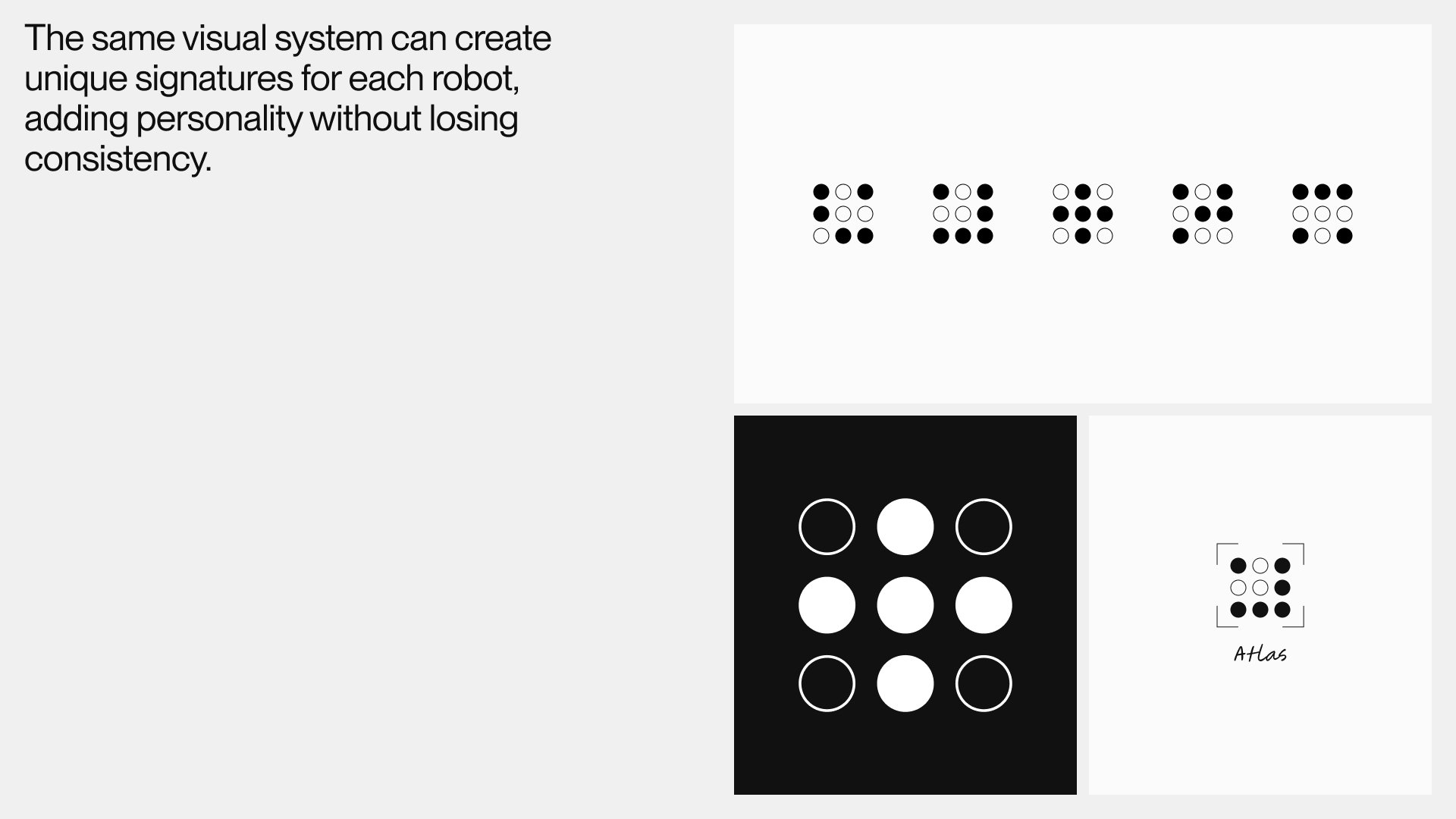
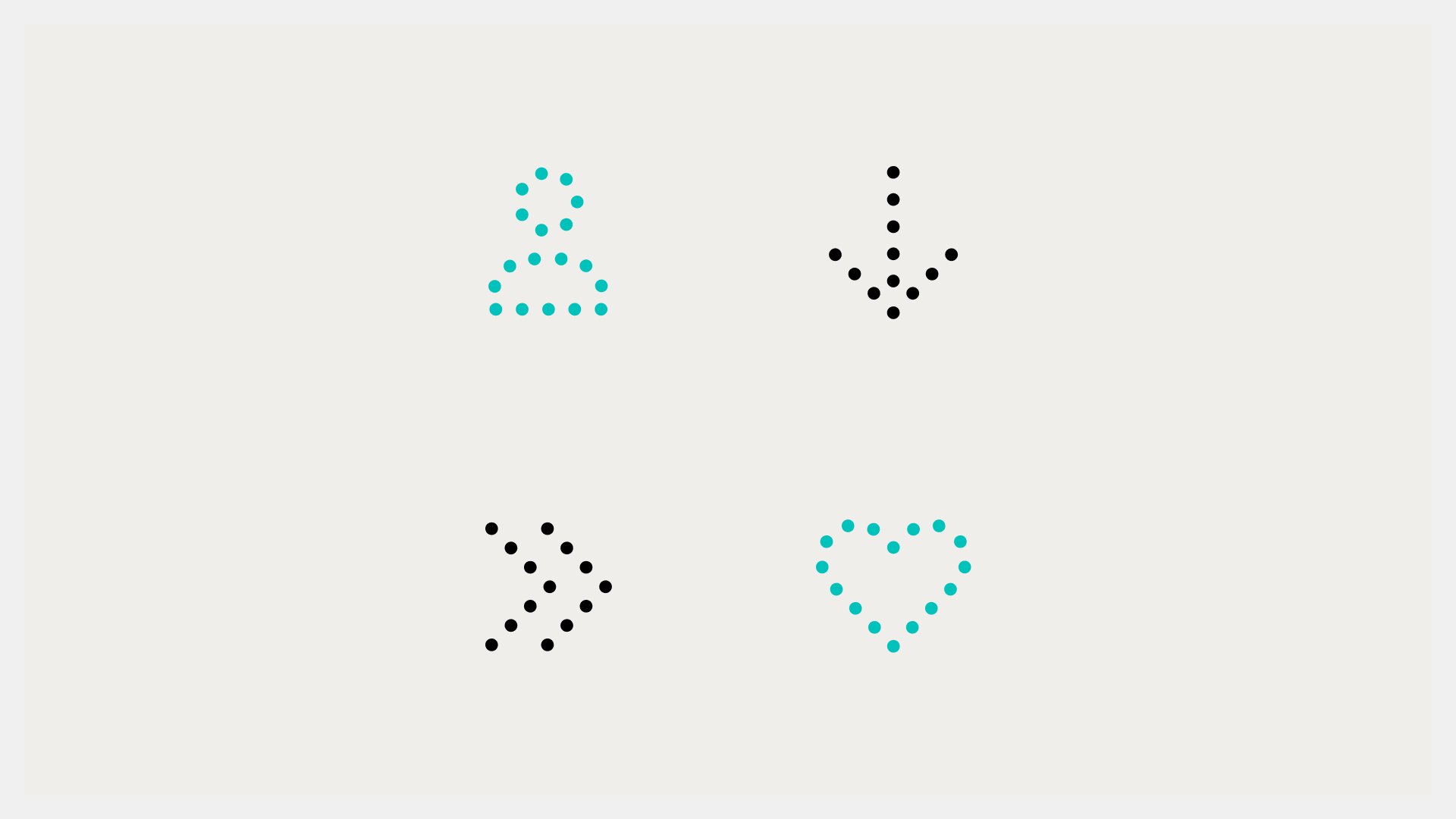
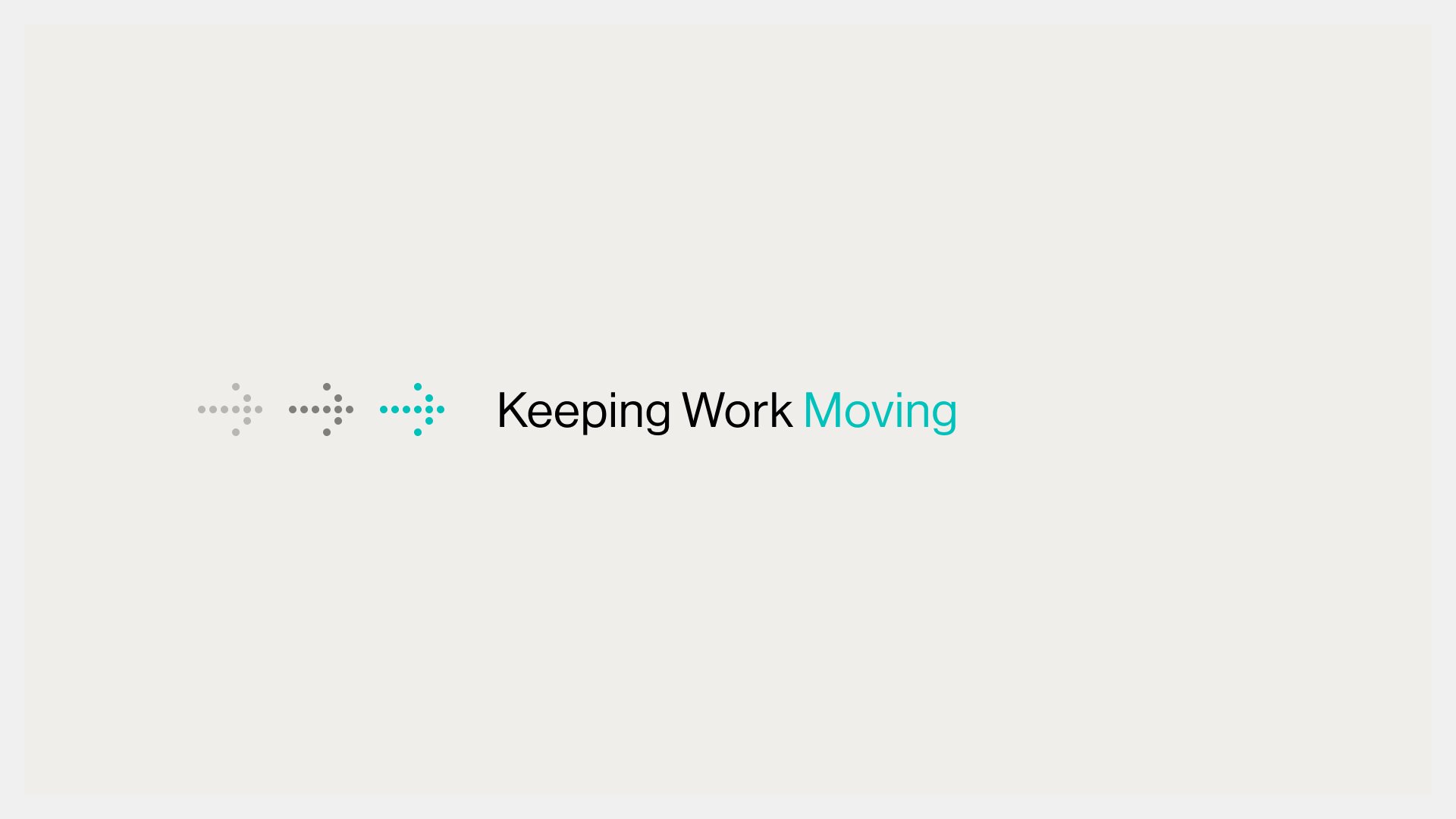
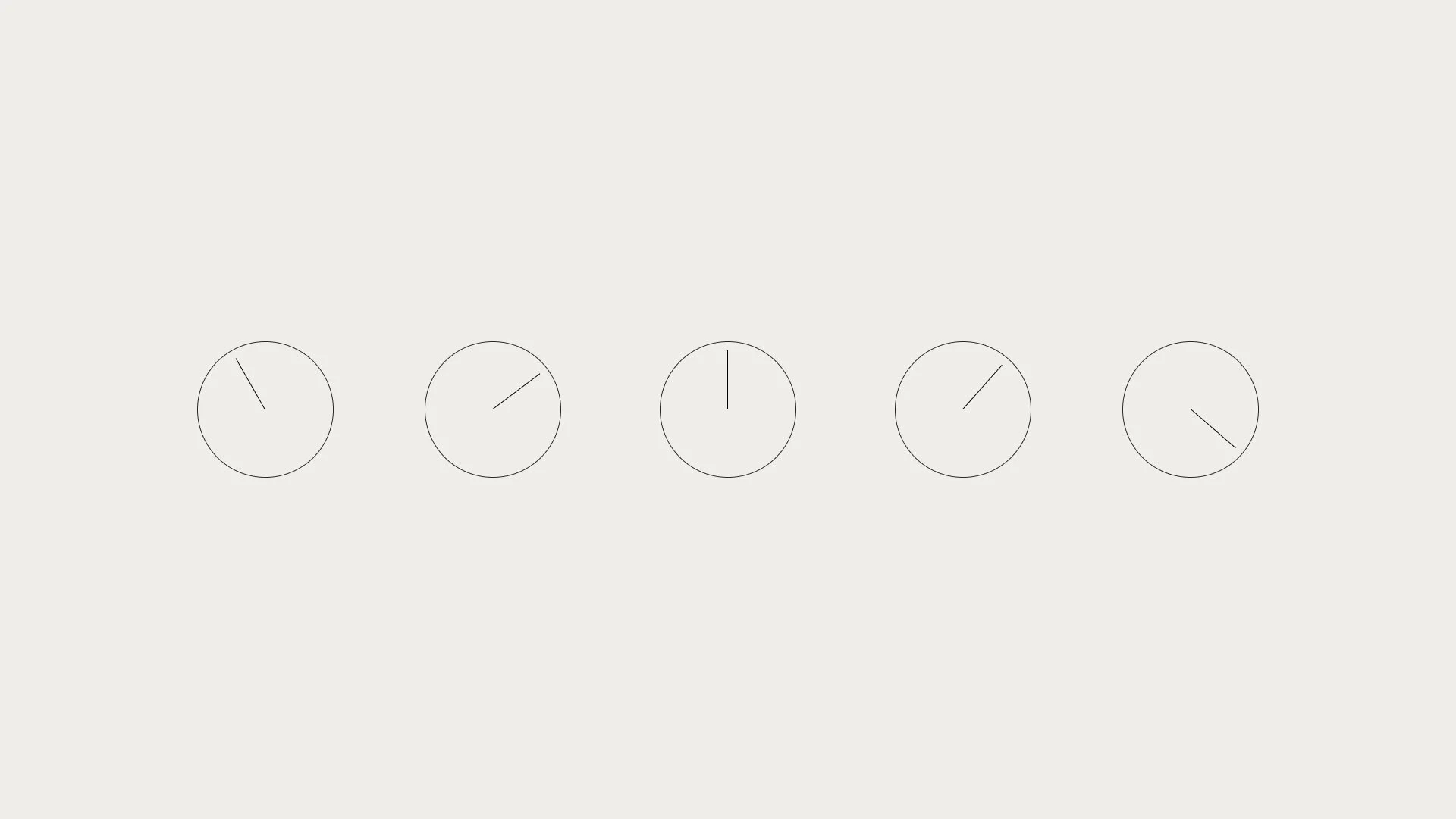
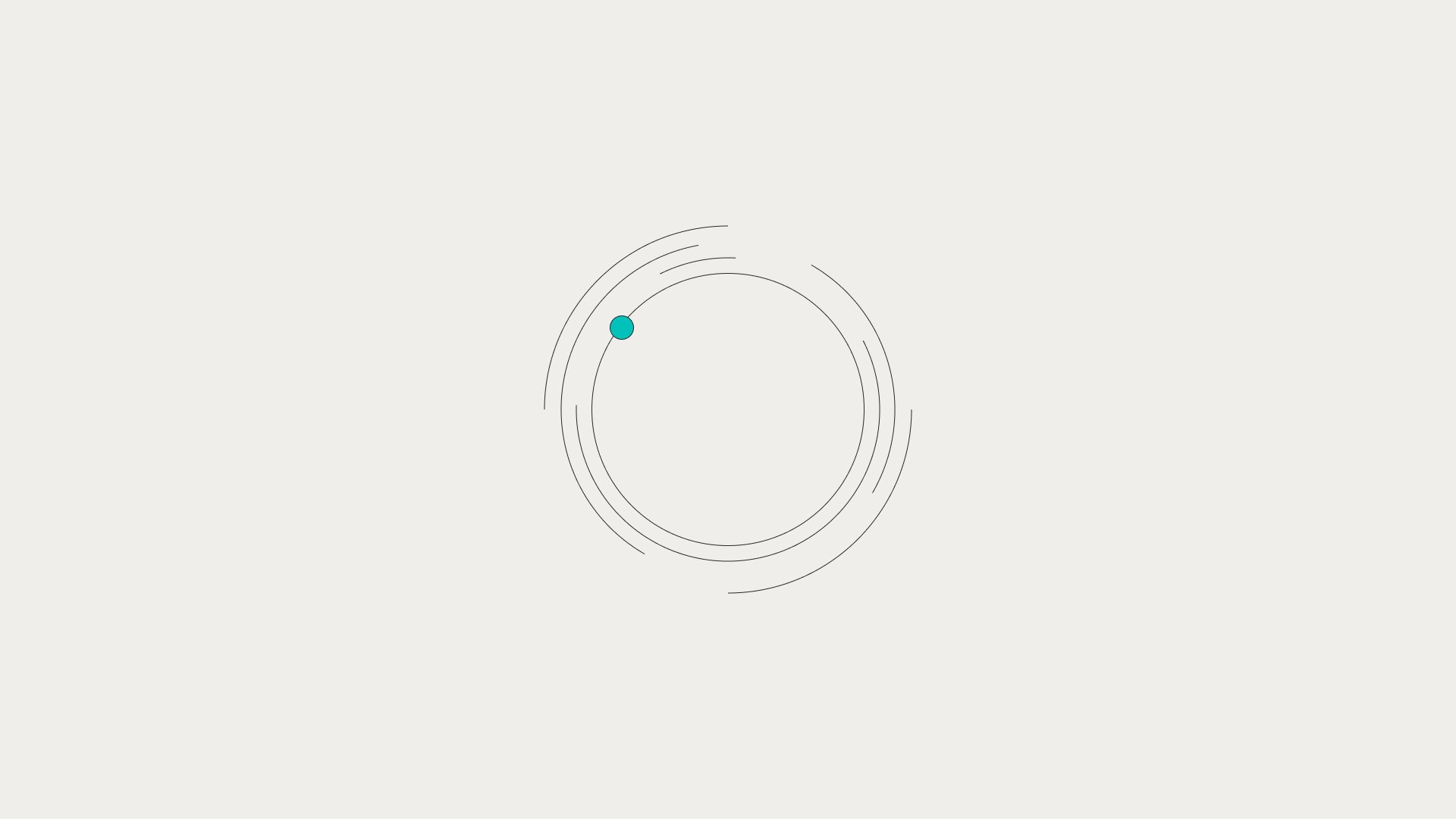
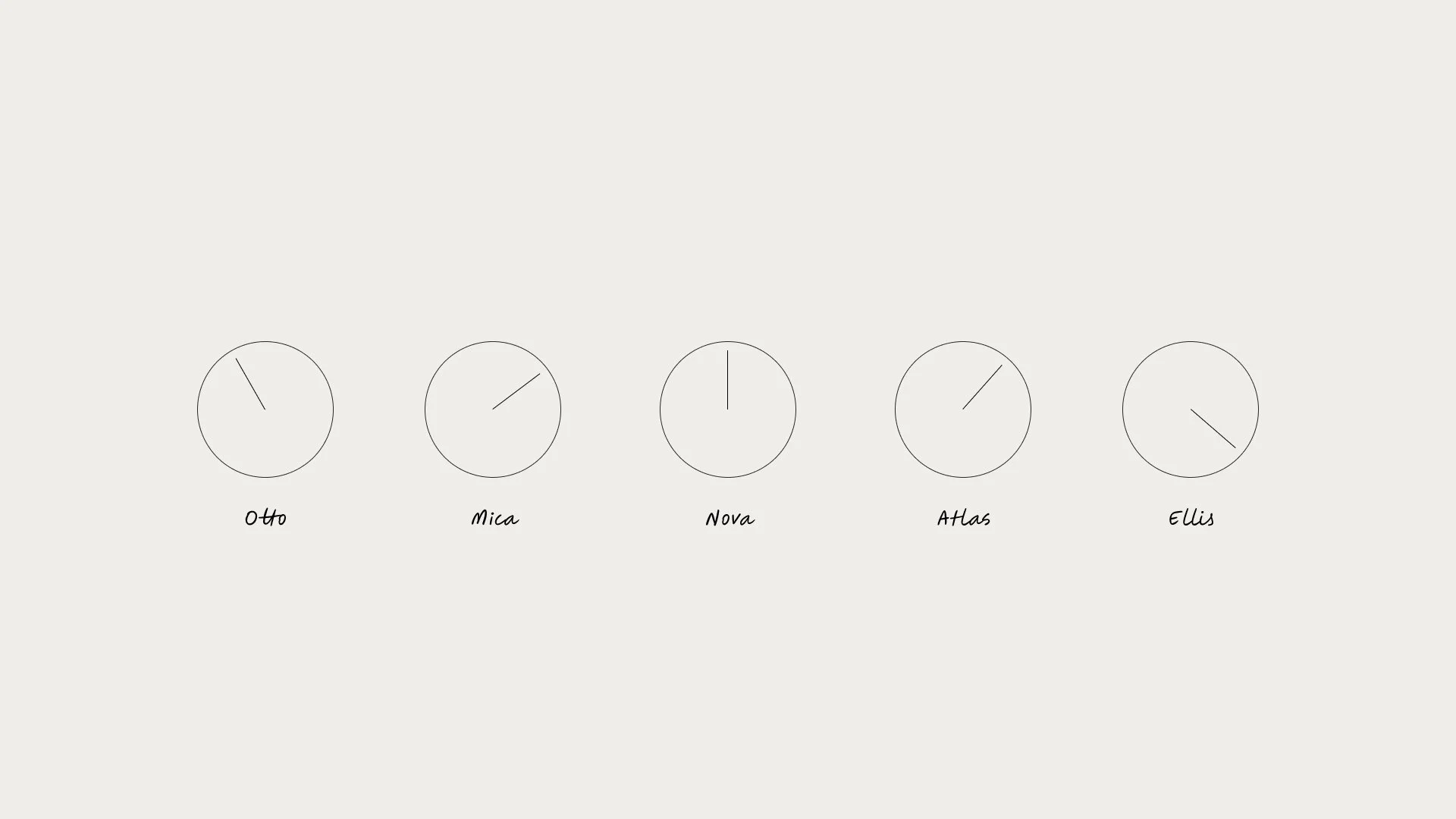
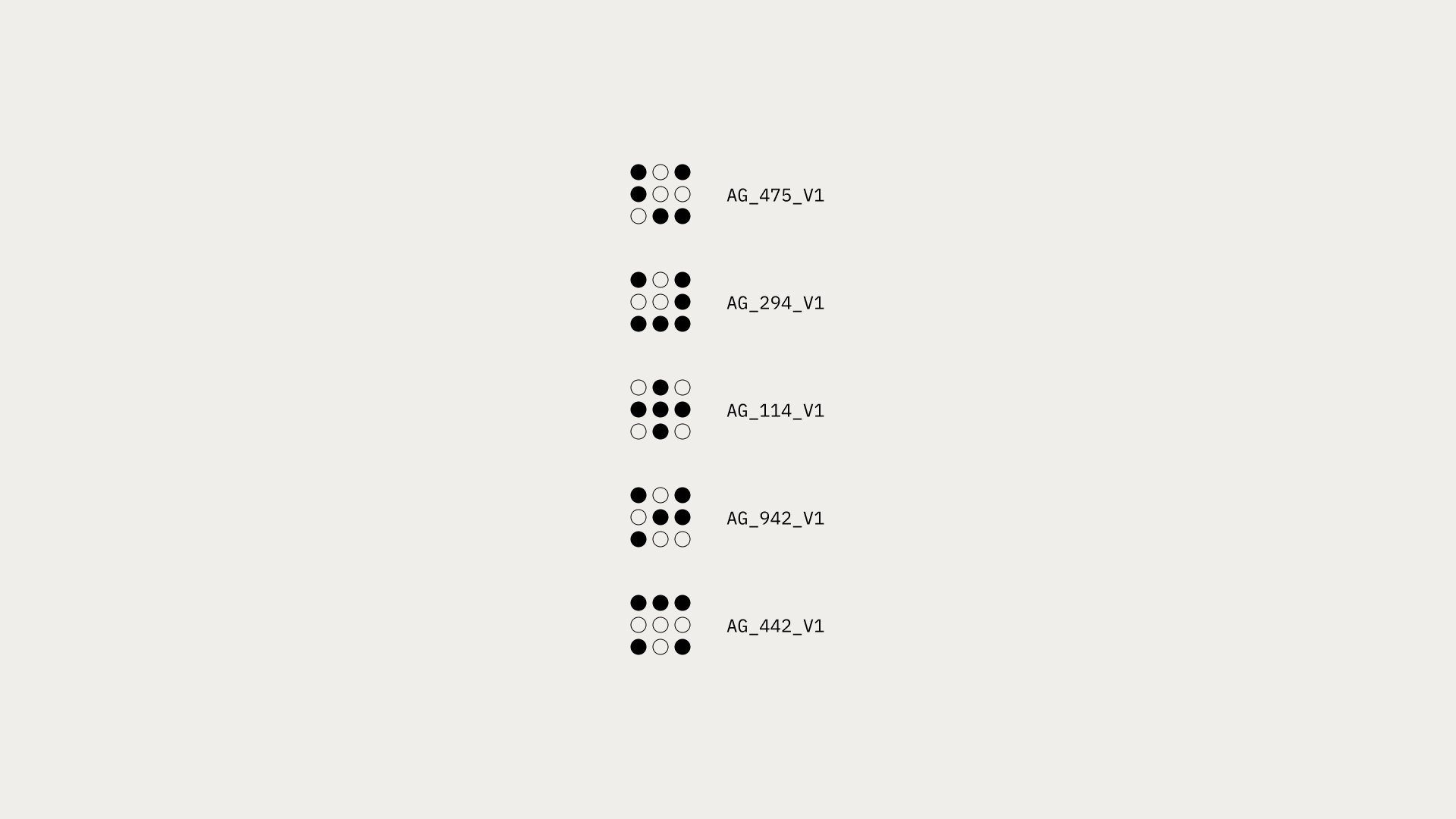
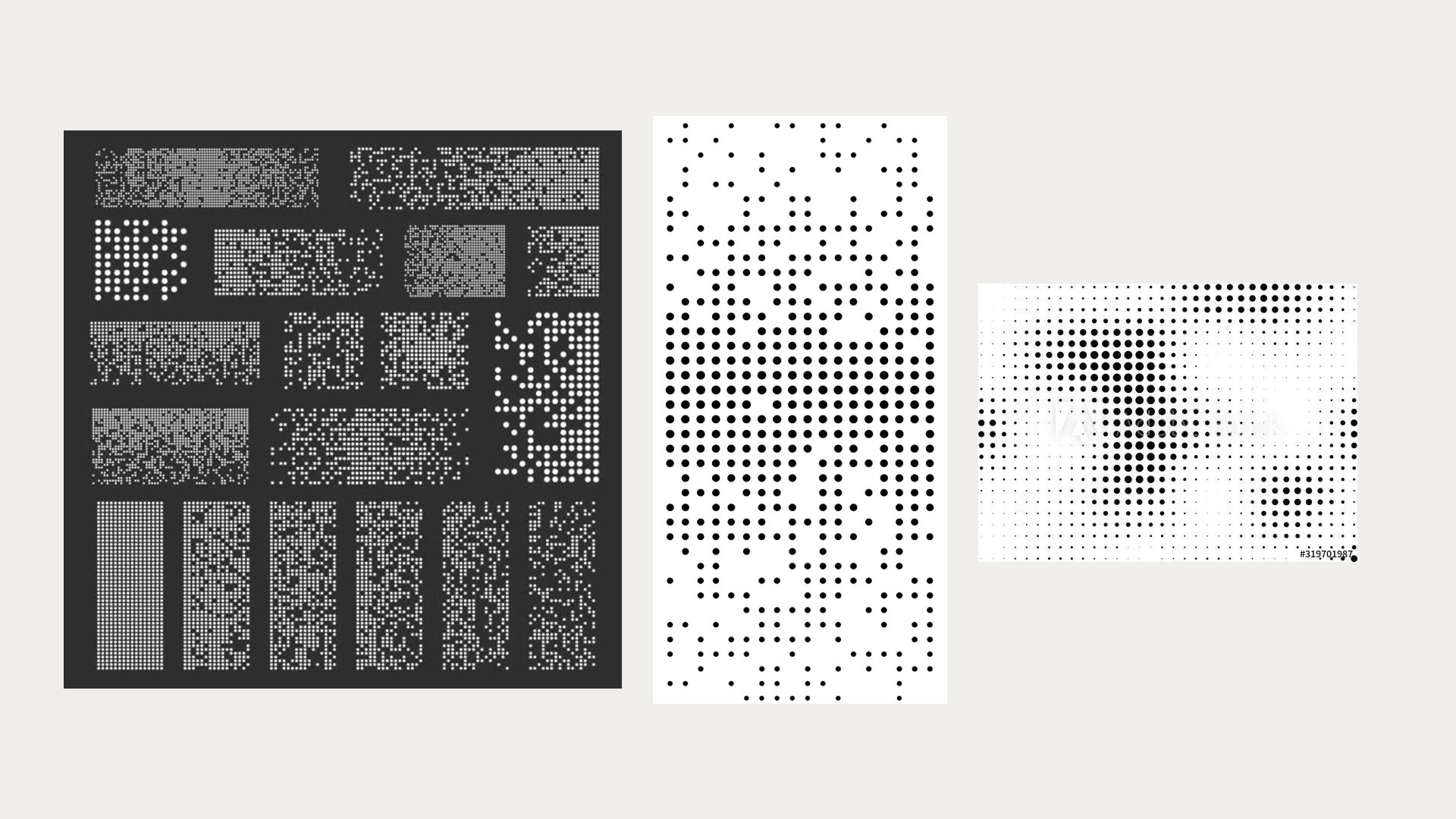
The design started as a kinetic collage: mixed media, film blended with graphics, tactile textures, and grids playing against live footage. Each film began with its own question. How do you show a conversation between machines? How do you show the space between a person and a robot? How do you show intelligence built in layers? As the work developed, the answers kept coming back to the robot. Rather than lay an outside graphic style on top, we reduced everything to the simplest unit Digit already uses to communicate, a single lit dot. From there the system was built by subtraction and repetition. One grid became patterns, icons, type and data. Color was held back so teal only appears when something matters. The same grid could also pass over live footage for a moment and show how the robot reads the world.